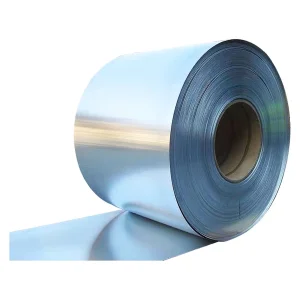
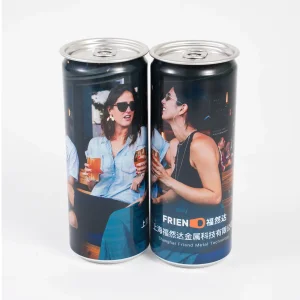
Explore our flagship, food-grade certified, and precision-stamped metal packaging products manufactured under strict ISO 9001 and FSSC 22000 protocols.
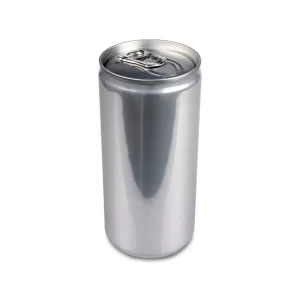
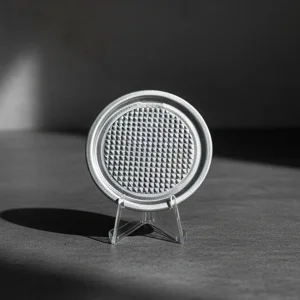
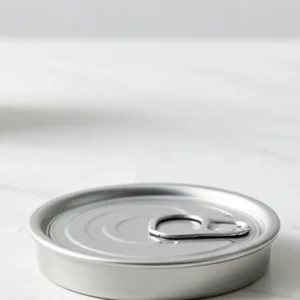
The global commercial packaging landscape is experiencing an unprecedented structural shift. Brands, pharmaceutical manufacturers, and specialty food packagers are aggressively pivoting away from single-use polymers toward Infinitely Recyclable Rigid Metal Containers. Small tin boxes, crafted from prime electrolytic tinplate (ETP) or high-grade aluminum alloys, represent the pinnacle of sustainable, ultra-high barrier packaging.
Modern consumer expectations require packaging that offers superior tactile aesthetics alongside absolute barrier protection against ambient oxygen, moisture vapor, ultraviolet rays, and volatility loss. In sectors such as specialty teas, premium confectionery, pharmaceutical powders, and precision electronics components, the structural failure of a package leads directly to product degradation and brand equity erosion.
Strict environmental mandates globally—including the EU's Packaging and Packaging Waste Regulation (PPWR) and extended producer responsibility (EPR) frameworks—are penalizing non-recyclable multi-layer plastics. Small metal tins provide a circular lifecycle solution with established global scrap recovery streams.
By achieving oxygen transmission rates (OTR) and water vapor transmission rates (WVTR) approaching virtual zero, precision small tin boxes safeguard active botanical ingredients, dry powders, and volatile organic formulations significantly longer than flexible foil pouches.
Sourcing wholesale small tin boxes requires a granular understanding of substrate choices, temper classifications, lacquering chemistries, and closure dynamics. The performance of a custom tin container relies on precise material engineering tailored to its end-use environment.
| Parameter | Electrolytic Tinplate (ETP) | Tin-Free Steel (TFS / ECCS) | Aluminum Alloy (3104 / 5182) |
|---|---|---|---|
| Substrate Thickness | 0.15 mm – 0.35 mm | 0.17 mm – 0.28 mm | 0.18 mm – 0.30 mm |
| Tin Coating Weight | 1.1 / 1.1 to 5.6 / 5.6 g/m² | N/A (Chromium Oxide Coated) | N/A (Anodized / Passivated) |
| Temper Grades | T2, T3, T4, TH610 (DR8) | T3, T4, DR9 | H19, H48, H32 |
| Corrosion Resistance | High (Enhanced with Lacquer) | Moderate (Requires Full Coating) | Exceptional (Oxide Layer) |
| Internal Coatings | BPA-NI Epoxy, Organosol | Phenolic, PET Lamination | BPA-NI Vinyl / Polyorganosol |
| Primary Applications | Mints, Cosmetics, Dry Powders | Deep Drawn Cans, Shallow Caps | EOD Lids, High-Humidity Tins |
To prevent chemical interactions between the tinplate substrate and sensitive formulations, state-of-the-art clear, gold, or organosol internal varnishes are applied via high-speed roller coater units. For specialized pharmaceutical, infant powder, or electronic powder packaging, BPA-Non-Intent (BPA-NI) coatings are mandatory to meet strict FDA 21 CFR 175.300 and EU Regulation 1935/2004 migration limits.
China remains the undisputed global hub for custom metal box fabrication. Sourcing directly from top-tier Chinese manufacturing clusters provides global enterprise buyers with unprecedented scale, competitive total cost of ownership (TCO), and rapid tooling turnaround.
Key manufacturing hubs across Guangdong (Dongguan/Shenzhen), Zhejiang, and Jiangsu provinces connect raw steel rolling mills (Baosteel, Shougang) directly with precision tool-making shops, high-speed offset printers, and automated stamping assembly plants.
Chinese tooling engineers excel at complex die creation, including 3D embossing, debossing, step-lids, micro-hinges, and customized interior dividers. Initial sample lead times are often compressed down to 10–14 days.
High-speed, multi-station automatic punch presses produce over 100 units per minute per line. Coupled with automated visual camera inspection systems, factories achieve high output with strict quality control.
Small metal boxes serve across diverse industrial and commercial sectors. Customizing the box shape (round, rectangular, square, or custom die-cut) alongside closure types (slip lid, hinged lid, screw top, or hermetic easy-open end) ensures optimal functionality.
Procurement executives must look beyond unit piece prices to calculate the Total Cost of Ownership (TCO). Inbound freight efficiency, damage rates during transit, and filling line performance directly impact ultimate margin calculations.
Leading manufacturers employ rigorous Acceptance Quality Limit (AQL) procedures. Automated optical camera inspection units verify print registration, scratch absence, curl dimensions, and seam integrity at operational production speeds.
Small metal boxes can consume excessive container volume if shipped empty without optimization strategies. Leading factories employ nested box designs, customized tray-pallet layouts, and shrink-wrapped dust protection to maximize cube utilization in 40ft HQ containers.
Looking toward the 2025–2030 horizon, the rigid metal packaging sector is undergoing continuous technological evolution focused on sustainability and digital integration.
Advancements in Draw-and-Wall-Ironing (DWI) technologies allow factories to thin the sidewalls of small tins while maintaining column collapse strength. This reduces metal usage by 12–18% per container.
Direct-to-metal high-resolution digital printing permits variable data, anti-counterfeiting QR codes, and embedded NFC tags beneath clear protective lacquers for consumer brand engagement.
Transitioning from traditional solvent-borne lacquers to waterborne, low-VOC curing chemistry significantly reduces the environmental footprint during the coil coating process.
Direct technical answers curated by senior packaging engineers to address critical procurement and manufacturing queries.
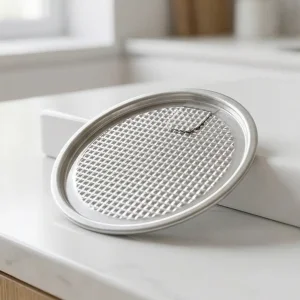
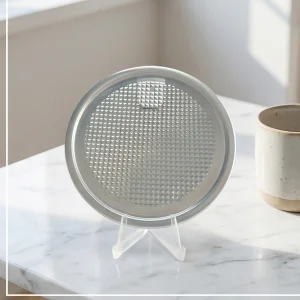
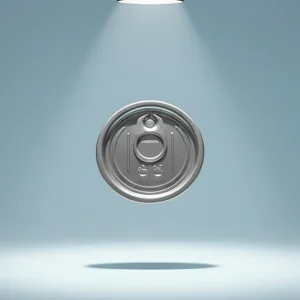
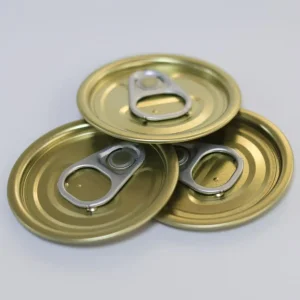
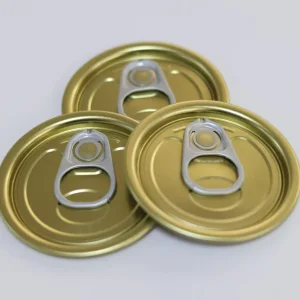
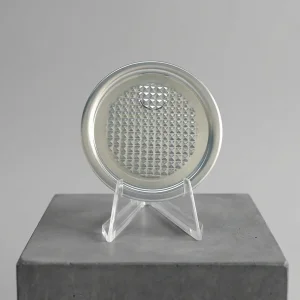
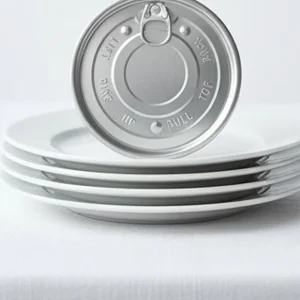
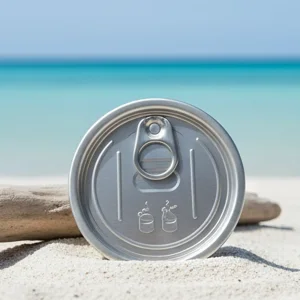
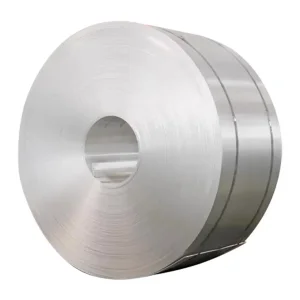
Complementary high-precision easy-open ends, functional powder closures, and premium coil stocks engineered for automated filling lines.