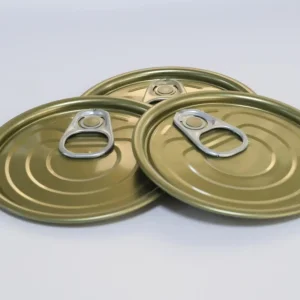
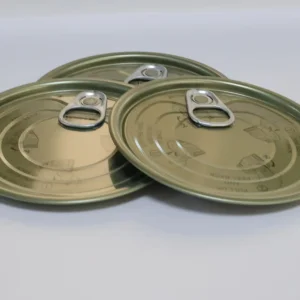
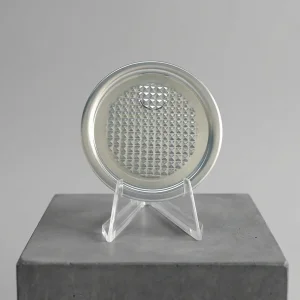
Precision-engineered aluminium cans, easy-open ends (SOT/RPT), non-magnetic lids, and food-grade coils built for global high-speed beverage and powder filling lines.
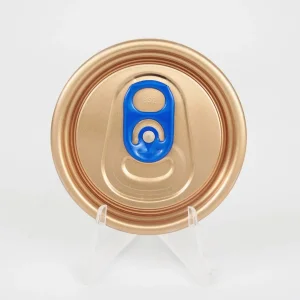
Analyzing the paradigm shift in global beverage packaging towards infinitely recyclable aluminium alloys.
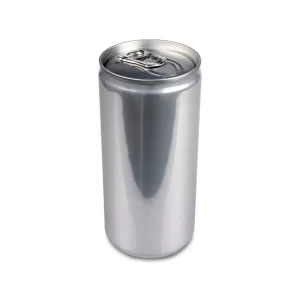
The global rigid packaging industry is undergoing a structural transition driven by decarbonization mandates, consumer preference for sustainable materials, and logistical efficiency. Aluminium Cans have emerged as the absolute benchmark format across non-alcoholic carbonated soft drinks (CSD), craft beer, ready-to-drink (RTD) cocktails, functional energy beverages, and high-value nutritional powders. According to global metallurgical packaging statistics, the global aluminium beverage can market size reached over 420 billion units annually and is projected to expand at a compound annual growth rate (CAGR) of 5.8% through 2032.
Unlike single-use polymers (PET) or heavy glass bottles, aluminium exhibits a closed-loop recycling efficiency that allows spent cans to return to retail shelves as brand-new containers within 60 days. Recycling aluminium consumes 95% less energy than primary smelting from bauxite ore, reducing Scope 3 greenhouse gas emissions for multinational FMCG conglomerates.
Material composition, micro-gauge precision tolerances, and barrier lining science for pressure stability.
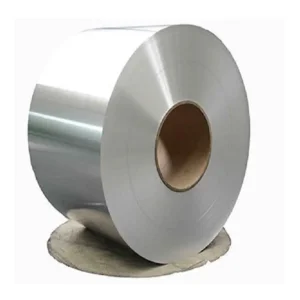
To meet the mechanical requirements of high-speed automated rotary seamers running at speeds over 1,500 cans per minute (CPM), manufacturing must comply with exact metallurgical tolerances. Can bodies are drawn using DWI (Drawn and Wall Ironed) technology from 3104-H19 aluminium coil, while easy-open ends (EOE) utilize high-yield-strength 5182-H48 alloy shell stock coupled with 5052-H19 tab stock.
| Packaging Component | Alloy & Temper | Nominal Thickness Range | Tensile Strength (MPa) | Primary Industrial Purpose |
|---|---|---|---|---|
| Can Body Shell | 3104-H19 / 3004-H19 | 0.240mm – 0.280mm | ≥ 290 MPa | High column load strength & deep drawing ductility |
| SOT / RPT End Shell | 5182-H48 / 5182-H19 | 0.208mm – 0.224mm | ≥ 360 MPa | Carbonation internal pressure resistance (up to 6.2 bar) |
| Pull Tab Mechanism | 5052-H19 / 5052-H38 | 0.330mm – 0.380mm | ≥ 310 MPa | High fracture toughness for repeatable score line popping |
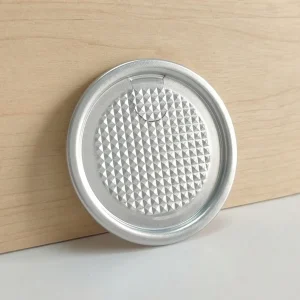
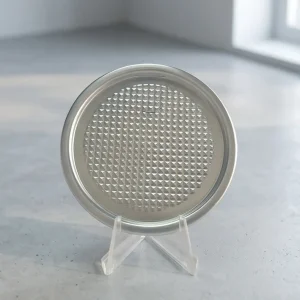
| Powder & Can Lids | 8011-H14 / 3104-H24 | 0.180mm – 0.250mm | ≥ 180 MPa | Hermetic seam sealing, anti-corrosion, non-magnetic use |
Modern aluminium beverage cans incorporate internal protective lacquer barriers to prevent chemical interactions between acidic liquid matrices (phosphoric acid in colas, citric acid in juices, lactic acid in sour beers) and raw metal walls.
Our manufacturing engineering utilizes state-of-the-art BPA-NI (Bisphenol A Non-Intent) modified acrylic and cross-linked polyester interior sprays. Applied with micro-spray nozzles to achieve a consistent dry film weight of 30 to 90 mg/sq.in (depending on beverage aggressiveness), these coatings pass strict Enamel Rater testing (< 2.0 mA electrical current conductivity) to ensure absolute flavor neutrality and multi-year shelf-life stability.
How integrated industrial ecosystems in China deliver cost efficiency, scalability, and quality assurance.
China operates the world's most concentrated aluminum processing supply chain. From primary electrolytic aluminum refining and hot-rolling of 3104/5182 master coils to automated continuous lacquering lines, lead times are compressed by up to 60% compared to fragmented Western supply chains.
Utilizing high-speed conversion presses from Minster and Stolle operating at over 2,200 ends per minute per line, Chinese factories achieve economies of scale that provide global buyers with highly competitive unit costs without compromising dimensional consistency.
Every single easy-open end and can neck passes through online high-resolution optical inspection systems. Automated machine-vision cameras detect micro-scratches, tab misalignments, score-line depth variances, and compound lining voids at line speeds, ensuring zero-defect shipping.
Tailored packaging configurations for specialized ambient, hot-fill, retort, and coastal storage conditions.
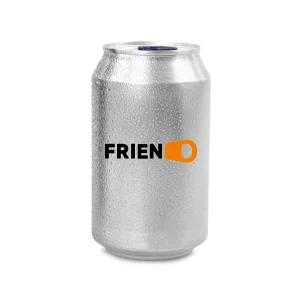
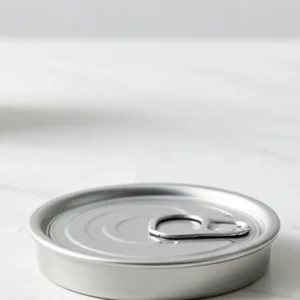
Requires 202# SOT (Stay-On Tab) ends designed for internal pressures reaching 90 psi (6.2 bar). Internal lacquer formulations are tailored to withstand pasteurization heat tunnels (up to 65°C for 20 minutes) without liner blistering or flavor leaching.
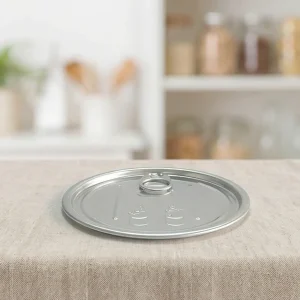
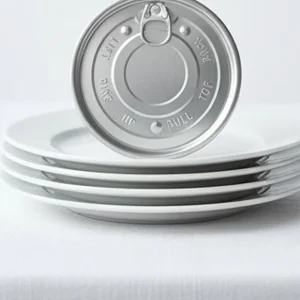
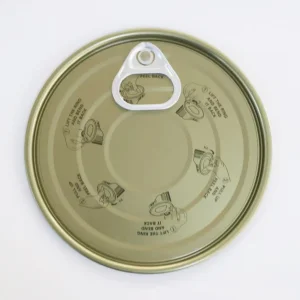
Employs 300#, 401#, and 502# large-diameter easy-open lids with optional transparent window panels or non-magnetic aluminum liners. Engineered for zero oxygen transmission rates (OTR < 0.5 cc/m²/day) to prevent fatty-acid oxidation in milk powders.
Utilizes custom rust-proof 401# aluminum lids treated with hydrophobic external clear varnishes. Specifically designed to prevent edge oxidation and flange corrosion in humid tropical or coastal transit ports during ocean freight.
Employs 307# and 603# tinplate or heavy-duty aluminum lids coated with organosol lacquers capable of surviving high-pressure thermal processing at 121°C to 130°C for 45 minutes without seal degradation.
Engineering guidelines for seamless integration with Ferrum, Angelus, and Continental filling equipment.
For enterprise purchasing directors, acquiring aluminium cans and lids is not merely a transaction—it requires matching mechanical tolerances with rotary double-seaming machinery. Incompatible curl profiles or countersink depth variances can cause seam micro-leaks, flange crushing, or chuck slipping during line operations.
Aluminium packaging components are vulnerable to galvanic corrosion and mechanical deformation if improperly packed for ocean freight. Our standard export packing includes:
Technological developments reshaping the global metal container landscape over the next decade.
Advanced cold-rolling technologies allow reduce can wall thicknesses down to 0.095mm while maintaining column collapse resistance above 85 kgf. This reduces aluminum consumption per can by up to 8%.
As regulatory mandates tighten across North America and the European Union, coating technology is migrating toward 100% plant-derived polyester coatings free from fluorinated compounds and endocrine disruptors.
High-resolution digital ink-jet direct printing enables craft beverage brands to run short-batch, highly variable artwork releases without traditional offset printing plate costs or minimum run limits.
Engineering answers to common questions asked by B2B packaging buyers and quality managers.
Can bodies are manufactured from 3104-H19 aluminum coil for high structural ductility; easy-open end shells utilize 5182-H48 or 5182-H19 alloy for pop strength; pull tabs are stamped from 5052-H19 alloy; and general packaging stock coils utilize 8011-H14 or 3104 tempers depending on corrosion resistance and deep-drawing needs.
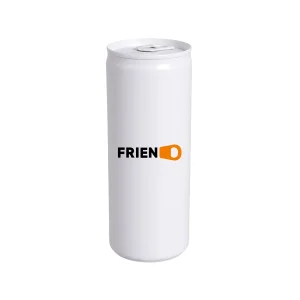
Plain bright cans start at one 20ft container load (~150,000 units depending on size). Fully custom-decorated cans printed via 6-to-8 color dry offset typically start at 100,000 to 300,000 units per artwork SKU. Standard easy-open ends (202# SOT / 200# RPT / 300# / 401#) held in standard stock can be ordered in quantities starting from 100,000 pieces.
Our interior coatings are certified BPA-NI (Non-Intent) and comply with US FDA 21 CFR 175.300, European Union Regulation EU 1935/2004, and Chinese National Standard GB 4806.10. Each production batch undergoes overall migration testing, heavy metal screening (RoHS/REACH), and enamel rater electrical resistance checks.
Yes. We supply technical engineering drawings detailing countersink depth, flange angle, and lid curl profiles. Buyers can send their specific seaming chuck and roll profiles (e.g., Ferrum, Angelus, Pneumatic Scale) for pre-shipment compatibility validation, along with sample lots for double-seam teardown evaluation.
Rust-proof 401# lids incorporate modified aluminum-manganese alloys with double-coated external clear varnish tested to resist salt-spray fog testing for up to 96 hours. Transparent window lids feature high-clarity heat-sealed PET film membranes that provide full product visibility while preserving hermetic nitrogen retention for dry milk powders.
Explore our complete range of specialized powder packaging lids, high-strength aluminum coils, and standard 330ml beverage cans.