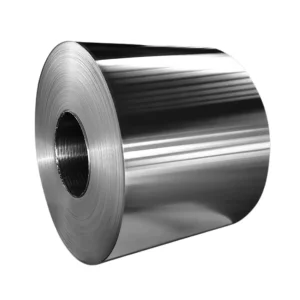
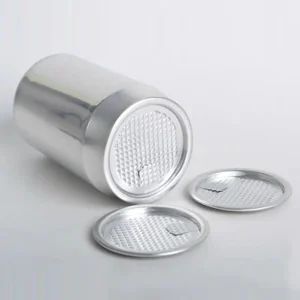
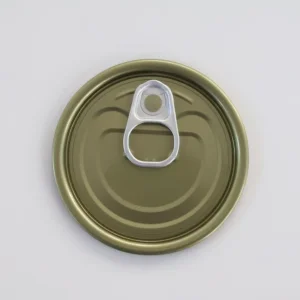
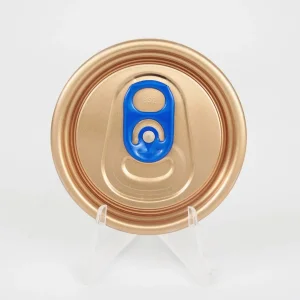
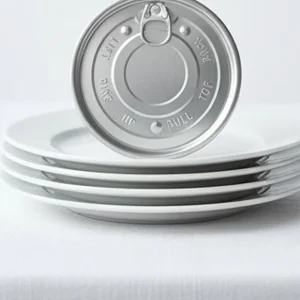
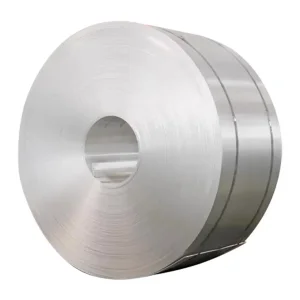
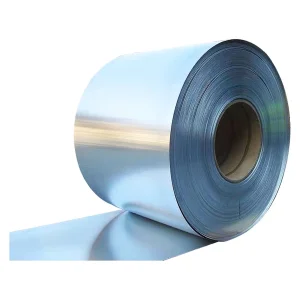
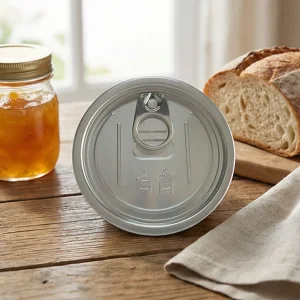
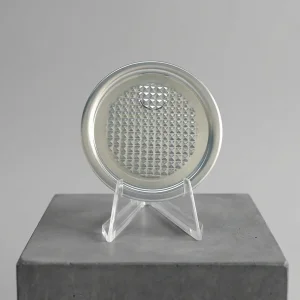
High-precision tinplate lids, aluminum coils, and easy-open closures engineered for high-speed automated assembly lines.
An authoritative evaluation of international demand, material science, and supply chain dynamics driving the industrial metal packaging sector.
The global coatings and chemical packaging sectors are undergoing a massive technological shift. Industrial coatings, solvent-borne paints, automotive refinishes, and wood varnishes require extreme chemical resistance and airtight barrier properties that plastic containers simply cannot match over extended shelf lives. Metal paint tins, constructed from prime electrolytic tinplate (ETP) or tin-free steel (TFS), provide an absolute zero-permeability barrier against oxygen, UV light, moisture, and volatile organic compound (VOC) migration.
As international environmental regulations tighten regarding plastic waste and microplastic contamination, paint tin manufacturers are experiencing accelerated global demand. Major paint brands across North America, Europe, and Asia-Pacific are transitioning back to metal packaging solutions due to steel's infinite recyclability, structural robustness during long-distance multimodal logistics, and superior stackability in high-density warehousing environments.
In-depth technical breakdown of temper grades, lining lacquers, and double-seam tolerances required for solvent-based and water-borne coatings.
Failure in paint tin performance almost always originates from incorrect lacquer selection. Water-based acrylic and latex paints contain moisture and corrosive surfactants that induce rust pinholes along welded seams if unlined or improperly lacquered. Conversely, aggressive solvents such as xylene, toluene, and methyl ethyl ketone (MEK) require high-bake epoxy-phenolic or organosol coatings to prevent chemical stripping and formulation contamination.
| Metal Component | Material Grade / Alloy | Thickness Range | Internal Lining / Coating | Target Industrial Application |
|---|---|---|---|---|
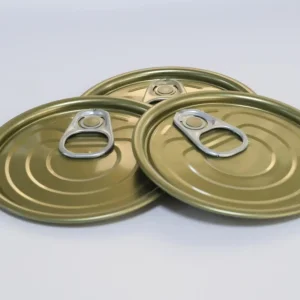
| Triple-Tite Paint Tin Lids | ETP (Electrolytic Tinplate) TH570 / T3 | 0.21 mm - 0.28 mm | Gold Epoxy Phenolic / Clear Varnish | Architectural Latex, Stains, Oil Enamels |
| Conical Paint Can Bodies | Prime Steel ETP ET2.8/2.8 g/m² | 0.23 mm - 0.32 mm | Plain Bright / Water-based Organosol | Industrial Solvents, Adhesives, Primers |
| Aluminum Easy-Open Ends | Alloy 5182-H48 / 5052-H32 | 0.22 mm - 0.26 mm | BPA-NI Epoxy / Polyorganosol | Specialty Chemicals, Powdered Pigments |
| Heavy-Duty Lever Ring Cans | Cold-Rolled Steel / TFS | 0.28 mm - 0.38 mm | Phenolic / Heavy Duty Polyester | 2K Epoxy Hardeners, Marine Coatings |
Designed with three precision contact points between the lid rim and the container ring. Prevents skinning, maintains internal seal integrity during thermal expansion, and allows easy reclosing by end-users.
Utilizes state-of-the-art wire welding technology to produce zero-copper-contamination longitudinal seams. Ensures maximum burst pressure safety and structural rigidity during stacking.
Automated liquid compound lining along lid curls. Uses synthetic rubber or water-based sealant compounds to eliminate micro-leaks under vibration during ocean freight shipping.
How integrated steel supply chains, high-speed automated press lines, and rigorous quality control deliver unmatched value to global OEM/ODM procurement teams.
Direct supply partnerships with tier-one steel mills (Baosteel, Shougang) grant immediate access to prime raw coils with tight thickness tolerances (±0.005mm). Bulk coil purchasing reduces baseline raw material costs while guaranteeing consistent temper and metallurgical cleanliness.
Modern Chinese stamping facilities operate multi-die automated presses running at speeds exceeding 600 ends per minute per line. Integrated AI optical cameras inspect 100% of finished ends for pinholes, edge burrs, and lacquer scratches in real time.
Every production lot undergoes stringent QA testing: MEK solvent double-rub tests for lacquer cure, axial load stacking tests, double-seam teardown dimensional analysis, and salt spray exposure tests (ASTM B117) exceeding 96 hours without corrosion.
tailored packaging configurations meeting regional chemical regulations, climate demands, and consumer usage habits.
Popular in North America and Western Europe. Focuses on 1-Litre, 1-Gallon, and 5-Gallon Triple-Tite cans featuring plastic handle assemblies or steel bail handles. Requires smooth-edge safety rims and easy re-sealing characteristics for residential users.
Demands precise volumetric measurements and solvent-proof linings. Conical open-top cans with lever-arch locking rings are preferred for fast mixing of 2K polyurethane coatings, clears, and hardeners in body shops across Japan, Korea, and Latin America.
Operates under extreme ambient humidity and salt atmosphere in coastal regions (Middle East, Southeast Asia). Relies on heavy-gauge tinplate (0.28mm+) with double-coated external varnish and reinforced bottom double seams to prevent transit leakages.
Addressing the core concerns of B2B procurement managers: containerization efficiency, transit protection, and international compliance certification.
Ocean freight routes crossing tropical zones present severe condensation risks (container sweat). All wholesale paint tins, lids, and coils are packed on heat-treated ISPM-15 wooden or plastic pallets, enveloped in VCI (Vapor Corrosion Inhibitor) stretch film, and loaded with heavy-duty desiccant bags to prevent surface oxidation upon arrival.
For chemical manufacturers exporting hazardous solvents, paints, or flammables, metal packaging must meet UN Certification standards (UN 1A1 for tight-head or UN 1A2 for open-head steel drums/tins). Products undergo drop testing, hydraulic pressure testing, and stack testing to secure certified UN markings stamped directly into the bottom profile.
Clear, direct technical answers regarding MOQ, custom tooling, coating compliance, and lead times.
Complete material solutions for industrial can makers and lid stammers worldwide.
Connect directly with our engineering and procurement team for custom die tooling specifications, sample kit requests, or competitive FCL ocean freight quotes.