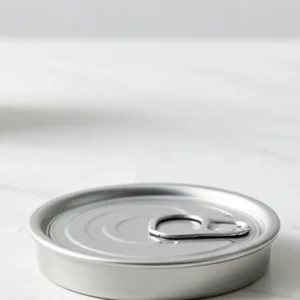
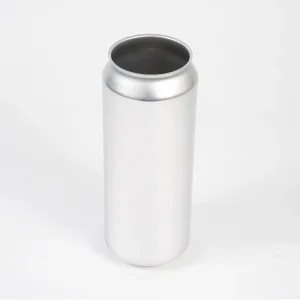
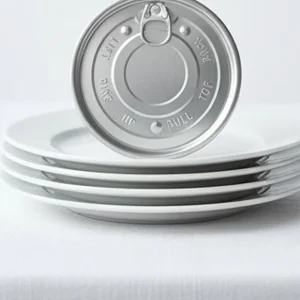
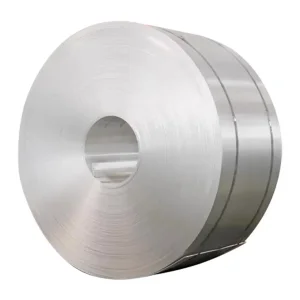
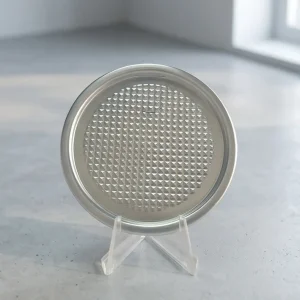
Engineered high-barrier aluminum cans and precision easy-open ends tested for low oxygen permeability, pressure integrity, and high-speed filling line compatibility.
An In-Depth Macro Analysis of Metal Packaging Engineering, Material Science, and Barrier Superiority in the Specialty Coffee Industry
The global coffee market is undergoing a seismic paradigm shift. As specialty whole-bean roasters, instant freeze-dried coffee innovator brands, and ready-to-drink (RTD) cold brew producers expand globally, the demand for high-barrier primary packaging has reached an all-time high. Search intent for high-quality coffee tin manufacturers, products, and direct suppliers reflects a sophisticated commercial buyer seeking precise metallurgical standards, strict oxygen barrier guarantees, and high-speed canning line automation.
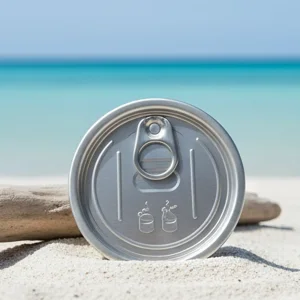
Unlike flexible laminate pouches, rigid tinplate (ETP / TFS) and aluminum containers offer structural resistance to physical crushing during cross-border freight, complete light blockage (UV and visible spectrum defense), and zero Oxygen Transmission Rate (OTR). In specialty roasting, freshly roasted coffee beans outgas significant volumes of carbon dioxide ($CO_2$) while remaining extremely vulnerable to oxidation from headspace ambient oxygen ($O_2$). Leading global coffee tin manufacturers engineered hybrid solutions combining deep-drawn tinplate bodies with one-way degassing valves and hermetically sealed aluminum easy-open ends (EOE).
Absolute zero oxygen transmission protecting volatile coffee lipids from rancidity.
Circular economy compliance aligned with EU Packaging and Packaging Waste Regulation (PPWR).
Engineered internal pressure rating for nitrogen-flushed RTD cold brew and bean degassing.
FDA 21 CFR 175.300 & EU 1935/2004 organosol-coated interiors preventing flavor distortion.
From an industrial manufacturing perspective, China's metal packaging clusters—concentrated in advanced manufacturing zones like Shanghai, Jiangsu, and Zhejiang—have evolved from high-volume commodity stamping into high-precision, automated cleanroom fabrication. Modern factories utilize high-speed multi-die presses running at speeds over 1,200 ends per minute, paired with vision-guided micro-defect inspection systems. For coffee brands and commercial co-packers, sourcing directly from audited, food-grade certified manufacturers guarantees rigorous batch-to-batch seam dimensional stability, protecting brand equity across distant retail supply chains.
Comparative Analysis of Primary Metal Packaging Substrates and End Closures for Commercial Coffee Applications
| Packaging Substrate / Specs | Primary Material Alloy & Temper | Barrier Performance (OTR & MVTR) | Degassing & Pressure Adaptability | Typical Industrial Coffee Target |
|---|---|---|---|---|
| Three-Piece Tinplate Coffee Can | ETP (Electro-Tinplate) / TFS, Temper TH435 / DR8 | Absolute Zero (OTR < 0.0001 cc/m²/day) | Integrates 1-Way Degassing Valve & Top Peel-Off / EOE Lid | Whole Bean Specialty Coffee (250g, 500g, 1kg), Premium Ground Espresso |
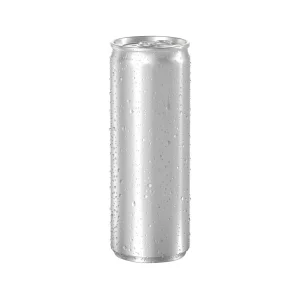
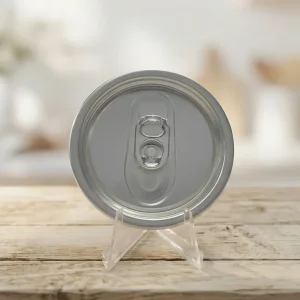
| Two-Piece Slim / Sleek Aluminum Can | 3104-H19 Can Body / 5182-H48 End Shell | Absolute Hermetic Sealing | Withstands high internal liquid pressure ($N_2$ liquid dosing) | RTD Cold Brew, Nitro Coffee, Coffee Lattes, Concentrated Coffee Shots |
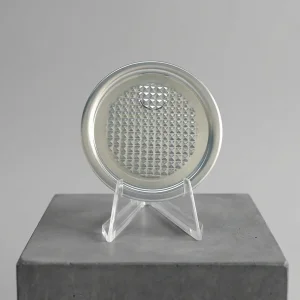
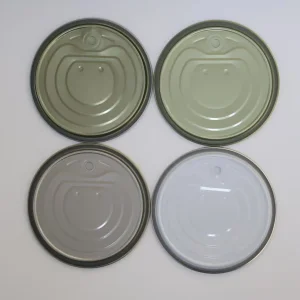
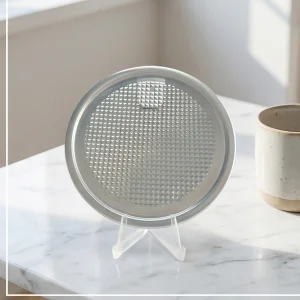
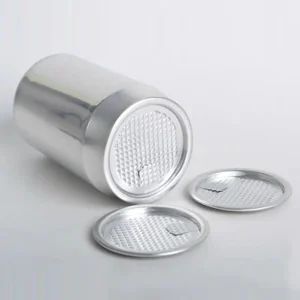
| Powder-Grade Easy-Open End (EOE) | Aluminum Alloy 5182 / 8011 Foil Membrane | Ultra-Low Moisture Transmission (< 0.001 g/m²/day) | Equipped with score lines for smooth, burst-free consumer opening | Freeze-Dried Instant Coffee Crystals, Micro-ground Coffee Powder, Creamers |
| Anti-Static & Non-Magnetic Lids | Specialty Lacquered High-Grade Aluminum 5052/8011 | Hermetic Environmental Isolation | Anti-static internal liner prevents powder particle static adhesion | Ultra-Fine Specialty Espresso Powders, Clinical Nutritional Coffee Blends |
Selecting the precise metal substrate requires evaluating chemical compatibility between the inner coating and coffee compounds. Fresh coffee contains volatile organic acids, fatty lipids, and moisture residue. Uncoated tinplate exposed to acidic humidity can undergo micro-corrosion. Therefore, industrial manufacturers apply advanced BPA-Non-Intent (BPA-NI) organosols, epoxy-phenolic resins, or water-based acrylic coatings applied via high-speed coil coating lines prior to deep drawing or three-piece body rolling.
How Next-Gen Engineering, AI Defect Analytics, and Decarbonized Metallurgy Are Transforming Metal Coffee Containers
Implementation of 100% inline optoelectronic micro-pinhole detection, high-resolution AI vision scrap scanners, and digital double-seam teardown analyzers. Every individual coffee tin lid and body is scanned at 1,500 units per minute for flange deformation, score-line depth consistency, and coating porosity, reducing factory defect rates to under 0.5 PPM (Parts Per Million).
Through advanced computer-aided FEA engineering, manufacturers are reducing tinplate wall thickness from 0.20mm to 0.16mm while optimizing sidewall beaded profiles (ring embossing) to maintain vertical column crush resistance over 1,500 Newtons. This drastically lowers raw material usage and ocean freight carbon emissions without compromising stack stability during transport.
Integration of laser-etched high-density matrix QR codes under easy-open tabs for direct-to-consumer digital engagement and supply chain origin traceability from farm to cup. Adoption of 100% green-energy smelted aluminum coils ($3104 / 5182$) and closed-loop scrap recovery programs, ensuring zero net-embodied carbon in primary coffee containers.
Customized OEM Packaging Architectural Frameworks Designed for Diverse Global Market Demands
High-end roasters prioritize tactile consumer aesthetics and fresh bean preservation. Turnkey solutions feature matte-finish painted tin cans with recessed bases for retail stacking, fitted with one-way degassing valves and food-grade peel-off aluminum foil ends (SOT/RPT). Ideal for 250g artisanal whole bean releases.
Rapid growth in urban centers (Japan, Korea, China) drives demand for 200ml to 355ml slim and sleek aluminum cans filled on ultra-high-speed sterile lines. Features internal pressure capability to support liquid nitrogen dosing, creating a rich micro-foam head upon opening for nitro cold brew drinks.
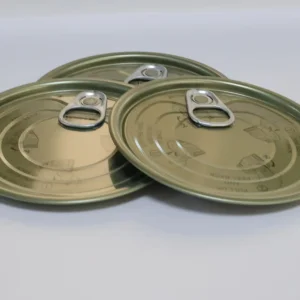
Hot, humid climate conditions require extreme moisture vapor barriers. Industrial solutions focus on 401# (99mm) and 502# (127mm) wide-mouth tinplate drums equipped with transparent window lids or heavy-duty aluminum easy-open ends, providing airtight protection over a 24-month shelf life.
Top-tier coffee tin manufacturers do not simply deliver empty metal cans; they supply complete engineering support. From pre-press high-definition 8-color metal lithography printing (CMYK + Spot Gloss/Matte Varnishes) to precision coil slitting, deep draw body forming, valve ultrasonic welding, and double-seam teardown inspection at the customer's filling site, full-funnel OEM partners lower commercial risks and guarantee continuous operational efficiency.
Expert Packaging Engineers Address Critical Purchasing, Quality Control, and Operational Compatibility Queries
Explore Our Precision-Manufactured Product Catalog Designed for High-Barrier Food, Beverage, and Powder Packaging Applications.