Direct supply from ISO 9001 and FSSC 22000 certified manufacturing hubs in China, supporting high-speed beverage filling lines and precision food processing environments worldwide.
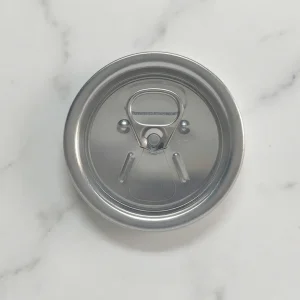
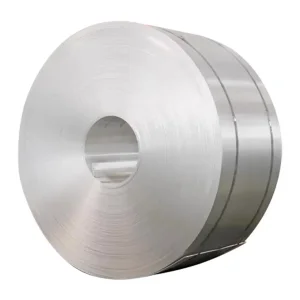
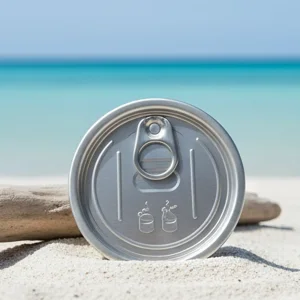
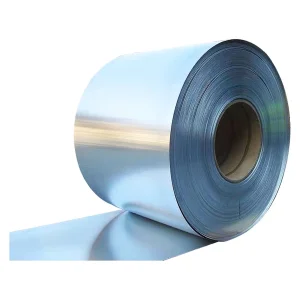
How advances in metallurgical coil preparation, high-speed conversion presses, and strict barrier chemistry have established China as the benchmark hub for Easy Open Ends (EOE) and rigid container manufacturing.
Key Takeaway for Procurement Directors: Modern metal packaging procurement is no longer merely a commodity purchasing function; it is a critical engineering partnership. The performance of an Easy Open End (EOE)—measured in pop force, pull force, buckle resistance, and double-seam integrity—directly dictates filling line efficiency, transport survival rates, and shelf-life stability across global distribution networks.
Over the past two decades, China’s industrial metal packaging sector has undergone a profound transformation. Moving beyond volume-driven manufacturing, Chinese facilities now integrate ultra-precision stamping presses (such as Minster and Stolle systems), automated vision inspection sensors, and advanced chemical coil coating lines. This integration ensures that every batch of 200#, 202#, 300#, 307#, 401#, and 502# ends complies strictly with global standards including FDA 21 CFR 175.300, EU Regulation 1935/2004, and local food safety directives.
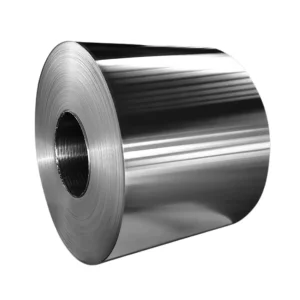
By establishing unified supply chains that span from raw ingot smelting and alloy coil cold-rolling (Alloys 3104, 5182, 8011, 5052) to lacquered conversion and direct container freight handling, Chinese suppliers offer an unmatched balance of metallurgical consistency, technical customization, and cost-effective scaling.
Delivering structural integrity, precise score residual depth control, and superior lacquer adhesion across extreme operational thresholds.
High-speed conversion lines utilize H48 temper 5182 aluminum coil for end shells and 5052 alloy for pull tabs. Strict cold-rolling tolerances preserve precise grain orientation, enabling high buckle resistance (up to 6.2 bar) while allowing lightweight down-gauging.
To meet international chemical compliance standards (EU, US FDA, Japanese MHLW), automated coil-coating lines apply BPA-Non-Intent (BPA-NI) acrylic, modified polyester, and organosol linings. These systems maintain electrical conductivity readings below 0.05 mA across high-acid energy drinks and craft beers.
In-line high-resolution vision systems inspect 100% of manufactured ends at speeds exceeding 3,000 parts per minute. Cameras detect micro-pinholes, tab alignment defects, curling flaws, and compound sealant distribution errors prior to automatic sleeve packing.
| Component / Size | Alloy & Temper | Substrate Thickness | Internal Lining / Coating | Primary Application Target |
|---|---|---|---|---|
| 200# / 202# SOT & RPT Ends | AA 5182-H48 (Shell) / 5052 (Tab) | 0.210 mm - 0.240 mm | BPA-NI Water-based Epoxy / Modified Acrylic | Carbonated Soft Drinks, Beer, Hard Seltzers, RTD Teas |
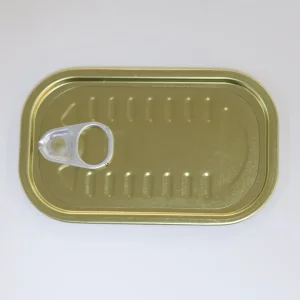
| 300# / 307# Food EOE | AA 8011-H14 or Tinplate (TH330) | 0.220 mm - 0.280 mm | Organosol / Anti-Sulfur Gold Lacquer | Canned Vegetables, Meat, Fish, Retort Ready Meals |
| 401# / 502# Powder Lids | AA 8011-O / Peelable Foil Membrane | 0.180 mm - 0.250 mm | Peelable Heat-Seal Compound / Clear Varnish | Infant Formula, Protein Powder, Coffee, Milk Powder |
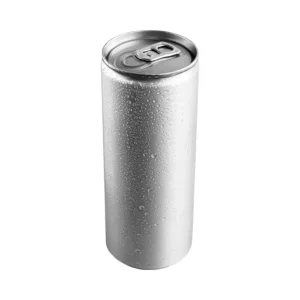
| 3104 Can Body Stock | AA 3104-H19 Cold Rolled | 0.250 mm - 0.285 mm | DWI Internal Spray Lacquer (BPA-NI) | 12oz (355ml), 330ml, 500ml Beverage Can Drawing |
Key technical and regulatory forces driving the adoption of sustainable aluminum cans and easy open lids worldwide.
Aluminum packaging represents the gold standard of closed-loop recycling. Recycling used aluminum consumes 95% less energy than primary metal smelting. European and North American legislative frameworks (such as the EU Packaging and Packaging Waste Regulation) are accelerating shifts away from single-use plastics toward infinitely recyclable metal containers, fueling double-digit market growth for 202# SOT beverage ends and 330ml/355ml aluminum cans.
To lower carbon footprints across logistics chains, factories are engineered to down-gauge end shell thickness without compromising internal pressure limits (buckle strength). Transitioning from traditional 206# diameter formats down to lightweight 202# and 200# RPT/SOT formats yields substantial raw material savings per million units shipped, directly reducing total landed costs for global beverage brands.
As product categories expand into electronic-grade powders, high-purity functional foods, and aggressive acidic beverages, packaging specifications must keep pace. Modified lacquers resist sulfur staining during 121°C retort processing, while specialized anti-static internal treatments prevent fine powders from adhering to score lines during high-speed vacuum filling.
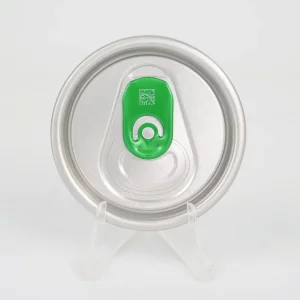
Modern B2B buyers increasingly specify laser-etched QR codes, under-tab promotional messaging, and color-anodized pull tabs. These embellishments enhance consumer engagement while serving as robust anti-counterfeiting measures for premium nutrition powders, luxury craft beverages, and pharmaceutical-grade ingredients.
Tailoring metal closures and container body geometries to specialized filling methodologies, thermal cycles, and shelf-life parameters.
High-pressure carbonation (up to 4.2 vol CO2) requires 202# Stay-On Tab (SOT) ends configured with 5182-H48 high-buckle shells. For pasteurized beers, the internal lining withstands thermal expansion without delamination, preventing metal exposure and protecting flavor profiles.
Large-aperture 401# and 502# Easy Open Ends utilize aluminum foil peel-off membranes or scoop-leveling rings. Hermetically sealed under ambient nitrogen flushes, these systems maintain residual oxygen levels below 0.5%, preserving lipid stability and shelf freshness over 24-month cycles.
High-purity chemical powders require specialized 300# anti-static aluminum easy-open lids. Manufactured in cleanroom environments, these ends neutralize triboelectric charges during filling, ensuring zero particulate contamination in double-seam contact zones.
Ready-to-eat meals, soups, and pet foods packed in 307# or 401# cans undergo aggressive thermal sterilization (121°C for 30–60 minutes). Utilizing organosol or gold anti-sulfur lacquers prevents feathering along the score line while eliminating black sulfide staining.
For on-the-go beverage formats, 202# Ring Pull Tab (RPT) and re-closable specialty ends offer consumer convenience. Smooth-edged score line processing eliminates sharp edges, enhancing safety without sacrificing hermetic seaming reliability.
Square tinplate lids and specialized chemical-resistant aluminum closures accommodate industrial solvents, lubricants, and high-grade specialty waxes. Heavy-duty compound sealants protect against volatile organic compound (VOC) permeation.
Ensuring flawless integration with high-speed Ferrum, Angelus, and Pneumatic Scale seamers through standardized double-seam teardown parameters.
For international enterprise buyers, switching or expanding supplier sources for Easy Open Ends requires strict technical validation. A variance of just 0.02 mm in countersink depth or end curl diameter can disrupt automated seamer timing, causing micro-leaks or costly line stoppages on filling lines operating at 1,200 cans per minute.
To guarantee seamless line performance, technical engineering teams supply complete double-seam dimensional blueprints prior to mass shipment. Key parameters evaluated include:
Protecting light-gauge aluminum components across long ocean voyages requires strict packaging routines. Ends are packed in heavy-duty polyethylene sleeves, placed into moisture-controlled fibre drums or corrugated cartons, and stabilized on heat-treated ISPM-15 wooden or plastic pallets. Desiccant packs and Vapor Corrosion Inhibitor (VCI) shrink hoods prevent oxidation in warm marine transit environments.
In-depth technical answers addressing common engineering, compliance, and logistics queries from B2B buyers.
Explore high-purity aluminum coils, specialized container bodies, and sterilizable lid systems engineered for long-term shelf stability.
Connect with engineering leads to request detailed technical specification sheets, sample lots for double-seam validation, or factory audit documentation.
