Field-proven aluminum stock and container configurations certified for cross-continental deployment, high-barrier moisture containment, and continuous line seam stability.

Evaluating structural transformation in the Vitebsk Oblast: Agro-industrial dairy synthesis, modern beverage modernization, and regional metal supply security.
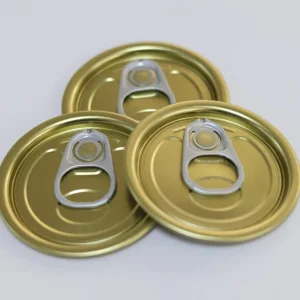
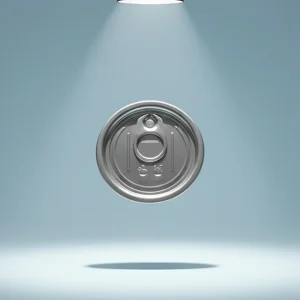
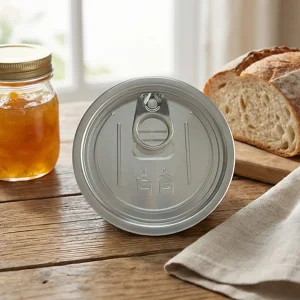
The Vitebsk region is a foundational agricultural pillar in Eastern Europe, characterized by significant dry milk, whey protein, and specialized dairy processing clusters. Maintaining dry milk integrity against thermal fluctuations and ambient relative humidity during distribution demands packaging with near-zero Oxygen Transmission Rates (OTR) and Moisture Vapor Transmission Rates (MVTR). Food-grade easy-open ends and hermetic tinplate closures are critical infrastructure investments for regional processors transitioning to value-added export milk powders.
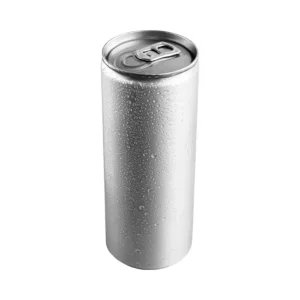
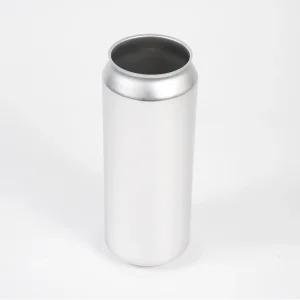
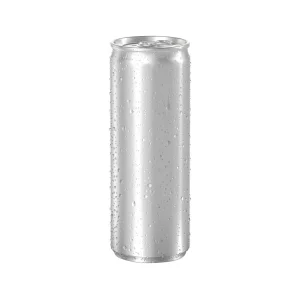
Local bottling plants, cider mills, and functional drink co-packers in Vitebsk and the surrounding Northern Belarus logistics node are rapidly moving away from heavy glass and conventional PET. Lightweight two-piece aluminum cans (ranging from 250ml slim formats to 500ml traditional standard profiles) provide superior chilling dynamics, total ultraviolet light barrier protection, and absolute recyclability within regional circular economy mandates.
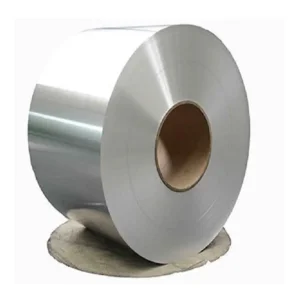
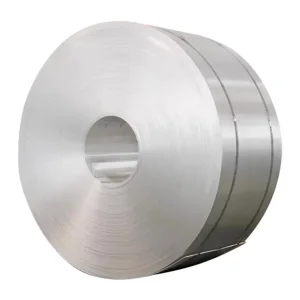
Due to ongoing shifts in Eastern European intermodal corridors, industrial procurement managers in Vitebsk are actively de-risking raw material reliance by establishing direct, multi-year channels with scaled Asian manufacturers. Accessing stable supplies of high-grade 3104 and 5182 aluminum coils ensures local can stamping plants can run automated press dies continuously without erratic downtime caused by localized regional primary ingot deficits.
Key metallurgical, regulatory, and production vectors influencing procurement decisions across international brand portfolios.
Global coil producers are leveraging advanced cold-rolling controls to reduce DWI body stock thickness down to 0.240mm – 0.260mm while preserving axial crush resistance above 1.1 kN. This saves freight weight while satisfying carbon quota directives.
International food contact standards (EU 1935/2004, FDA 21 CFR 175.300) enforce strict migration thresholds. Internal linings have transitioned to BPA-NI modified epoxy or acrylic resins designed specifically to prevent organoleptic degradation in acidic and dairy liquids.
Automated filling facilities running up to 1,200 CPM demand tight countersink depth, curl profile tolerances, and perimeter compound application consistency to avoid micro-leaks, seamer jams, and premature product oxidation during extended transit.
Aluminum saves 95% of the energy required for virgin smelting when recycled. Multinational brands rely heavily on metal packaging to reach strict Scope 3 decarbonization metrics, making aluminum the material of choice over plastic resins.
How high-speed automated production clusters solve margin pressure and inventory risk for European and Central Asian importers.
By operating downstream stamping and slit-line infrastructure in direct proximity to world-class coastal hot-rolling and cold-rolling aluminum mills, we eliminate transit latency and intermediate margin stacking. Our coil-to-finished-can workflow minimizes raw material handling degradation while accelerating end-to-end production cycles.
Our plants utilize optical vision sorting arrays alongside electronic pinhole and enamel rating units operating at up to 2,000 units per minute. Each lid and body undergoes automated dimensional evaluation (countersink, curl diameter, score residual thickness, and rivet integrity) before automated robotic palletization.
Direct positioning near the Port of Shanghai allows efficient maritime and multimodal intermodal routing directly toward Central Asian and European distribution centers. Bulk can shipments are packed with rigid plastic top frames, heavy slip sheets, and moisture barrier stretch hoods to withstand long multimodal transfers.
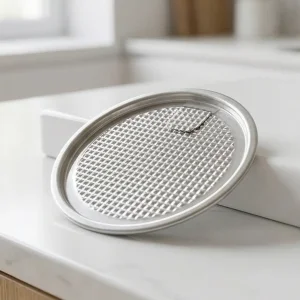
Browse our complete series of industrial-grade food closures, retort lids, specialized pharmaceutical barriers, and multi-format beverage cans.

Direct answers to technical questions concerning seamer setup, internal lacquer selection, minimum order quantities, and transit protection.
Request mill test reports, sample lots for seamer teardown, or factory-direct volume pricing from our senior technical engineering team.
