Engineered for extreme deep-drawing, tight gauge tolerances (±0.005mm), and superior salt-spray corrosion resistance in Mediterranean coastal industrial climates.
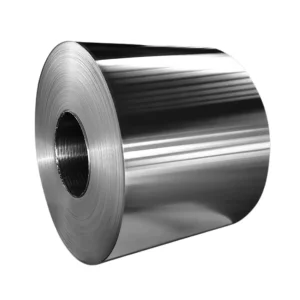
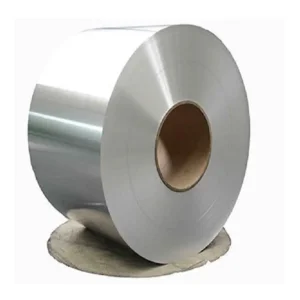
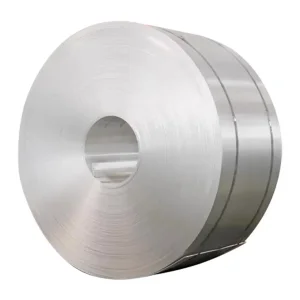
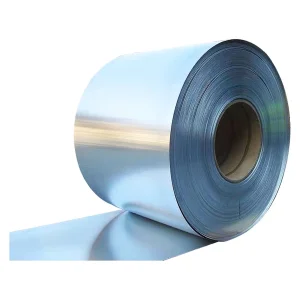
The Hellenic industrial landscape is experiencing a profound technological transition. Driven by strategic investments in green manufacturing, food export modernization, and coastal infrastructure upgrading, Greece has emerged as a key logistics and manufacturing hub connecting Southeastern Europe to global trade lanes. Industrial regions spanning Attica, Central Greece, Central Macedonia (Thessaloniki), and Patras are expanding their advanced manufacturing capabilities, creating an unprecedented requirement for high-grade non-ferrous metals—specifically rolled aluminium products.
Aluminium coil serves as the foundational substrate for vital Greek economic sectors. From high-speed beverage canning lines producing craft beers and sparkling mineral waters in northern Greece, to specialized food-grade containers preserving PDO olive oil and feta cheese, material reliability is non-negotiable. Furthermore, Greece’s extensive coastline (over 13,676 kilometers) subjects structural, transportation, and industrial infrastructure to high-salinity marine environments. This requires precise metallurgical control over alloy selection, temper state, and surface passivation to avoid intergranular stress corrosion and atmospheric oxidation.
Global enterprises operating in or exporting to Greece no longer evaluate suppliers solely on nominal price-per-tonne metrics. In modern high-throughput manufacturing environments, the total cost of ownership (TCO) is dictated by yield performance, machine uptime, and compliance risk mitigation. Procurement managers across Athens, Piraeus, and Thessaloniki focus on four primary operational benchmarks:
The following engineering data outlines key structural, mechanical, and surface characteristics across our flagship aluminium coil grades regularly supplied to Greek processors:
| Alloy Grade | Temper State | Tensile Strength (MPa) | Yield Strength (MPa) | Elongation (%) | Corrosion Class | Primary Greek Application |
|---|---|---|---|---|---|---|
| 3104 | H19 / H24 | 265 - 310 | 240 - 285 | ≥ 4.0 % | Moderate / Industrial | DWI Beverage Can Bodies, Deep-Drawn Food Tins |
| 5182 | H48 / H19 | 360 - 410 | 310 - 360 | ≥ 6.0 % | Marine / High Salinity | Easy-Open Lids (SOT/RPT), Beverage End Shells |
| 5052 | H32 / H34 | 210 - 260 | 130 - 180 | ≥ 10.0 % | C4/C5 Coastal Marine | Architectural Panels, Marine Enclosures, Can Tabs |
| 8011 | H14 / H18 / O | 140 - 180 | 110 - 150 | ≥ 3.0 % | Standard Food Grade | Bottle Closure Stock, Pharma Blisters, Foil Wraps |
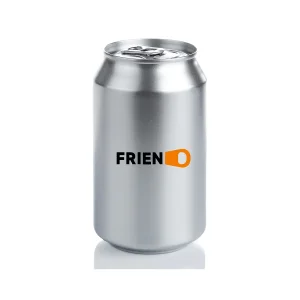
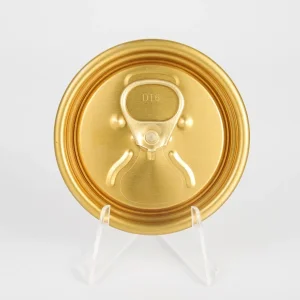
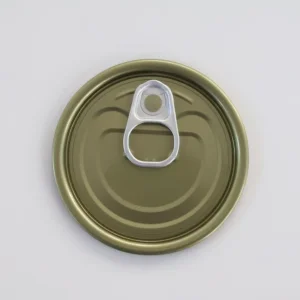
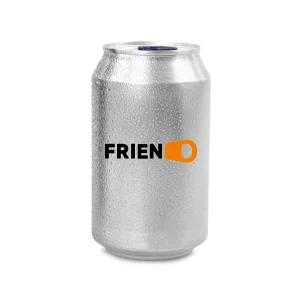
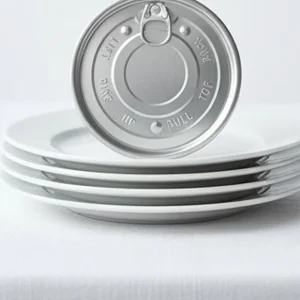
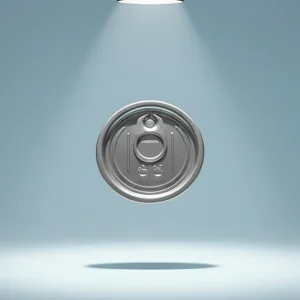
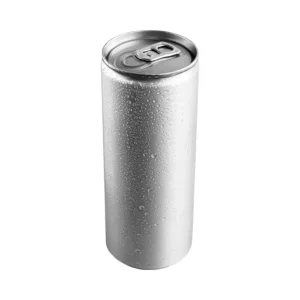
In addition to raw and slit coil stock, we supply high-performance food-grade aluminium cans, easy-open ends, and specialized lids to Greek food and beverage processors.
How we eliminate procurement friction, guarantee ocean transport protection, and fulfill strict EU regulatory demands for Hellenic importers.
We leverage established container shipping routes linking major Chinese export ports directly to Piraeus and Thessaloniki. All coils are loaded with eye-to-sky or eye-to-side orientations on fumigated wooden pallets, fully wrapped with vapor corrosion inhibitor (VCI) film and heavy-duty moisture barrier shrouds to resist sea-transit humidity.
Every shipment bound for the Hellenic Republic comes complete with Mill Test Certificates (MTCs) to EN 10204 3.1, chemical composition verifications, heavy metal safety test reports (RoHS), and REACH SVHC declarations. Our food-contact lacquers conform strictly to EU Regulation 1935/2004 and FDA 21 CFR 175.300.
Equipped with advanced German-engineered slitting lines and automatic gauge control (AGC) systems, we customize coil widths from 20mm up to 1600mm. Our tight gauge tolerances guarantee seamless feeder integration on high-speed stamping presses operating at speeds exceeding 1,200 strokes per minute.
The global aluminium packaging industry is undergoing rapid technological evolution centered around lightweighting, low-carbon smelting, and digital quality monitoring. In order to support Greek and European manufacturers in meeting strict EU circular economy targets, our manufacturing facilities are integrating three core technological advancements:
By increasing the ratio of recycled aluminium scrap in our remelt furnaces, we reduce the embodied carbon of our 3104, 5182, and 5052 coils by up to 75% compared to primary smelter virgin ingot. Recycled aluminium preserves 95% of the original energy consumed during electrolysis, providing Greek converters with low-carbon material ideal for CBAM compliance and corporate Scope 3 reduction goals.
Through proprietary cold-rolling thermomechanical processing (TMP), we achieve elevated yield strength (up to 360 MPa in 5182-H48) while maintaining uniform elongation. This enables Greek beverage fillers to down-gauge shell thickness from 0.224mm to 0.208mm without compromising dome burst pressure or column crush strength.
Every meter of coil passing through our tension leveling and slitting lines is scanned by 3D optical laser inspection systems. Pinholes, micro-scratches, oil stains, and edge burrs are instantly detected and logged into a digital twin quality certificate. Greek manufacturing clients receive automated quality mapping for every coil ID delivered to their warehouse.
Comprehensive B2B sourcing insights covering alloy selection, customs documentation, maritime transit protection, and quality guarantees.
Standard production lead time for custom slit aluminium coil (3104, 5182, 5052, 8011) is 15 to 25 calendar days upon deposit confirmation and artwork/technical specification lock. Direct vessel transit from main Asian shipping hubs to Piraeus or Thessaloniki typically takes 22 to 28 days. In total, buyers in Greece should plan for a 40 to 50-day door-to-port cycle.
Maritime container shipments undergo temperature fluctuations that cause condensation ("cargo sweat"). To prevent atmospheric oxidation and white rust, every coil is wrapped in multi-layered Vapor Corrosion Inhibitor (VCI) paper, sealed inside a heavy-gauge polyethylene heat-sealed film shroud, and packed with active silica gel desiccants before being strapped onto fumigated ISPM-15 compliant wooden skids.
Yes. All our pre-lacquered aluminium coils designed for food cans, easy-open ends, and bottle closures utilize BPA-Non-Intent (BPA-NI) coating chemistries. We supply complete compliance documentation adhering to EU Regulation 1935/2004, EU Regulation 10/2011, and FDA 21 CFR 175.300, complete with overall and specific migration testing reports performed by independent accredited laboratories (SGS / TÜV).
Absolutely. We operate precision CNC slitting lines capable of holding width tolerances down to ±0.1mm. Whether your line requires narrow strip widths for multi-die shell stamping or wide coil stock for full-width deep drawing, we accommodate slit widths from 20mm to 1600mm with clean, burr-free edge profiles.
We furnish comprehensive Carbon Border Adjustment Mechanism (CBAM) data packages with every shipment. This includes direct (Scope 1) and indirect (Scope 2) embedded emissions calculations verified according to EU regulation methodologies, alongside standard Mill Test Certificates (EN 10204 3.1), Country of Origin certificates, and custom HS code classifications (e.g., 7606 and 7607 series).
For standard alloy grades (such as 3104-H19 or 5052-H32 in common thicknesses), our MOQ starts at 5 metric tonnes per specification. For custom lacquered coil, specialized colors, or non-standard tempers, MOQ typically ranges between 7 to 10 metric tonnes per run. Sample coils for die testing and machine setup can be prepared upon request.
Partner with a global leader in high-precision aluminium coil, bottle shell stock, and easy-open component manufacturing. Get tailored metallurgical technical advice, instant pricing, and sample lots delivered to your plant.
Send Inquiry Now