Engineered for high-speed filling lines in South Korea, meeting strict MFDS safety benchmarks and precision seam tolerances.
Analyzing consumer behavior, retail density in Gangnam and Hongdae, and the rapid shift toward single-serve functional beverages in South Korea.
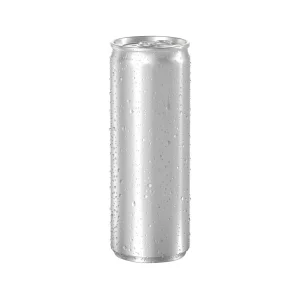
The Greater Seoul area (encompassing Seoul, Incheon, and Gyeonggi-do) represents over 25 million consumers within an ultra-dense retail framework. Convenience store giants such as GS25, CU, Seven-Eleven, and Emart24 drive high shelf turnover. In this environment, visual ergonomics and space utilization are paramount. The traditional 355ml "Standard" can is rapidly giving way to the 200ml, 250ml, and 330ml "Slim" profile, which maximizes shelf frontage per square meter and caters to on-the-go urban commuters in Seoul’s subway network.
South Korea’s beverage industry has witnessed a explosive shift toward functional formulation: low-calorie energy shots, collagen-infused sparkling waters, kombucha RTDs, and zero-sugar premium teas. Korean consumers demand premium aesthetic appeal that matches modern lifestyle branding. China’s advanced aluminum slim packaging suppliers provide the exact structural integrity, tactile matte varnishes, and precise internal lacquer formulations required to preserve volatile bio-active ingredients under fluctuating distribution temperatures.
Sourcing metal packaging for Seoul is not merely a transaction of commodity aluminum; it is an integrated engineering alignment. Korean co-packers and OEM/ODM beverage giants (e.g., facilities in Chungbuk, Gyeonggi, and Cyungnam) run high-speed Rotary Seamers (such as Ferrum, Angelus, and pneumatically driven Korean domestic seamers) operating at speeds from 300 to 1,200 cans per minute. A minor variation in flange diameter or countersink depth results in micro-leaks, unravelling double seams, or expensive line shutdowns. As a specialized China Slim Service & Supplier, our value proposition centers on zero-defect double-seam compatibility, customized alloy temper controls (3104-H19), and rapid cross-border supply chain synchronicity.
How state-of-the-art drawing and wall-ironing (DWI) tech, automated optical inspection, and Shanghai port proximity provide unmatched cost efficiency to Korean buyers.
Our smart manufacturing facilities utilize press lines running up to 3,000 ends per minute and multi-stage DWI can body lines. Integrated high-resolution camera vision systems inspect 100% of can rims, internal pinholes, and bottom domes in real-time, instantly ejecting sub-millimeter defects.
Internal lacquer integrity is verified via automatic Enamel Rating equipment (< 2mA electrical conductivity standard). This guarantees that acidic beverages—such as sparkling RTD fruit juices or carbonated sodas—never come into direct contact with raw aluminum alloy, avoiding metal leaching.
Leveraging direct strategic partnerships with top aluminum smelters in China (3104-H19 coil for bodies and 5182-H48 for shell stock), our facilities maintain continuous coil reserves. This insulates Seoul beverage brands from volatile global aluminum LME pricing swings and short-term ingot shortages.
The materials science behind modern slim aluminum cans—balancing axial strength, internal burst pressure, and eco-friendly coatings.
Aluminum slim cans require exceptional structural stiffness despite thin wall gauges. We utilize 3104-H19 alloy for the drawn can body, offering superior work-hardening capabilities that maintain an axial column strength of over 850 N—preventing can collapse during high-speed vertical filling and pallet stacking. For the end closures, 5182-H48 alloy shell stock with 5052 alloy tabs provides reliable pop-and-pull opening forces while sustaining internal pressures up to 6.2 bar (ideal for pasteurized craft beer and carbonated drinks).
With global safety regulations banning Bisphenol A (BPA) in food contact packaging, our production lines have transitioned entirely to next-generation BPA-NI (acrylic and polyester-based) internal lacquers. These lacquers undergo rigorous migration testing under FDA 21 CFR 175.300 and EU 1935/2004 standards, guaranteeing absolute neutral taste, zero scent contamination, and total chemical stability for aggressive ingredients like high-citrate energy drinks or alcohol-infused RTD seltzers.
Spectrometric verification of alloy composition, grain structure, gauge tolerance (±0.002mm), and pinhole-free lacquer coating.
Multi-stage cupping and ironing, maintaining uniform wall thickness (mid-wall 0.095mm, top neck 0.165mm) for optimal weight-to-strength ratio.
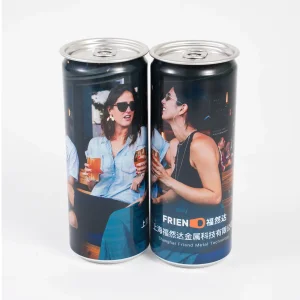
Dry offset high-speed printing with inline varnish application (Matte, Gloss, Tactile, or Metallic), holding ΔE color accuracy under 0.8.
Sample teardown tests measuring overlap percentage, seam tightness, countersink depth, and hook lengths matching Korean seamer profiles.
Full alignment with South Korea’s Ministry of Food and Drug Safety (MFDS) rules, Korean Industrial Standards (KS), and local recycling laws.
Importing beverage containers into South Korea requires compliance testing under the MFDS Standards and Specifications for Utensils, Containers and Packages. Our metal packaging line products are pre-certified through accredited third-party laboratories (SGS, TÜV, Intertek) for heavy metal migration limits (Lead, Cadmium, Nickel, Antimony, and Arsenic) and overall migration residues, providing effortless customs release at Incheon Customs Port.
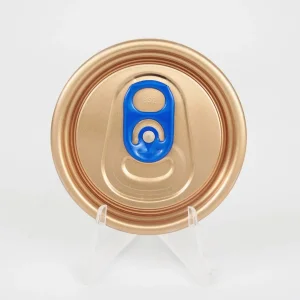
South Korea enforces strict packaging recyclability grades under the Act on the Promotion of Saving and Recycling of Resources. Aluminum cans supplied by Shanghai Friend Metals feature 100% monochrome aluminum lids (5182 ends on 3104 bodies), avoiding steel-tab contamination. This guarantees the highest "Easy to Recycle" rating in South Korea, minimizing eco-levies for local brand owners.
A clear comparative analysis of purchasing parameters for Seoul importers, brand owners, and co-packers.
| Packaging Parameter | China Factory Standard (Friend Metals) | Seoul Market Benefit | Technical Verification Method |
|---|---|---|---|
| Can Profile & Volume | Slim 200ml / 250ml / Sleek 330ml | Optimized shelf density in GS25 / CU stores | Laser dimensional scan (±0.1mm) |
| Alloy Composition | Body: 3104-H19 | End: 5182-H48 | Tab: 5052 | High axial load & pressure containment | Mill Test Certificate & XRF Spectrometry |
| Internal Lacquer | BPA-NI (BPA Non-Intent) Water-based Coating | 100% MFDS compliant, zero taste alteration | Enamel Rater (<2mA) & Solvent Resistance Test |
| Seam Geometry | 200# / 202# / 206# SOT & RPT Ends | Seamless fit for Ferrum / Angelus seamers | Optical seam teardown & overlap evaluation |
| Supply Lead Time | 15-20 Days Production + 2 Days Sea Transit | Rapid replenishment for seasonal demand spikes | Real-time vessel tracking (Shanghai to Incheon) |
| MOQ Flexibility | 1x20' FCL for Bright Cans / 100k for Printed | Reduces cash flow pressure for craft startups | Customized batch production scheduling |
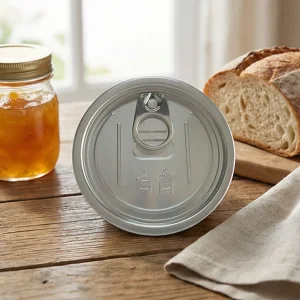
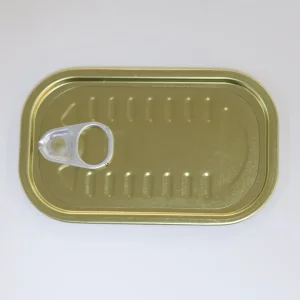
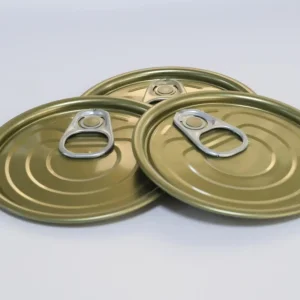
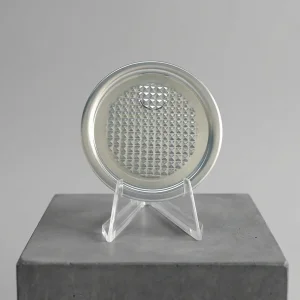
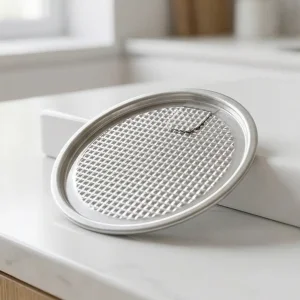
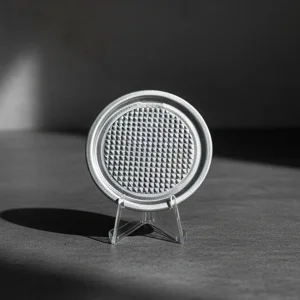
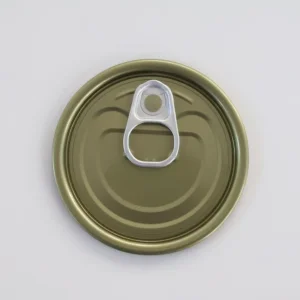
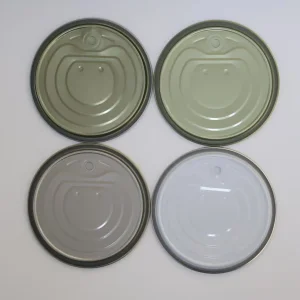
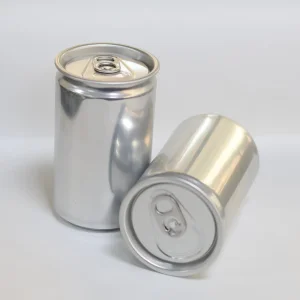
Full spectrum of food-grade tinplate lids, easy-open ends, and specialized aluminum cans engineered for export excellence.
Engineering and procurement details regarding shipping routes, compliance, sample testing, and seamer setup.
Partner with a trusted China Slim Service & Supplier. Request CAD drawings, BPA-NI compliance documentation, or instant pricing for your next production run.
Send Inquiry Now