As Southeast Asia's largest urban economy, Greater Jakarta is experiencing an unprecedented surge in premium beverage, functional nutrition, and ready-to-drink (RTD) consumer demand.
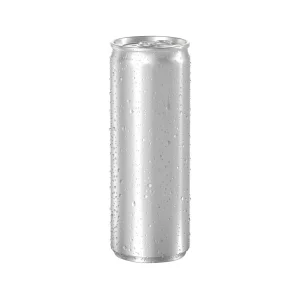
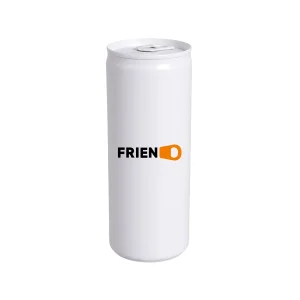
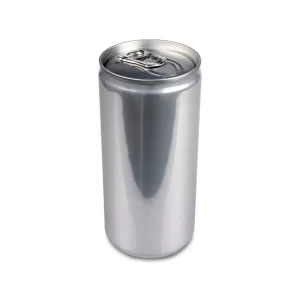
The Jakarta metropolitan region (spanning Jakarta, Bogor, Depok, Tangerang, and Bekasi) represents over 30 million consumers with rapidly expanding disposable income. Young urban professionals are transitioning away from single-use PET bottles toward premium, handheld aluminum slim cans. Brand owners in BSD City, Cikarang, and Karawang industrial hubs are re-engineering product lines around the sleek 250ml slim format to communicate modern luxury, environmental responsibility, and portion control.
Indonesia's tropical equatorial climate imposes extreme ambient humidity (often exceeding 80% RH) and elevated warehousing temperatures (28°C to 35°C). Flexible plastic packaging and paper cartons suffer from moisture vapor transmission (MVTR) and oxygen ingress over time, degrading sensitive beverage formulations, nutritional powders, and RTD teas. Fully sealed aluminum cans and easy-open lids provide a zero-permeability gas and light barrier, preventing liquid oxidation and flavor profile degradation.
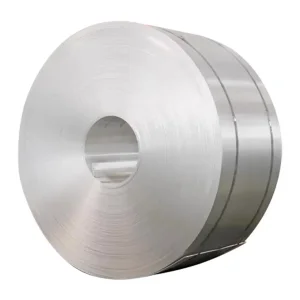
Achieving structural stability in thin-wall aluminum cans requires advanced metallurgical engineering. China's top-tier aluminum rolling mills utilize specialized drawing and wall-ironing (DWI) manufacturing techniques to produce body coil and shell stock tailored for high-speed automated beverage filling equipment operating across Indonesia.
| Parameter / Dimension | 250ml Slim Can Specification | 200# SOT / RPT End Specification | Industrial Tolerance & QA Standard |
|---|---|---|---|
| Alloy & Temper | AA3104-H19 (Aluminum-Manganese) | AA5182-H48 (Aluminum-Magnesium) | GB/T 3190 / ASTM B209M Compliant |
| Can Outer Diameter (Body) | 53.30 mm ± 0.20 mm | 50.00 mm (200 Nominal Fit) | Calibrated via Laser Optical Micrometer |
| Can Overall Height | 134.00 mm ± 0.30 mm | N/A (Seam Curl Height: 2.10mm) | EN 12331 Mechanical Gauge Tested |
| Internal Pressure Resistance | ≥ 6.2 Bar (620 kPa / 90 PSI) | ≥ 6.5 Bar Buckle Strength | Pneumatic Hydrostatic Destruction Test |
| Axial Load Load Capacity | ≥ 850 N (Vertical Crush Force) | N/A | Top-Load Compression Tester Benchmark |
| Internal Coating System | BPA-Non-Intent (BPA-NI) Acrylic/Polyester | BPA-NI Modified Vinyl/Epoxy-Free | Enamel Rater Test < 2.0 mA @ 6.3V |
Indonesian beverage formulations present unique chemical challenges to internal coatings. Popular local products—such as RTD cold brew coffee, acidic fruit juices (passionfruit, tamarind), carbonated energy drinks, and dairy-infused boba beverages—exhibit pH values ranging from 2.8 to 6.5. Without an advanced internal polymer barrier, aluminum ions can migrate into the liquid matrix, distorting product flavor and violating strict regulatory limits.
Our factory utilizes state-of-the-art electro-deposition spray nozzles to apply an ultra-uniform, continuous BPA-NI (Bisphenol A Non-Intent) internal lacquer at dry film weights between 4.5 g/m² and 6.0 g/m². Every lot undergoes rigorous 24-hour conductivity enamel rating tests (yielding less than 2.0 mA under 6.3V electrical potential), guaranteeing 100% pinhole-free integrity before export to Tanjung Priok port.
For B2B buyers supplying the Indonesian market, regulatory compliance is non-negotiable. Law No. 33 of 2014 concerning Halal Product Assurance (JPH) mandates that primary food contact packaging materials entering Indonesia must strictly observe Halal manufacturing protocols under BPJPH (Badan Penyelenggara Jaminan Produk Halal) and LPPOM MUI guidance.
Our manufacturing plants enforce clean-factory protocols where all lubricants, drawing oils, seam-forming compounds, and internal lacquers used across our production lines are certified NSF H1 food-grade and free from animal-derived fatty acids or synthetic haram contaminants. Furthermore, our facilities maintain compliance with international food contact regulations including FDA 21 CFR 175.300, EU Regulation 1935/2004, and Indonesian SNI standards.
Why do leading Indonesian beverage fillers, contract co-packers in Cikarang, and regional exporters partner with Chinese aluminum packaging manufacturers? The answer lies in total cost of ownership (TCO), scale, precision tooling, and unparalleled shipping connectivity between East China ports and Jakarta.
Our factories utilize high-speed Stolle, Belvac, and Minster stamping lines operating at speeds up to 2,200 cans per minute. High-precision vision inspection systems scan 100% of manufactured can bodies and easy-open ends for flange dents, microscopic pinholes, and internal varnish defects, virtually eliminating defect rates on your high-speed filling lines.
Shipping from Shanghai or Ningbo directly to Tanjung Priok (Jakarta) takes only 7 to 10 days on direct liner services (such as SITC, KMTC, and COSCO). Our specialized container loading protocols maximize container space utilization while insulating products from ocean air humidity using high-density polyethylene film wrapping and heavy-duty desiccant packs.
Elevate your brand aesthetic with state-of-the-art 8-color dry offset rotary printing lines. We offer special surface treatments tailored for modern Indonesian consumers, including tactile matte varnish, high-gloss metallic finishes, thermochromic temperature-sensitive inks, and laser-engraved QR code tab ends for interactive consumer promotions.
The versatility of China-manufactured slim cans and aluminum closures is highlighted by real-world packaging transitions occurring across Indonesia's primary industrial corridors:
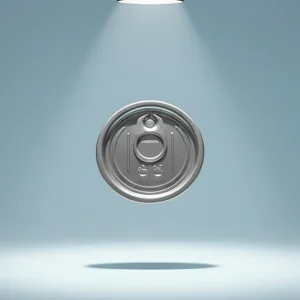
Local coffee chains and co-packers in BSD City and South Jakarta are packaging nitro cold brew and palm sugar milk coffee (Kopi Kenangan style) into 250ml slim cans with 200# SOT ends. The slim footprint fits naturally into convenience store coolers (Indomaret, Alfamart), providing 12-month shelf stability without refrigeration before opening.
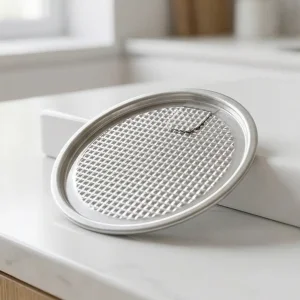
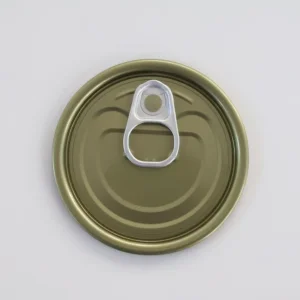
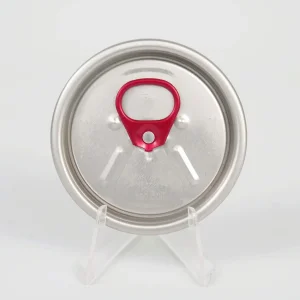
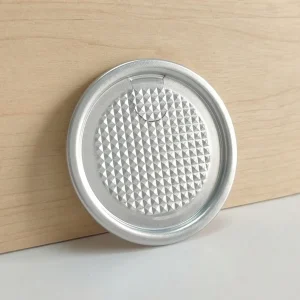
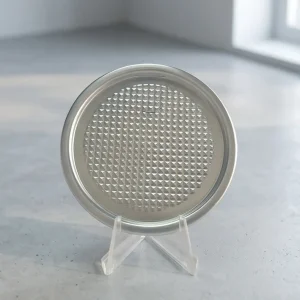
Leading nutritional brands producing adult formula milk, herbal jamu powders, and soluble collagen powders rely on 307# and 401# easy-open lids and powder ends. Our nitrogen-flush capable closures preserve active ingredients against oxidation, ensuring zero flavor degradation during humid tropical storage.
Modern functional beverage manufacturers in Cikarang are expanding their reach by packing sparkling electrolyte fluids and carbonated botanical infusions into lightweight 250ml slim aluminum cans. Enhanced burst ratings (up to 6.2 Bar) prevent thermal expansion failure during transit across Indonesia's inter-island logistics network.
The global metal packaging industry is rapidly evolving. Driven by stringent international carbon footprint regulations and corporate ESG mandates, aluminum has emerged as the premier sustainable packaging material of choice worldwide.
Unlike plastic resins, which degrade in quality during recycling (downcycling into secondary industrial materials), aluminum is infinitely recyclable. Over 75% of all aluminum ever produced in human history remains in productive use today. In Indonesia, where marine plastic pollution is a critical environmental concern, adopting recyclable aluminum slim cans positions beverage brands as progressive environmental leaders.
Through advanced finite element analysis (FEA), our engineering teams have reduced can body sidewall thickness to a hyper-efficient 0.097 mm while maintaining vertical column strength exceeding 850 Newtons. This lightweighting reduces raw material usage, lowers ocean freight shipping costs per unit, and directly decreases total lifecycle carbon emissions.
Elevate your beverage line efficiency, ensure Halal and BPOM compliance, and secure factory-direct pricing with rapid shipping to Tanjung Priok. Request technical drawings, coating migration test reports, or sample containers today.
