High-precision 3104 alloy sleek aluminum can bodies (200ml to 355ml) optimized for tropical logistics, high internal pressures, and fast-speed filling lines in Manila, Cebu, and Davao.
Analyzing consumer behavior, tropical climate challenges, and supply chain synergy between Chinese metal packaging factories and Philippine beverage fillers.
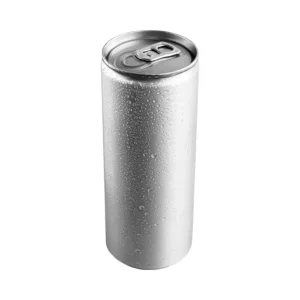
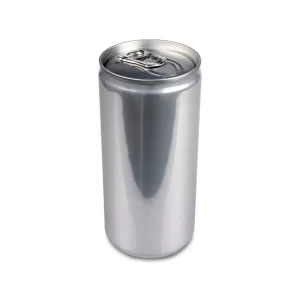
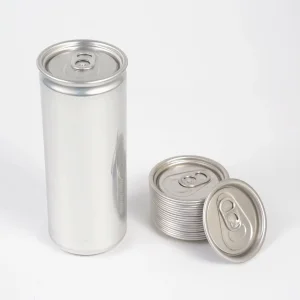
The fast-moving consumer goods (FMCG) landscape in the Philippines is undergoing a structural transition. Across Metro Manila, Metro Cebu, Cagayan de Oro, and Davao, urban consumers are rapidly pivoting from traditional glass bottles and PET containers toward modern, recyclable aluminum cans. In particular, the "Sleek" format—characterized by a slimmer 58mm outer diameter body paired with a 200# or 202# neck—has become the gold standard for premium ready-to-drink (RTD) beverages.
Driven by rising disposable income, expanding convenience store networks (such as 7-Eleven, Uncle John's, and Lawson), and modern trade channels, Philippine consumers perceive sleek cans as visually superior, ergonomic, and environmentally conscious. Category growth is accelerating in craft beers, hard seltzers, sparkling botanical waters, ready-to-drink cold brew coffees, and tropical fruit-infused energy drinks. For beverage brand owners, transitioning from standard 66mm diameter cans to sleek profiles yields a distinct shelf-presence advantage, enabling higher retail price points and improved brand equity.
The tropical environment of the Philippines—characterized by average relative humidity exceeding 85% and high ambient storage temperatures (30°C–38°C)—presents unique corrosion and pressure risks for canned beverages. Chinese manufacturers specialized in export-grade aluminum packaging utilize advanced modified epoxy and acrylic BPA-NI (Non-Intent) internal lacquer systems. These lacquers provide an impermeable chemical barrier against aggressive tropical beverage matrices, such as calamansi fruit juices, high-brix mango nectars, and carbonated beverages with acidic pH levels down to 2.5.
Sourcing sleek aluminum products directly from specialized production hubs in China offers unmatched logistical and commercial efficiency for Philippine fillers. With major shipping corridors linking Chinese ports (Shanghai, Ningbo, Guangzhou) directly to Manila South Harbor, Manila North Harbor, Cebu, and Subic Bay, ocean transit times are minimized to just 4 to 7 transit days.
Furthermore, under the ASEAN-China Free Trade Area (ACFTA) Form E agreement, Philippine importers can leverage preferential zero-tariff or reduced-duty entry for metal packaging products under HS Code 7612.90. This duty preference, combined with highly automated, ultra-high-speed Chinese production lines running at 1,500 to 2,000 cans per minute, significantly lowers the total landed cost per unit compared to local or regional alternatives.
A deep dive into aluminum alloy metallurgical integrity, DWI wall thinning physics, internal coating chemistries, and double-seam tolerance engineering.
Engineered using continuous cast aluminum coil with controlled manganese and magnesium ratios, ensuring high yield strength (>270 MPa) and minimal earing percentage (<1.2%) during high-speed cupping and drawing.
Compliant with US FDA 21 CFR 175.300 and EU Regulation 1935/2004. Applied via precision spray nozzles to maintain uniform 5-8 micron film thickness, eliminating enamel pinholes and ion migration.
Flange width, curl height, and countersink depth are micro-calibrated to integrate seamlessly with automated high-speed seaming systems (e.g., Ferrum, Angelus, Jinrong) without line jamming.
The manufacture of sleek aluminum cans relies on state-of-the-art Drawn and Wall Ironed (DWI) technology. Raw aluminum sheet stock (3104-H19 temper, nominal thickness ~0.26mm to 0.28mm) is first punched into shallow cups. These cups are progressively forced through a series of tungsten carbide ironing rings, which stretch the metal upward while thinning the sidewalls to an astonishing 0.095mm – 0.105mm gauge.
This micro-thin wall architecture dramatically reduces material weight—making sleek cans among the most lightweight and sustainable packaging mediums globally—while retaining structural integrity. The bottom dome of the can is formed under reverse redrawing to create a concave arch capable of resisting internal pressures exceeding 90 psi (6.2 bar), making it fully suitable for high-carbonation soft drinks, sparkling beers, and pasteurized liquid contents.
Strategic advancements in circular aluminum economies, digital printing high-definition graphics, and ultra-lightweighting gauge reduction.
The global metal packaging industry is moving aggressively toward zero-carbon manufacturing. Future sleek can supply chains between China and the Philippines will integrate up to 75% to 85% recycled aluminum scrap into the 3104 slab melting process. This reduction cuts carbon emission intensity by over 90% compared to virgin primary aluminum smelting, fulfilling corporate ESG imperatives for international beverage conglomerates.
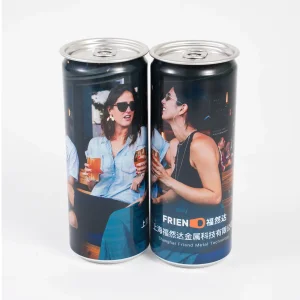
Traditional 6-color and 8-color dry-offset printing lines are now supplemented by direct-to-can digital inkjet printing technology. This enables local Philippine craft brewers and boutique beverage startups to execute short-run customized graphics, seasonal promotional packaging, tactile embossments, matte/gloss combination varnishes, and variable QR code printing for consumer engagement and supply-chain traceability.
Ensuring complete regulatory compliance with Philippine FDA standards while offering end-to-end technical line calibration.
Importing metal packaging into the Philippines requires strict adherence to national food safety guidelines overseen by the Food and Drug Administration (FDA) Philippines and the Bureau of Philippine Standards (BPS). Every shipment of sleek aluminum cans and easy-open lids exported from our facility is accompanied by complete documentation sets:
We don't just ship cans—we safeguard your production efficiency. Our team of packaging engineers provides remote and on-site technical alignment for filling facilities across Luzon, Visayas, and Mindanao. We assist your technical staff in fine-tuning double-seamer chucks and rolls (profile 200# / 202#), optimizing nitrogen dosing pressure for non-carbonated teas and juices, and resolving flange collapse or seaming cut-over anomalies.
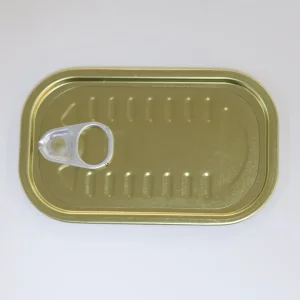
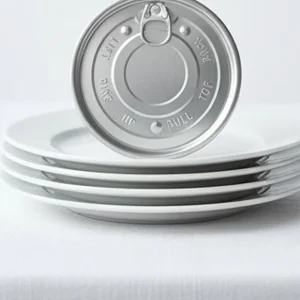
Explore our broader catalog of high-performance sleek cans, easy-open ends (SOT/RPT), tinplate lids, and specialty closures engineered for food and beverage safety.

Expert answers covering MOQ options, double-seam teardown support, ACFTA Form E tax exemptions, coating integrity, and ocean freight protection.
