Engineered specifically for European high-speed seaming lines, certified under EU 1935/2004 and tested for cold-climate storage resilience across the Nordic region.
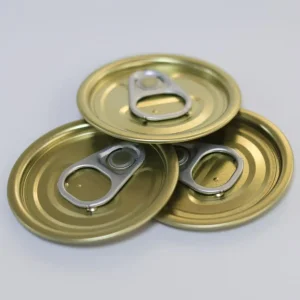
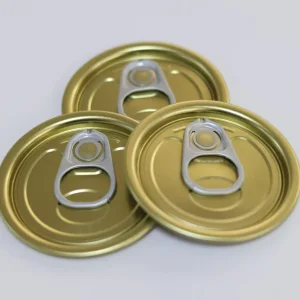
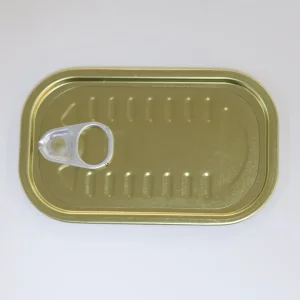
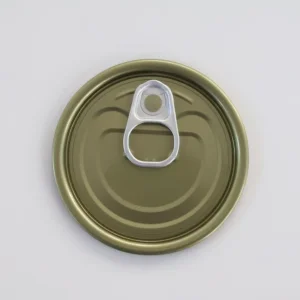
An in-depth analysis of Sweden’s food processing industry, industrial chemical storage mandates, and why Chinese precision engineering leads modern supply chain transformations.
Sweden’s National Food Agency (Livsmedelsverket) alongside the Swedish Chemicals Agency (KEMI) enforces some of the world's most rigorous material-contact frameworks. Any metal packaging component—specifically iron and tinplate lids—imported into Gothenburg, Malmö, or Stockholm must comply fully with EU Regulation 1935/2004 and the newly updated EU Packaging and Packaging Waste Regulation (PPWR). Importers require total traceability, certified zero-migration internal lacquer systems, and complete freedom from prohibited SVHC (Substances of Very High Concern) under REACH regulations.
The Swedish canned food sector is defined by demanding applications: from pickled herring (sill) and fermented seafood requiring maximum resistance against high-saline and acidic brine solution, to traditional canned yellow pea soup (ärtsoppa), meat preserves, and dry dairy powders exported throughout the Baltics. Beyond food, Sweden's robust chemical, paint, and automotive lubricant sectors rely heavily on heavy-gauge tinplate and ECCS (Electrolytic Chromium Coated Steel) iron lids engineered to withstand rigorous sea transport and arctic temperature fluctuations without seam fatigue.
While domestic European steel component prices continue to fluctuate due to energy surcharges, Chinese tinplate manufacturing has reached unprecedented technical maturity. Utilizing double-reduced (DR) steel substrates combined with precision high-speed stamping, top-tier Chinese manufacturers can deliver iron lids that match SS-EN ISO 9001 quality specifications at 22–35% lower total landed cost into Swedish ports, even when accounting for EU logistics and customs clearance.
How environmental mandates, lightweighting, and coating innovations are redefining metal closure specifications for global brand owners.
The European market has transitioned decisively toward Bisphenol A Non-Intent (BPA-NI) internal lacquers. Advanced polyester and acrylic organosol coatings protect canned products from organoleptic alteration, preventing metal ion leaching over multi-year shelf lives.
Driven by the Nordic Swan Ecolabel and EU decarbonization targets, iron lid gauge thickness has been optimized down to 0.18mm–0.22mm using high-yield DR8 / DR9 tempers without sacrificing buckle pressure or double-seam integrity.
Modern Swedish canning plants operate automated seaming stations (such as Ferrum, Angelus, and FMC) running up to 1,200 cans per minute. Lid curl radius, countersink depth, and compound lining consistency must achieve micro-meter precision.
| Parameter / Standard | Food-Grade Tinplate (ETP) Lids | TFS / ECCS Iron Lids | High-Acid Preserve Lids |
|---|---|---|---|
| Substrate Material | MR Grade Single/Double Reduced Steel | Electrolytic Chromium Coated Steel | Premium ETP with E2.8/2.8 Coating |
| Nominal Gauge Range | 0.17 mm – 0.28 mm (±0.005 mm) | 0.18 mm – 0.30 mm (±0.005 mm) | 0.20 mm – 0.26 mm |
| Internal Lacquer System | BPA-NI Gold Epoxy / Polyester | Organosol / Epoxy-Phenolic Clear | Heavy-Duty Acid-Resistant Organosol |
| External Coating Finish | Clear Varnish / White Print / Matt | Gold Lacquer / Custom Lithography | Anti-Corrosive Clear Protective Varnish |
| Sealing Compound Type | Water-based Synthetic Rubber | Phthalate-Free Liquid Gasket | High-Temp Retort-Grade Compound |
| Target Application | Peas, Soups, Dry Powders, Milk Cans | Industrial Oils, Paints, Dry Snacks | Surströmming, Pickled Herring, Brine |
Preventing micro-leakage and oxidation during long-distance maritime shipping and low-temperature Nordic warehousing.
The seal security of an iron lid relies fundamentally on the geometry of the lid curl and the countersink depth. During high-speed seaming operations in Swedish facilities, any deviation exceeding 0.02mm in curl radius can result in cut-overs, false seams, or fractured enamel linings. Our manufacturing process utilizes high-speed Swiss-engineered Bruderer presses and Japanese multi-station dies, maintaining dimensional tolerances within ±0.003mm across millions of units.
To guarantee 100% hermetic isolation against oxygen ingress, water-based or solvent-free PVC-free liquid lining compound is injected into the lid channel using computerized nozzle dispensors. The weight and film distribution of the dry compound are rigorously audited per batch to ensure consistent seam tightness under both vacuum sealing and positive pressure retort conditions up to 1.5 bar.
Swedish maritime shipping routes and cold storage facilities present unique condensation challenges. Thermal shock during transportation between humid cargo holds and frozen Scandinavian harbors can cause dew point condensation on container surfaces. Our iron lids undergo 48-hour neutral salt spray (NSS) testing and copper sulfate porosity checks to ensure zero pinhole formation and complete rust prevention during transit.
From custom tooling to customs clearance at Port of Gothenburg—how we remove trade friction for Nordic buyers.
We accommodate both large enterprise canning plants and artisanal regional packers. Flexible MOQs start at 100,000 units for standard diameter codes (200#, 202#, 211#, 300#, 307#, 401#, 603#) with safety stock buffering options.
Every shipment arrives with complete documentation: Certificate of Analysis (CoA), Heavy Metal Migration Test Reports (EN 1186 / EN 13130), EU 1935/2004 Declaration of Compliance, and REACH SVHC statements.
Our packaging engineers work directly with your plant technicians in Sweden. We provide 3D CAD step files, seaming chuck and roll profile recommendations, and teardown parameter guides prior to trial runs.
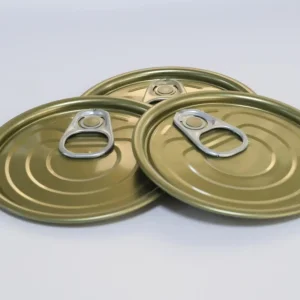
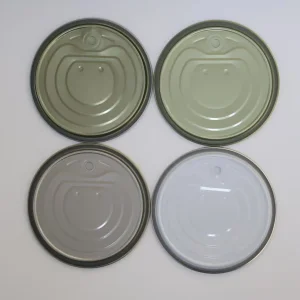
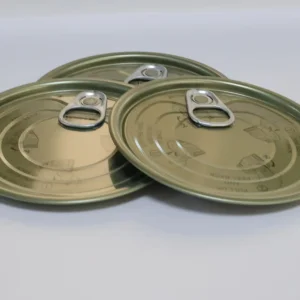
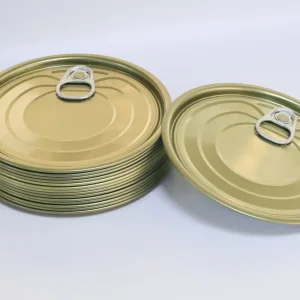
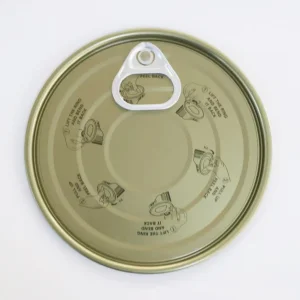
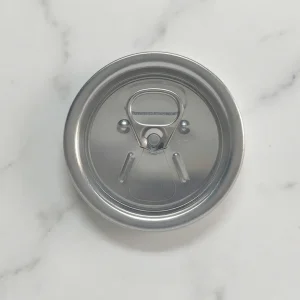
Explore our standard, easy-open, and specialty iron lids designed for every industrial, food, and beverage format across Sweden.
Preparing Swedish food brands for upcoming EU decarbonization goals, intelligent packaging integration, and advanced surface functionalization.
Transitioning raw steel coil sourcing toward hydrogen-reduced electric arc furnace (EAF) production. By 2028, target embodied carbon footprint for our iron lid products will decrease by up to 45%, directly aligning with Sweden’s national net-zero roadmap.
Direct laser etching of high-density matrix codes onto external lid surfaces. Allows automated batch verification at Swedish filling plants and provides consumers with full farm-to-can supply chain transparency.
Formulating bio-based protective barrier lacquers incorporating non-migratory nano-silica matrices. Enhances chemical resistance against sulfur-heavy canned food products while completely eliminating synthetic solvents.
Expert technical answers compiled by our international trade and metal packaging engineering teams.
ETP features a thin electrolytic tin coating over a cold-rolled steel base, providing excellent natural corrosion resistance and high metallic luster, making it ideal for food contact applications. ECCS (Electrolytic Chromium Coated Steel), often referred to as TFS (Tin-Free Steel), utilizes a layer of metallic chromium and chromium oxide. ECCS offers superior lacquer adhesion and economy but requires double-sided lacquering for all applications. For Swedish food processing, ETP is generally preferred for acidic or sulfur-releasing foods, while ECCS is extensively used for industrial closures and general dry packing.
All our BPA-NI (Bisphenol A Non-Intent) iron and tinplate lids are batch-certified by independent third-party laboratories (such as SGS or TÜV Rheinland) following EU Regulation 10/2011 and EU Regulation 1935/2004 testing methodologies. We conduct overall migration tests using food simulants (3% Acetic Acid, 10% Ethanol, and Rectified Olive Oil) alongside specific migration limits (SML) analysis. Migration test certificates and formal Declarations of Compliance (DoC) are attached directly to shipping documentation for seamless validation by Swedish authorities (Livsmedelsverket).
Yes. For high-saline and acidic canning applications like Swedish pickled herring or surströmming, we specify heavy tin coating weights (such as E2.8/2.8 or E5.6/5.6) combined with a dual-coat organosol or heavy-duty epoxy-phenolic internal lacquer system. This coating architecture prevents tin dissolution and sulfur staining (blackening) caused by fish amino acids, ensuring a stable shelf life exceeding 24 to 36 months under variable storage temperatures.
Standard production lead times for custom-coated or custom-embossed iron lids range between 15 to 25 calendar days post artwork and technical specification approval. Sea freight from Shanghai or Ningbo ports directly to Gothenburg or Stockholm ocean terminals typically takes 32 to 38 days. For urgent plant requirements, expedited multi-modal rail freight via Central Europe or sea-air transshipment can reduce total transit time to under 18 days.
Absolutely. We dispatch certified sample lots (typically 200–500 units per standard diameter size) via express courier directly to your facility in Sweden. Sample packages include comprehensive technical drawings detailing curl diameter, countersink depth, thickness tolerance, and compound weight. Our engineering team can also assist remotely in reviewing your seam teardown optical parameters (overlap percentage, seam length, hook tightness, and rating).
Contact our technical sales team today for immediate factory-direct pricing, custom tooling consultations, BPA-NI compliance files, and free sample dispatches to Sweden.
