High-demand food-grade aluminum ends, freeze-resistant lids, and beverage cans engineered for Kenya's growing food processing, dairy, and beverage sectors.


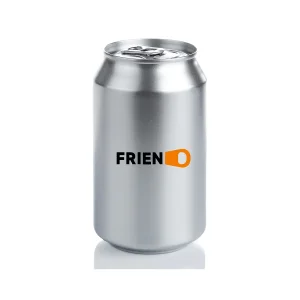
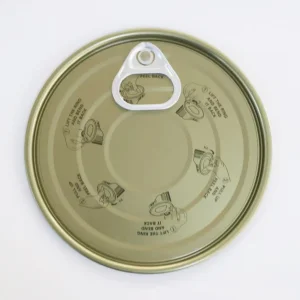
Kenya stands as the economic, financial, and logistical epicenter of East Africa. Driven by the government’s Vision 2030 economic roadmap and the expansion of the manufacturing sector under Kenya’s industrial development initiatives, the nation’s Fast-Moving Consumer Goods (FMCG), beverage, dairy, and agricultural processing industries are undergoing a massive transformation. Historically reliant on rigid plastics and traditional glass containers, Kenyan manufacturers are rapidly adopting food-grade aluminium cans and easy-open closures to align with evolving consumer preferences, stringent sustainability legislation, and regional export expansion across the East African Community (EAC) and the African Continental Free Trade Area (AfCFTA).
The imperative for this transition is accelerated by Kenya's proactive environmental policy framework. Following the landmark 2017 ban on single-use carrier bags and subsequent restrictions on non-biodegradable plastics in protected ecosystems, Kenya's Ministry of Environment and Forestry, along with the National Environment Management Authority (NEMA), has placed heightened scrutiny on non-recyclable packaging waste. Aluminium, celebrated globally for its infinitely recyclable nature—where nearly 75% of all aluminium ever produced remains in active commercial use today—offers Kenyan enterprise buyers a future-proof packaging vessel that fulfills both ecological imperatives and stringent corporate ESG metrics.
In urban centers such as Nairobi, Mombasa, Kisumu, and Nakuru, ready-to-drink (RTD) beverages, craft beer, sparkling water, energy drinks, and dairy-based protein powders are experiencing double-digit compound annual growth rates (CAGR). Aluminum cans provide absolute barrier protection against UV light, oxygen ingress, and atmospheric moisture—critical factors for maintaining shelf-life stability across Kenya's diverse climatic zones, ranging from humid coastal lowlands to high-altitude inland regions.
To withstand the rigorous physical stresses of long-distance transport via the Standard Gauge Railway (SGR) or heavy transit across regional road corridors connecting Mombasa Port to Eldoret and landlocked neighboring markets (such as Uganda, Rwanda, and South Sudan), metal packaging must be engineered to exacting structural tolerances. Our manufacturing processes utilize specific high-purity aluminium alloys formulated for structural integrity, drawing performance, and corrosion resistance.
| Packaging Metric | AA 3104-H19 Can Body | AA 5182-H48 End Shell | AA 8011 Powder Lid Stock |
|---|---|---|---|
| Tensile Strength (MPa) | 285 – 315 MPa | 360 – 400 MPa | 145 – 185 MPa |
| Yield Strength (MPa) | ≥ 270 MPa | ≥ 310 MPa | ≥ 110 MPa |
| Thickness Tolerance | ± 0.002 mm | ± 0.003 mm | ± 0.005 mm |
| Internal Coating System | Modified Acrylic / Epoxy-Free BPA-NI | BPA-NI Waterborne Organosol | Food-Grade Vinyl / Organosol |
| Corrosion Resistance | Salt Spray > 96 hrs (pH 4.0 - 7.5) | Citric Acid & CO2 Resistant | High Humidity Anti-Rust Foil Layer |
Kenya’s ambient storage environment presents unique challenges: high humidity and temperatures at the Mombasa port can accelerate micro-corrosion if raw metal surfaces are left exposed. All our aluminium beverage cans and easy-open ends feature advanced BPA-NI (Bisphenol A Non-Intent) internal spray coatings. Formulated with modified acrylics or high-performance polyester resins, these coatings create an impenetrable inert polymer matrix between the beverage/food formulation and the metal wall.
This barrier completely eliminates ion leaching, preserving the natural flavor profile, aroma, color, and carbonation levels of craft beers, carbonated soft drinks, dairy beverages, and acidic juices (such as passion fruit and mango pulps heavily processed in Kenya).
For Kenyan importers, packaging buyers, and bottling line plant directors, international freight management, sea-container volume optimization, and physical cargo protection during trans-oceanic shipping are paramount to operational profitability. Shipping empty aluminium cans—which are inherently light but bulky—requires precise volumetric engineering.
Our export logistics department optimizes container payload metrics using advanced bulk-palletizing configurations:
By routing shipments via direct ocean freight lines connecting Shanghai Port directly to the Port of Mombasa (Kilindini Harbour), transit times are compressed to approximately 20–25 days. Goods are cleared through customs into inland container depots (ICD Nairobi in Embakasi) efficiently, reducing demarrage risk and ensuring uninterrupted production schedules for filling plants in industrial zones like Baba Dogo, Industrial Area Nairobi, Thika, and Athi River.
Importing metal packaging products into Kenya requires strict adherence to national quality standards established by the Kenya Bureau of Standards (KEBS). Under the Pre-Export Verification of Conformity (PVoC) to Standards Program, all incoming consignments of food and beverage packaging materials must obtain a Certificate of Conformity (CoC) prior to shipment from the port of origin.
Shanghai Friend Metals Technology Co., Ltd. supplies complete regulatory documentation folders with every shipment, ensuring zero friction during customs clearance at Mombasa:
As the East African beverage market matures, branding differentiation and supply chain traceabilities are shifting toward high-tech packaging innovations. Over the next decade, our technical roadmap incorporates key innovations engineered to give Kenyan brands a distinct market advantage:
1. Ultra-Lightweighting & Material Savings: By leveraging advanced computer-aided die design and precision necking technology, we are reducing can body wall gauges from 0.097mm to 0.090mm while preserving 95+ kg axial crush strength. This reduces metal consumption per unit, lowering freight costs and total carbon footprint.
2. HD Digital Printing & Matte/Gloss Tactile Varnishes: Moving beyond traditional offset printing, our lines support high-definition 8-color printing, tactile spot embossing, matte finishes, and thermochromic inks that change color when the beverage reaches optimal drinking temperature (ideal for premium Kenyan beers and RTD cocktails).
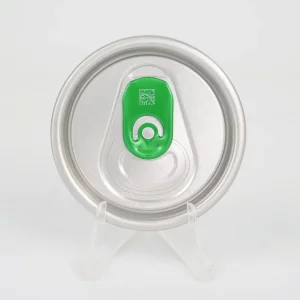
3. Anti-Counterfeiting & Smart QR Closures: Counterfeiting remains a challenge in regional East African consumer markets. We offer laser-etched QR codes on the underside of easy-open tabs and inside lid surfaces. Consumers scan the tab upon opening to verify product authenticity, participate in loyalty rewards, and trace supply chain provenance.
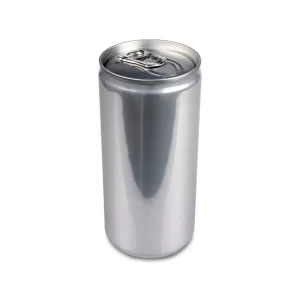
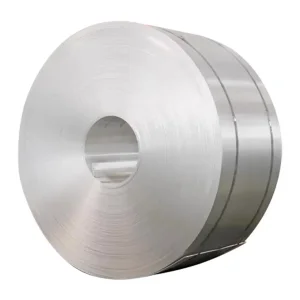
Explore our full line of beverage cans, specialized easy-open ends, non-magnetic powder lids, and raw aluminum coils ready for deployment across Kenyan factory lines.



Engineering insights covering MOQs, ocean freight lead times to Mombasa, KEBS verification, seamer compatibility, and coating safety.
Consult with our lead packaging engineers today to request technical drawings, sample kits, or a detailed quotation tailored for Port of Mombasa delivery.
Send Inquiry Now