Certified food-contact substrates, easy-open ends, and high-performance coil stock engineered specifically for high-speed automated canning lines.
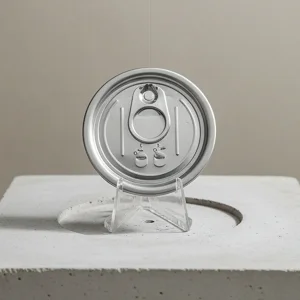

The global metal packaging and aluminum foil converter market is undergoing a seismic structural transformation. Driven by stringent international carbon border adjustments (CBAM), consumer rejection of single-use plastics, and elevated barrier requirements for extended shelf-life consumer goods, corporate buyers are restructuring their procurement matrices. Global wide aluminum foil factories and precision container manufacturers are no longer evaluated merely as raw commodity suppliers; they are integrated partners in metallurgical research, lightweighting engineering, and regulatory compliance.
Three core macro-economic vectors define current industrial demand across beverage, food processing, pharmaceutical, and industrial packaging sectors:
With aluminum retaining infinitely recyclable properties without structural degradation, global brands target 80%+ Post-Consumer Recycled (PCR) aluminum content. High-speed continuous casting facilities are reducing Scope 1 and Scope 2 emissions by integrating clean hydroelectric energy into primary smelting operations.
Down-gauging can walls down to 0.095mm and lid shells to 0.208mm without compromising axial column strength or internal pressure thresholds (up to 6.2 bar burst pressure) requires ultra-clean alloy chemistry control with tight magnesium and manganese tolerances.
Global food safety standards (FDA 21 CFR 175.300, EU 1935/2004, China GB 4806.10) mandate complete phase-out of Bisphenol-A epoxy resins. Next-generation acrylic, polyester, and organosol spray systems ensure zero taste migration across highly acidic energy drinks and pasteurized dairy goods.
Technical Insight for Buyers: Reducing coil thickness by just 0.01mm across a high-volume filling operation running 500 million units annually yields over 380 metric tons of raw aluminum savings, directly reducing freight weight and corporate carbon footprint metrics.
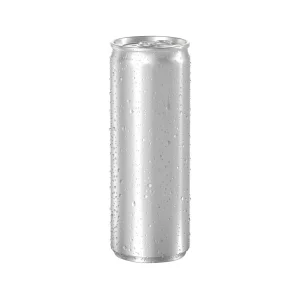
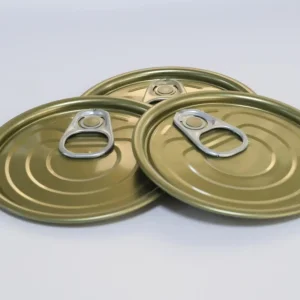
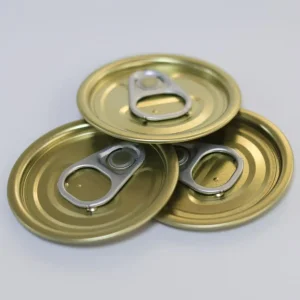
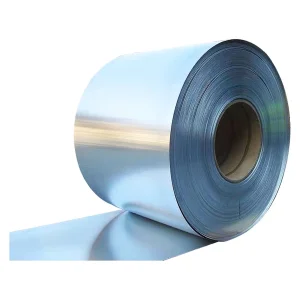
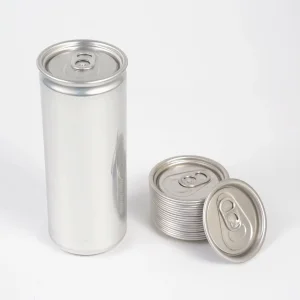
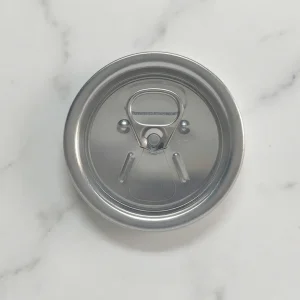
Sourcing managers and packaging engineers operating high-speed automated filling lines face complex trade-offs between mechanical performance, seam stability, lacquer integrity, and total landed cost. When procuring wholesale aluminum coil, beverage cans (Slim, Sleek, Standard formats), and easy-open ends (SOT, RPT, Powder Lids), procurement strategies must align with operational equipment parameters.
| Industry Sector | Substrate / Alloy Specification | Critical Performance Benchmark | Regulatory & Packaging Requirements |
|---|---|---|---|
| Carbonated Soft Drinks & Craft Beer | Can Body: 3104-H19 End Shell: 5182-H48 Tab: 5052-H19 |
Internal Pressure Resistance > 6.2 Bar Enamel Rater < 1.5 mA Pasteurization stability (68°C hold) |
BPA-NI coating system 202 SOT / RPT high-speed seaming match ISO 22000 Food Safety certified |
| Infant Formula & Nutritional Powders | Powder Lid Shell: 8011-H14 / 3003 Foil Membrane: 8011-O (Soft) |
Airtight seal integrity Zero micro-pinholes (< 6.3μm membrane) Peel force: 12 - 18 N |
Scope for nitrogen flushing (residual O2 < 0.5%) Cleanroom Class 100,000 stamping FDA food contact compliance |
| Retort Food & Canned Protein | End Shell: 307# / 401# Tinplate / 5182 Internal Coating: Organosol / Epoxy Phenolic |
Thermal resistance: 121°C for 30 min Sulfur-stain resistance Double seam vacuum retention |
Retort pouch / can hermetic seal standard GB 4806.10 & EU 10/2011 chemical migration pass |
| Industrial & Chemical Converting | Wide Aluminum Coil: 8011 / 1235 / 3003 Temper: O, H18, H24, H22 |
Tensile Strength: 80–180 MPa Thickness Tolerance: ±2% Slitting edge burr < 0.02mm |
RoHS & REACH SVHC compliance Anti-corrosion VCI sea-freight packaging |
Shanghai Friend Metals Technology Co., Ltd. has spent over 15 years perfecting the cold-rolling, lacquering, slitting, and stamping of food-grade aluminum packaging products. Operating out of Shanghai's maritime logisitcs hub, our engineering teams oversee quality controls from primary ingot selection to double-seam teardown tests on customer seaming lines.
In 3104-H19 Deep-Drawing Body Stock, coarse intermetallic particles lead to wall tear-offs during Drawing and Wall Ironing (DWI). Our continuous casting mills utilize inline ceramic foam filtration combined with ultrasonic degassing to ensure inclusion levels remain strictly below industrial thresholds. Manganese and magnesium content are balanced to deliver optimum strain hardening, allowing smooth flanging without micro-cracking.
Every batch of aluminum cans and easy-open lids undergoes automated high-voltage enamel rating. By placing a conductive salt solution inside the coated shell, an electric current measures lacquer integrity. Our production standard enforces an enamel rater value of < 2.0 mA (with premium beer lines held under 0.5 mA), preventing corrosion from aggressive ions such as chlorides, organic acids, and sulfur compounds.
Shipping precision-stamped aluminum lids and thin-walled cans across ocean transit routes introduces environmental risks including humidity degradation, salt-spray oxidation, pallet compression stress, and seam deformation. Friend Metals deploys export packaging protocols engineered for harsh ocean environments:
Looking toward the next decade of metal packaging innovation, Shanghai Friend Metals is investing heavily in digital quality inspection, material optimization, and smart operational features:
Answers provided by packaging engineers regarding alloy selection, minimum order quantities, compliance certification, and ocean shipment protection.
Explore our full line of powder lids, freeze-resistant ends, tinplate closures, and specialty beverage packaging.