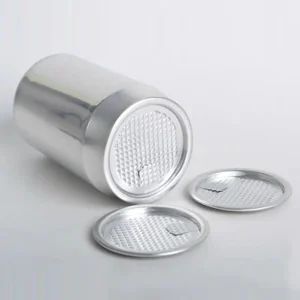
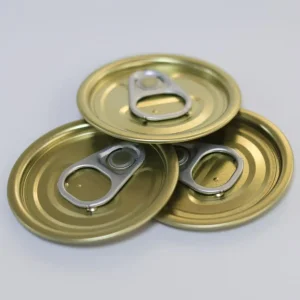
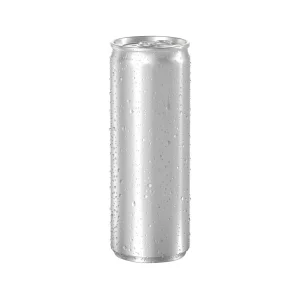
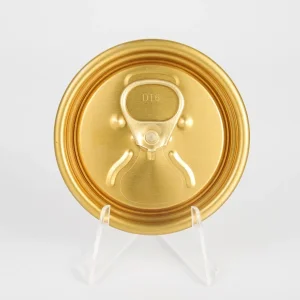
Explore our primary inventory of food-grade 330ml aluminum body cans, SOT/RPT easy-open ends, and hermetic tinplate lids manufactured to stringent ISO 22000 specifications.
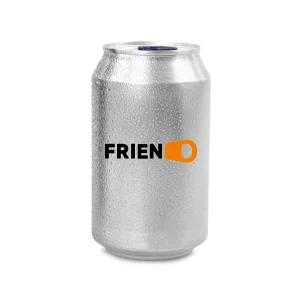
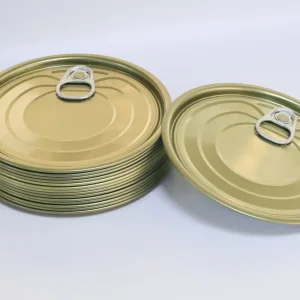
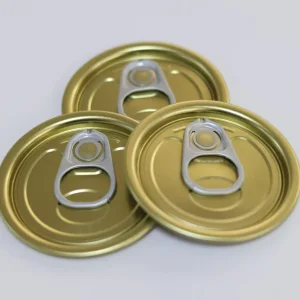
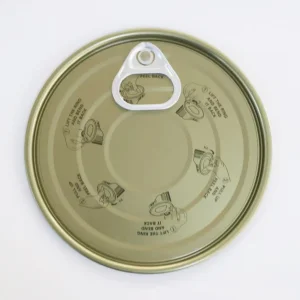
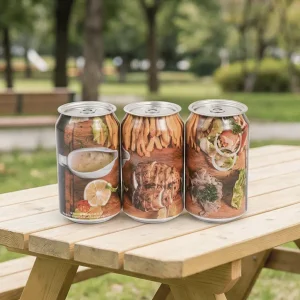
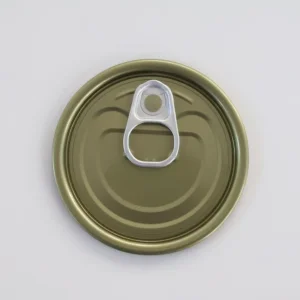
The global beverage packaging ecosystem relies heavily on the Standard 330ml Aluminum Can as the absolute baseline format for carbonated soft drinks (CSD), craft beer, RTD spirits, and functional hydration. Combining optimal volumetric efficiency with superior physical durability, this packaging format represents the pinnacle of modern draw-and-iron (DWI) metallurgy.
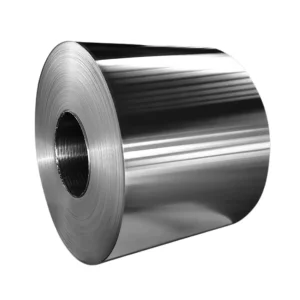
In high-throughput beverage filling operations running at speeds between 1,200 and 2,400 cans per minute (CPM), structural integrity, neck consistency, and double-seam precision dictate profitability and waste mitigation. The standard 330ml container is precision-drawn from premium AA3104-H19 aluminum alloy coil, engineered to achieve ultimate tensile strengths exceeding 290 MPa while allowing neck-down operations to standard 202 (52.5mm) or 206 (57mm) top openings.
Manufactured with strict dimensional tolerances (+/-0.05mm on height and wall gauge), ensuring smooth conveyance through high-speed depalletizers, optical inspection stations, and automated counter-pressure rotary seamers.
Utilizing next-generation Bisphenol A-Non-Intent (BPA-NI) and cross-linked acrylic/modified epoxy internal lacquers, preventing flavor scalping and ion migration in acidic (pH 2.5–3.8) or high-salt liquid matrices.
Aluminum cans boast a circular recycling rate exceeding 70% in primary markets. Used beverage cans (UBC) return to high-grade sheet coil in as few as 60 days, yielding a 95% energy reduction versus primary smelting.
The international market for rigid metal packaging continues to expand, driven by stringent single-use plastic bans, EU Packaging and Packaging Waste Regulation (PPWR) directives, and evolving consumer preference for premium, fast-chilling aluminum formats.
While North America historically anchored its filling logistics around the 12oz (355ml) standard format, Europe, the Middle East, Latin America, and Asia-Pacific overwhelmingly prioritize the standard 330ml diameter. This format allows regional filling plants to optimize pallet transportation density, conforming seamlessly to Euro-pallet (800x1200mm) and ISO standard pallet (1000x1200mm) configurations.
To assist brand owners and supply chain procurement officers in selecting the proper physical profile, the technical metrics below compare standard 330ml formats against alternative configurations:
| Format Parameter | Standard 330ml | Sleek 330ml | Slim 250ml | Standard 12oz (355ml) |
|---|---|---|---|---|
| Outer Body Diameter | 66.0 mm | 58.0 mm | 53.0 mm | 66.0 mm |
| Nominal Can Height | 115.2 mm | 145.0 mm | 134.0 mm | 122.0 mm |
| Neck Finish Code | 202 Diameter (52.5mm) | 202 or 200 Diameter | 200 Diameter | 202 Diameter |
| Base Alloy Temper | AA3104-H19 | AA3104-H19 | AA3104-H19 | AA3104-H19 |
| Top End Compatibility | SOT / RPT 202 End | SOT / RPT 202/200 | SOT / RPT 200 | SOT / RPT 202 End |
| Max Buckle Pressure | ≥ 6.2 bar (90 psi) | ≥ 6.5 bar (94 psi) | ≥ 6.8 bar (98 psi) | ≥ 6.2 bar (90 psi) |
High-efficiency beverage canning demands rigorous technical harmony between the container shell, internal protective lacquers, liquid carbonation levels, and double-seamer mechanical tolerances.
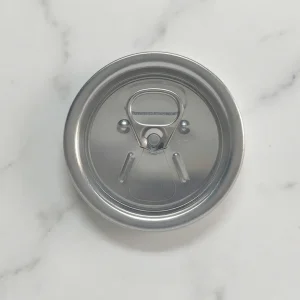
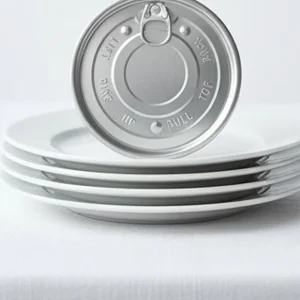
Achieving a hermetic seal requires precise control over countersink depth, seam height, seam thickness, and overlap percentage (≥45%). SOT (Stay-On Tab) and RPT (Ring Pull Tab) ends are stamped from ultra-tough AA5182-H48 alloy with 5052-H19 tab stock, preventing micro-leakage during tunnel pasteurization cycles reaching 62°C–68°C.
Nitrogen dosing systems inject precise liquid nitrogen droplets prior to seaming for still beverages (wine, tea, cold brew coffee), generating an internal pressure of 1.0–1.5 bar. This pressurization reinforces sidewall rigidity, allowing lightweight 330ml cans to withstand high vertical compression loads during transit.
Equipped with 6-to-8 color dry offset rotary printing presses running at up to 2,000 cans per minute. Advanced surface finishes include matte varnish, tactile spot embossed lacquers, metallic glossy coatings, and thermo-chromic inks for temperature-activated brand engagement.
Navigating cross-border trade demands absolute compliance with international food-contact safety standards, regional customs regulations, and rigorous transit packaging practices.
Fully compliant with U.S. FDA 21 CFR 175.300 (Resinous and polymeric coatings), EU Regulation (EC) No 1935/2004, EU 10/2011 plastic/chemical migration limits, and China National Standard GB 4806.10. Detailed migration test certificates accompany all shipping manifests.
Cans are layer-packed on heat-treated ISPM-15 compliant wooden or plastic pallets, separated by heavy-duty corrugated slip sheets, sealed with top wooden frames, and secured under automated high-tension stretch hoods to eliminate moisture ingress and maritime oxidation.
The versatile standard 330ml aluminum can serves multi-industry filling environments, adapting dynamically to various product chemistry and pressure demands:
Provides 100% protection against ultraviolet (UV) light degradation, which causes light-struck "skunked" flavors in hop-forward IPAs and lagers. Total dissolved oxygen (TDO) pick-up is minimized through precise 202 SOT double-seam geometry.
Formulated with high-grade organosol or modified epoxy linings capable of resisting aggressive alcohol-citrus acid matrix combinations, retaining product flavor integrity over an 18-month shelf life.
Resists internal carbonation pressures up to 4.2 volumes of CO₂, maintaining tight sidewall rigidity and clean opening pop-and-pull forces for on-the-go consumer convenience.
Seamlessly integrates with liquid nitrogen dosing systems to create smooth, cascading mouthfeel upon opening while giving non-carbonated liquids structural container firmness.
The future of standard 330ml metal packaging centers on structural lightweighting, digital traceability, and absolute decarbonization across the supply chain.
Pioneering AA3104 alloy refinement allows target wall thickness reductions down to 0.088mm without lowering axial crush strength below industrial 800N standards.
High-speed laser engraving of unique 2D Matrix QR codes on the inside or top surface of 202 SOT tabs, enabling anti-counterfeiting and interactive consumer engagement campaigns.
Transitioning to green hydro-powered aluminum ingot smelting and maximizing post-consumer scrap content to reach up to 85% recycled alloy composition by 2030.
Direct technical responses compiled by our packaging quality engineers for OEM/ODM global buyers.
Complementary metal packaging materials including high-purity aluminum coils, slim cans, and specialized easy-open lid profiles.