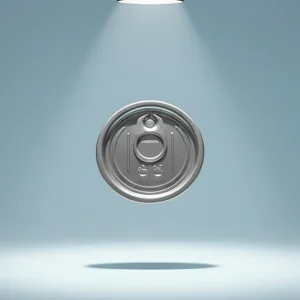
Wholesale Global Peel Off Lids Manufacturers & Products

Technical Whitepaper & B2B Procurement Engineering Standard for High-Barrier Peel-Off Ends, Foil Membranes & Metal Packaging Systems

1.2B+
Annual POL Unit Production
< 0.005
OTR (cc/m²/24h) Ingress Rate
100%
BPA-NI & PVC-Free Compliant
40+
Global Export Markets
Industry Whitepaper Analysis

The Evolution of Peel-Off Lids (POL) in Global Metal Packaging

Architectural Insights into Aluminum Foil Membrane Engineering, Hermetic Micro-Sealing, and Safety Assurance

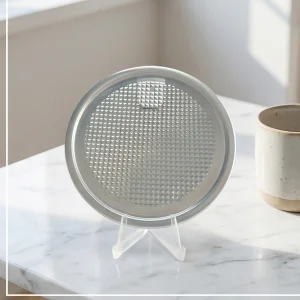
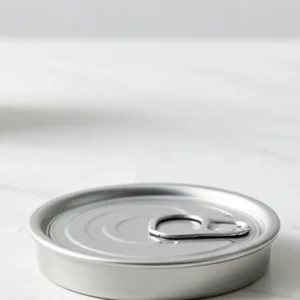
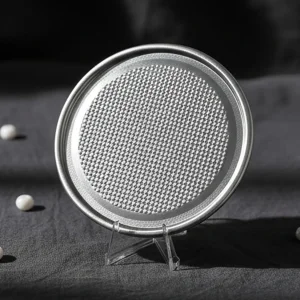
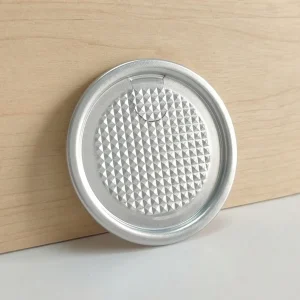
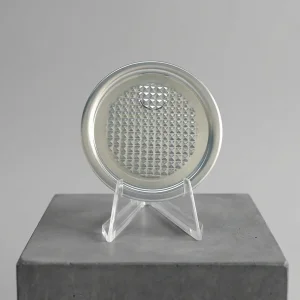
In the rapidly modernizing fast-moving consumer goods (FMCG), infant nutrition, pharmaceutical, and dry powder industries, Peel-Off Lids (POL)—frequently categorized alongside Peel-Off Ends (POE) and Flexible Foil Closures—have emerged as the definitive standard for safety, user convenience, and extended shelf-life protection. Unlike conventional full-aperture ring-pull ends (RPE) or rigid steel easy-open ends (EOE), engineered peel-off lids incorporate an ultra-thin, heat-sealed aluminum foil membrane attached to a rigid steel or aluminum perimeter ring.

This structural innovation completely eliminates the hazards of sharp metal edges upon opening while providing an absolute barrier against oxygen transmission rate (OTR) and water vapor transmission rate (WVTR). For enterprise procurement officers and packaging line engineers, selecting global peel-off lid manufacturers requires an exhaustive technical evaluation of substrate metallurgy, heat-seal lacquers, burst strength dynamics, and seam compatibility with high-speed automated filling machinery.

Comparative Metallurgy & Structural Anatomy: Peel-Off Membrane vs. Standard EOE

To establish a competitive advantage in shelf stability and brand safety, global procurement teams must understand the physical and chemical layers comprising modern peel-off closures:

Specification Parameter Aluminum Foil Peel-Off Lid (POL) Standard Rigid Easy-Open End (EOE) Technical Advantage / Gain
Membrane / Panel Material Alloy 8011-O / 1235 Soft Aluminum Foil (38µm - 60µm) Alloy 5182-H48 or Rigid Tinplate (0.18mm - 0.22mm) Puncture-resistant flexibility, reduced package weight
Perimeter Ring Substrate Tin-Free Steel (TFS) / Electrolytic Tinplate (ETP) / Alloy 5182 Single-piece scored metal plate Precision double-seam formation without scoring stress
Opening Safety Dynamics Zero sharp edges; smooth foil removal with low pull-force (< 6.0 N) Rigid metal tear line with sharp burrs and high initial pop force Prevents consumer cut injuries; 100% safety compliant
Hermetic Seal Method Induction heat-sealed polypropylene / organosol layer Compound rubber lining inside perimeter curl Eliminates micro-leak pathways around score lines
Retort & Vacuum Capability Specially formulated retort grade supports 121°C–131°C process Standard retort resistant Extends shelf life up to 36 months for wet/dry foods
R&D Horizon 2026-2030

Technical Roadmap & Future Outlook in Peel-Off Lid Manufacturing

How next-generation material science and smart manufacturing are transforming global metal packaging closures.

1. Next-Gen BPA-NI & PVC-Free Lacquers
Global compliance is shifting rapidly toward non-intent bisphenol A (BPA-NI) and non-fluorinated coat systems. Next-gen POL lines utilize advanced polyester-organosol and acrylic-based heat-seal coatings that maintain absolute adhesion under high thermal stress without toxic migration risks.
2. Laser Micro-Scoring & Delamination FEA
Finite Element Analysis (FEA) combined with sub-micron laser scoring guarantees peel force uniformity. By modeling interfacial stress between the aluminum foil substrate and the ring's polypropylene heat-seal rim, engineers eliminate premature bursting during air-freight depressurization.
3. Digital Serialization & Anti-Counterfeiting
High-value nutritional powders and pharmaceuticals require stringent authenticity. Future peel-off foil membranes integrate laser-etched QR codes and invisible UV fluorescent markers on the underside of the foil, enabling item-level supply chain tracking from Shanghai to global end-users.
Engineered Application Matrices

Macro-Industry Solutions for Global Enterprises

Custom-engineered peel-off ends formulated for specific thermal processing, oxygen sensitivities, and static mitigation.

Infant Formula & Dairy
Requires nitrogen-flush preservation (< 0.5% residual O2). Our 401# (99mm) and 502# (127mm) POL closures incorporate high-barrier laminate layers preventing moisture clumping and fat oxidation over 36-month shelf lifespans.
Pharma & Nutra-Powders
Equipped with conductive anti-static top coatings (209FA / 300# formats). Prevents fine botanical or pharmaceutical powders from electrostatically adhering to the underside of the foil membrane during filling operations.
Processed Food & Retort
Engineered to endure steam sterilization at 121°C for 60 minutes. Utilizing modified polypropylene heat-seal films, these 300# and 307# lids guarantee seal integrity during pressure differentials in steam retorts.
Electronics Grade Powders
Non-magnetic alloy rings paired with ultra-clean room manufacturing. Designed specifically for chemical reagents, high-purity metallic powders, and sensitive electronic materials susceptible to contamination.
Factory 4.0 Ecosystem

China Factory 4.0: Supply Chain Resilience & Efficiency Advantage

Inside Shanghai Friend Metals' Fully Automated Smart Manufacturing Operations

As multinational packaging buyers seek to optimize their total cost of ownership (TCO) while mitigating supply chain disruption risks, China's advanced packaging manufacturing infrastructure offers unmatched scale and precision engineering. Operating out of Shanghai—the world's premier shipping hub—Shanghai Friend Metals Technology Co., Ltd. has implemented a complete Industry 4.0 transformation across all easy-open end and peel-off lid conversion lines.

Key Automated Pillars of Manufacturing Excellence:

  • High-Speed Stolle & Minster Conversion Lines: Operating at speeds exceeding 1,200 ends per minute per line, ensuring exceptional dimensional repeatability in shell formation, curling, and tab riveting.
  • Real-Time High-Resolution Optical Inspection: Every produced lid passes through multi-camera vision inspection systems that detect micro-pinholes, lacquer scratches, foil misalignments, and double-feed defects down to 0.02mm tolerances with automatic pneumatic rejection.
  • In-Line Enamel Rater Testing: Continuous electrical current testing (6.3V DC) ensures lacquer continuity across 100% of production lots. Micro-ampere readings remain strictly under 2.0mA, guaranteeing zero corrosion when exposed to aggressive food acids or salt-brine solutions.
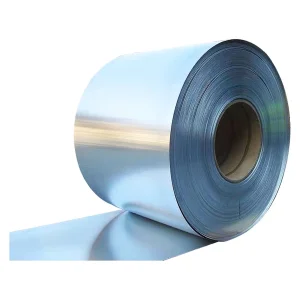
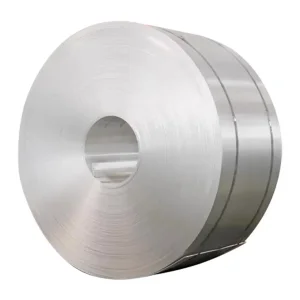
  • Upstream Alloy Integration: Direct strategic partnerships with top-tier aluminum rolling mills ensure full metallurgical traceability from 8011 coil slitting to final reel conversion. Every batch is delivered with 3.1 Material Test Certificates (MTC).
Procurement Protocol

Global Enterprise Procurement Requirements & Quality Engineering

Validation frameworks and double-seam engineering standards for international packaging engineers.

Qualifying a new wholesale supplier for peel-off lids involves more than pricing negotiations. For high-speed filling plants operating at 300–800 cans per minute, a micro-dimensional mismatch in lid curl or countersink depth can cause catastrophic line jams, seamer chuck slippage, or compromised double-seam integrity.

Seamer Matching
Custom profiling of end curl height, countersink depth, and radius to match global seamer brands including Ferrum, Angelus, Somme, and Montenas. Teardown reports are conducted prior to mass shipment.
Pop & Tear Force Optimization
Peel-off membranes must balance low opening force for elderly or pediatric users with high internal pressure resistance during altitude transport or thermal processing.
Freight Protection
Packed in hermetically sealed anti-corrosion polyethylene sleeves, placed in heavy-duty corrugated cartons or fiber drums, loaded on heat-treated ISPM-15 wooden pallets with stretch-wrap hoods.
Regulatory & Legal Assurance

Global Compliance Matrix & Localized Technical Support

Ensuring absolute legal and food-safety compliance across EU, North American, APAC, and MEA jurisdictions.

Entering international consumer markets demands absolute alignment with food-contact regulatory bodies. Every shipment of easy-open ends, aluminum coil, and peel-off closures from Shanghai Friend Metals is accompanied by a full regulatory dossier:

  • United States FDA Compliance: 21 CFR 175.300 (Resinous and Polymeric Coatings) migration compliance verified through independent laboratory testing.
  • European Union Framework: Regulation (EC) No 1935/2004 and Commission Regulation (EU) No 10/2011 for plastic/lacquer contact layers, along with EU 2018/213 Bisphenol restrictions.
  • China National Standards: Full compliance with GB 4806.10 (National Food Safety Standard for Food Contact Paint and Coatings) and GB 4806.9 (Metal Materials).
  • Religious & Ethical Certifications: Production lines operate under strict Halal and Kosher hygiene protocols, completely free from animal-derived lubricants or cross-contaminants.
Technical Knowledge Base

Frequently Asked Questions (Q&A) for Global Buyers

In-depth technical answers addressing engineering, metallurgy, quality assurance, and global logistics.

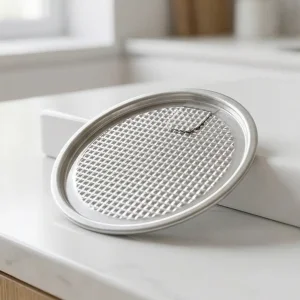
Q1: What are the primary structural differences between Peel-Off Lids (POL) and standard Easy-Open Ends (EOE)?
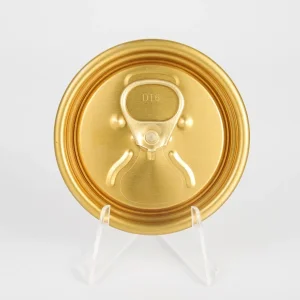
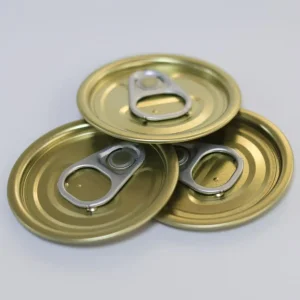
A: Standard Easy-Open Ends (EOE) consist of a single rigid metal plate (aluminum or tinplate) with a pre-scored tear line and attached metal ring pull tab. When opened, EOE leaves a sharp metal rim. In contrast, Peel-Off Lids (POL) combine a rigid perimeter ring (tin-free steel, tinplate, or aluminum) with an ultra-thin, heat-sealed aluminum foil membrane. Opening a POL requires minimal force and leaves no sharp metal edges, making it infinitely safer for consumer products like infant formula, coffee, and nutritional powders.
Q2: Which aluminum alloys are used for the foil membrane and perimeter ring in peel-off closure manufacturing?
A: The flexible peelable membrane typically utilizes soft-temper Alloy 8011-O or Alloy 1235 aluminum foil in thicknesses ranging from 38 to 60 microns, laminated with high-barrier polymer films (PE, PP, or PET). The perimeter ring uses Electrolytic Tinplate (ETP), Single/Double Reduced Tin-Free Steel (TFS), or high-tensile Alloy 5182-H48 aluminum coil depending on double-seaming and corrosion resistance requirements.
Q3: How do peel-off lids maintain airtight barrier integrity for sensitive products like infant formula?
A: Barrier performance is achieved through a multi-layer composite foil structure. The core soft aluminum foil provides absolute zero-transmittance for light, moisture, and oxygen. The inner contact layer consists of an engineered heat-seal organosol lacquer or cast polypropylene (CPP) film induction-sealed to the inner rim of the perimeter ring. This creates a hermetic seal capable of holding nitrogen-flushed atmospheres (< 0.5% O2) over 36-month shelf lives.
Q4: Are your peel-off lids suitable for thermal retort sterilization processing (e.g., canned food)?
A: Yes. We supply specialized Retort-Grade Peel-Off Lids engineered to withstand retort sterilization temperatures between 121°C and 131°C (250°F to 268°F) for up to 60 minutes under counter-pressure retorts. These feature modified polypropylene heat-seal lacquers that prevent delamination under thermal expansion.
Q5: What are the minimum order quantities (MOQ) and standard delivery lead times for global enterprise orders?
A: For standard diameter stocked sizes (such as 211#, 300#, 307#, 401#, and 502#), our trial MOQ starts at 100,000 pieces. For custom embossed foil membranes, specialized color lacquers, or non-standard diameters, MOQ is typically 300,000 to 500,000 pieces. Standard manufacturing lead time is 15 to 21 calendar days from artwork and specification approval, with ocean freight dispatch directly from Shanghai Port.
Q6: How do you prevent electrostatic powder cling during high-speed filling of fine pharmaceutical or electronic powders?
A: Fine botanical powders, pharmaceutical active ingredients, and electronic-grade metal powders build static charges during filling. We apply a specialized conductive anti-static top coating to the underside of our 209FA# and 300# aluminum lids. This dissipates surface charges, ensuring zero particle adhesion to the seal rim and preserving pristine heat-seal performance.
Q7: What quality control protocols are implemented to ensure zero micro-pinhole leaks in aluminum foil membranes?
A: Every coil of 8011 foil undergoes laser pinhole detection before lamination. Following stamping and ring-sealing, 100% of finished lids pass through high-speed automated optical vision sorters operating at 1,200 ppm. Any lid exhibiting a micro-crack, pinhole (> 20 microns), or lacquer anomaly is automatically rejected by high-pressure air jets.
Q8: Can we request custom double-seam engineering drawings and tooling profiles for our specific seamer machine?
A: Absolutely. Our packaging engineering department provides full 2D CAD and 3D STEP drawings for end curl height, thickness, countersink depth, and chuck profile radius. We routinely engineer lids compatible with Angelus, Ferrum, Somme, and Montenas high-speed canning equipment, supplying sample lots for preliminary double-seam teardown evaluation.