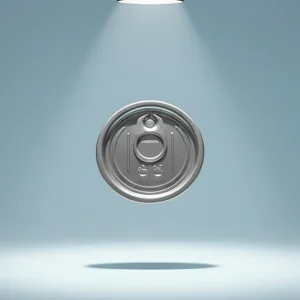
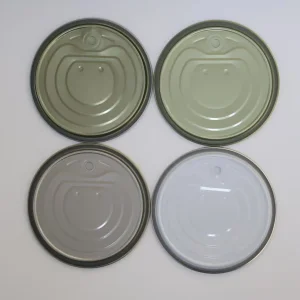
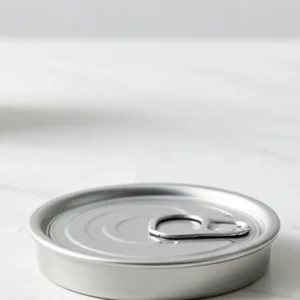
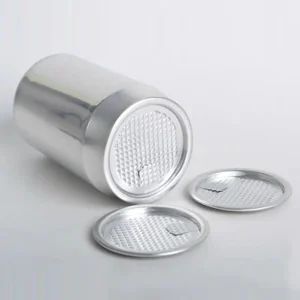
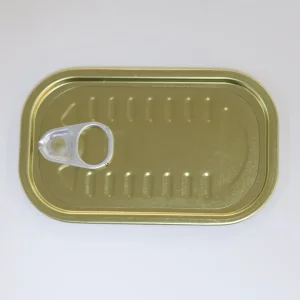
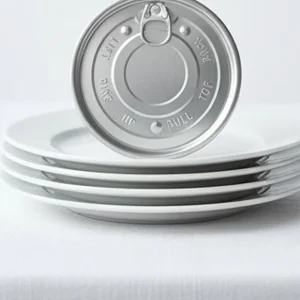
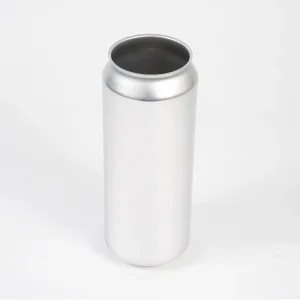
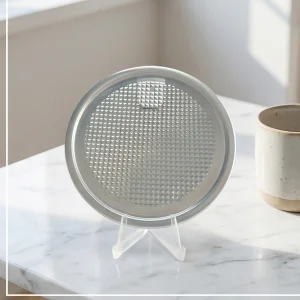
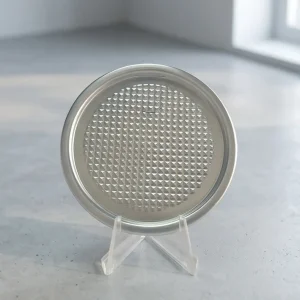
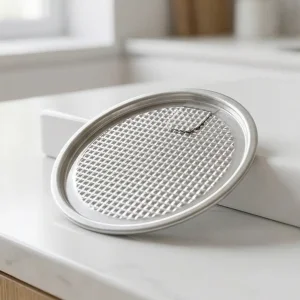
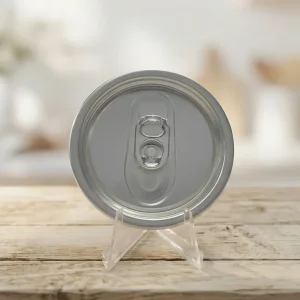
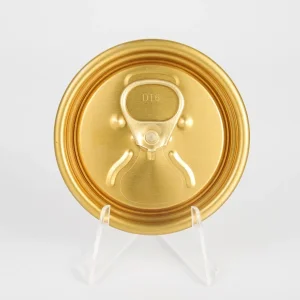
Explore our industrial-grade aluminum cans, easy-open ends, and specialized tinplate lids engineered for high-speed automated filling lines.
Analyzing supply chain transformations, metallurgic advancement, and high-speed canning engineering in the global beverage sector.
The global metal beverage container market is projected to exceed USD 65 billion by 2030, expanding at a CAGR of 5.8%. Driven by consumer shifts away from single-use plastics and stringent municipal ESG directives, aluminum has consolidated its status as the most sustainable packaging substrate in the fast-moving consumer goods (FMCG) ecosystem.
Aluminum cans boast an unparalleled infinite recyclability metric. Approximately 75% of all aluminum ever produced globally remains in active commercial use today. Re-smelting recycled beverage cans consumes 95% less energy than primary aluminum extraction, drastically trimming Scope 3 carbon emissions for global brand owners.
Modern high-speed Drawn and Wall Ironed (DWI) production lines operate at speeds surpassing 3,000 cans per minute. Achieving wall thickness tolerances down to ±0.001mm ensures maximum structural integrity during high-pressure carbonation, pasteurization, and transcontinental intermodal transit.
Selecting a wholesale soda can manufacturing partner requires rigorous technical evaluation beyond per-unit pricing. True supply chain resilience depends on alloy homogeneity (3104-H19 body vs. 5182-H48 end stock), high-efficiency internal lacquer distribution to prevent pinhole corrosion, and seamless mechanical compatibility with automatic double seamers (e.g., Ferrum, Angelus).
How concentrated industrial clusters, advanced metallurgy, and port-adjacent infrastructure deliver unparalleled cost-efficiency and technical quality.
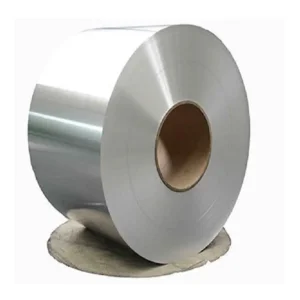
China hosts the world's most concentrated aluminum manufacturing clusters. From bauxite refining and precision coil rolling (alloys 3104, 5182, 5052, 8011) to high-speed can pressing and surface coating, every production node is geographically co-located. This minimizes intermediate transit times, mitigates raw material price volatility, and eliminates supply bottleneck risks for international bulk buyers.
Leading Chinese facilities integrate high-resolution AI vision inspection systems directly into the production flow. Automated optical cameras inspect 100% of cans and easy-open lids for micro-dents, rim deformation, lacquer voids, and tab alignment at production speeds. Enamel rater testing (mA) and double-seam teardown analytics are logged per shift for complete traceability.
Situated near premier deep-water container hubs like Shanghai and Ningbo-Zhoushan, manufacturing facilities execute optimized container packing patterns. Specialized bulk palletization—incorporating wood top frames, moisture-barrier kraft slip sheets, and heat-shrinkable stretch hooding—guarantees transit stability during transoceanic shipping.
A deep technical breakdown of aluminum alloys, internal protective coating systems, and dimensional standardization for global beverage and powder filling.
Modern soda can manufacturing is a discipline of extreme mechanical precision. The transformation of raw aluminum coil into an ultra-thin, pressure-resistant beverage container involves multiple drawing, ironing, necking, and doming stages. Understanding the physical parameters of the alloy and internal protective barrier systems is vital for cross-border procurement managers.
| Component Part | Aluminum Alloy | Temper / Gauge Range | Key Mechanical Properties | Primary Industrial Application |
|---|---|---|---|---|
| Can Body (Standard/Sleek/Slim) | AA 3104 | H19 (0.24mm - 0.28mm) | High deep-drawability, uniform wall ironing, superior column strength | Carbonated soft drinks, beer, sparkling cider, RTD teas |
| Easy-Open Lid / Shell Stock | AA 5182 | H48 (0.21mm - 0.24mm) | High buckle pressure resistance (up to 6.2 bar), tensile score strength | 200#, 202#, 206#, 209#, 307#, 401#, 502# SOT/RPT ends |
| Pull Tab Stock | AA 5052 | H19 / H38 (0.30mm - 0.38mm) | High rivet strength, optimal bend ductility, clean fracture tear | Stay-On Tab (SOT) and Ring Pull Tab (RPT) mechanisms |
| Specialty Powder / Lidding Coil | AA 8011 / 3105 | O / H14 (0.18mm - 0.30mm) | Superior moisture barrier, gas-tight seal, puncture resistance | Infant formula, pharmaceutical powders, gourmet spices |
The internal spray coating of a soda can is its most critical food-safety barrier. It prevents corrosive interaction between acidic liquid formulations (phosphoric acid in colas, citric acid in fruit sodas) and the aluminum substrate. Global regulatory bodies, including the US FDA, European Food Safety Authority (EFSA), and China's National Health Commission (GB standards), have accelerated the transition toward BPA-NI (Bisphenol A Non-Intent) internal lacquers.
Offers excellent adhesion to drawn aluminum, high mechanical flexibility during necking and flanging, and exceptional flavor neutrality. Ideal for standard carbonated soft drinks and water.
Provides robust chemical resistance against high-acid formulations, high-sulfur liquids, and alcohol-infused beverages (RTD spirit cocktails, wine-based coolers). Prevents flavor scalp and metal leaching.
Formulated for eco-efficient high-speed application. Curable in direct-fired gas ovens within 45 seconds at 190°C–205°C, ensuring zero volatile organic compound (VOC) residual impact.
Engineered metal packaging configurations designed for specific beverage viscosity, pressure loads, thermal processing, and shelf-life criteria.
Sodas require packaging built to withstand internal pressures up to 60–90 PSI (4.1 to 6.2 bar) at ambient storage temperatures. Utilizing 202# SOT (Stay-On Tab) aluminum ends with reinforced countersink geometry ensures that structural dome reversal or end buckling is completely mitigated during hot-climate transit.
Oxygen ingress is the primary catalyst for craft beverage degradation. Aluminum cans offer a 100% absolute light barrier and zero oxygen transmission rate (OTR). Coupled with precision double-seam ends, canned beer retains fresh aromatic hop profiles and carbonation stability without UV-induced skunking.
Non-carbonated nitrogen-dosed beverages (such as cold brew coffee and botanical teas) rely on liquid nitrogen injection immediately prior to seaming to build internal pressure for structural column rigidity. Our lightweighted 200# and 202# sleek ends accommodate liquid N2 dosing without seam distortion.
For infant formula, protein powders, and gourmet spices, airtightness and moisture protection are non-negotiable. Large-format aluminum ends (300#, 307#, 401#, 502#) featuring easy-open foil membranes or transparent-top windows deliver tamper-evident protection and extended shelf life under variable climate conditions.
Beyond liquid refreshment, monobloc and three-piece aluminum/tinplate cans serve personal care, automotive, and pharmaceutical sectors. Precision neck-in geometry and seamless bottom domes guarantee pressure resistance against propellant gas blends.
Ready-to-drink premixed spirits require reinforced internal organic linings to resist ethanol and complex organic acids. Double-pass interior lacquer coating protects alcohol proof integrity and prevents can wall corrosion over 24-month storage lifespans.
A buyer's guide to supplier audit protocols, double-seam verification metrics, and international regulatory compliance.
Enterprise procurement teams auditing soda can manufacturing suppliers must mandate strict adherence to global food-contact standards and mechanical performance metrics. Below are the key compliance indicators evaluated during supplier qualification:
Manufacturing facilities must maintain current certifications under FSSC 22000, ISO 9001, and ISO 14001. Raw materials and finished components must fully comply with FDA 21 CFR 175.300, EU Regulation 1935/2004, and China National Standard GB 4806.10 for food-contact migration safety.
The double seam formed between the can body flange and easy-open end curl is the singular defense against leakage and biological contamination. Critical parameters specified for seamer line calibration include:
Internal coating integrity is verified via low-voltage electrical current testing (Enamel Rater test). Standard commercial specifications mandate a reading of < 2.0 mA across 100% of tested samples, ensuring complete isolation between liquid fill and metal surface.
Wholesale soda can manufacturing typically operates on container-load economies. Standard bright (unprinted) cans start at 20ft/40ft ocean container volumes, while custom 6-to-8 color printed cans require an MOQ of approximately 100,000 to 150,000 units per artwork SKU due to high-speed line setup and printing plate calibration. Standard easy-open ends (202# SOT/RPT) are stocked in high volumes to support trial orders starting from 200,000 pieces.
Direct technical answers addressing seamer integration, corrosion testing, coating integrity, freight protection, and custom tooling.
Can bodies are drawn from AA 3104-H19 alloy coil, offering high tensile strength and superior deep-drawability for wall ironing. Easy-open lids use AA 5182-H48 shell stock for maximum buckle resistance under carbonation pressure, while pull tabs are stamped from AA 5052-H19 for clean riveted flexibility.
Every batch undergoes automated spray-pressure lining followed by high-temperature oven curing. We test coating continuity using an Enamel Rater (target < 2.0 mA) and conduct accelerated temperature pack-tests with acid solutions to confirm zero liner degradation over extended shelf lives.
Yes. Our 200#, 202#, 206#, and 307# ends conform strictly to ISO/ANSI standardized neck dimensions and double-seam profiles. They integrate smoothly with leading high-speed seamer brands including Ferrum, Angelus, Cask, and Krones without requiring custom chuck re-tooling.
Cans are stacked on export-grade heat-treated pallets with top solid wooden frames, corner protectors, and high-tension stretch hood film wrapping. Ends are packed in moisture-proof polyethylene sleeves inside reinforced cardboard cartons with internal desiccants to prevent humidity oxidation during sea transit.
Absolutely. High-speed dry offset printing lines support up to 8 colors. Available specialty finishes include high-gloss varnish, ultra-matte coating, tactile sand-touch feel, thermo-chromic temperature-sensitive inks, and custom end-tab color anodizing.
Every commercial export lot is accompanied by a full technical package: Mill Test Certificates (MTC) for coil alloy, Food Contact Compliance Declarations (FDA/EU), Migration Test Reports, Heavy Metal Analysis (RoHS/REACH), and Quality Inspection Certificates covering seam teardown analytics.
Explore our complete catalog of precision-stamped aluminum lids, easy-open ends, and industrial coils available for direct export shipment.