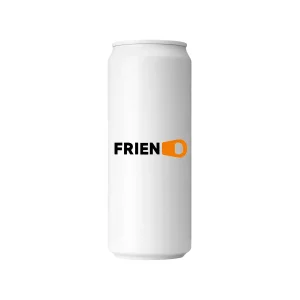
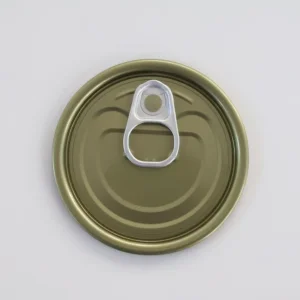
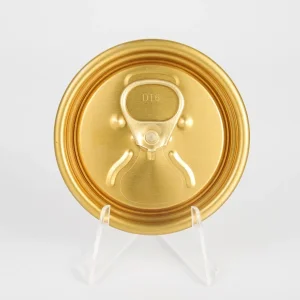
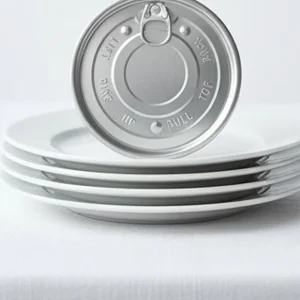
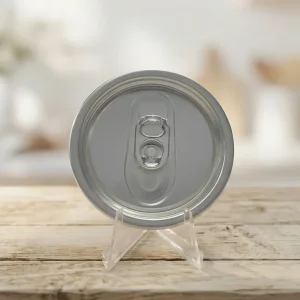
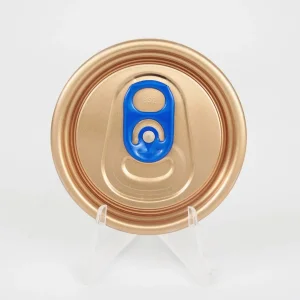
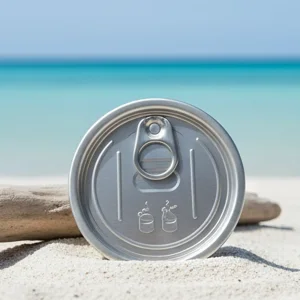
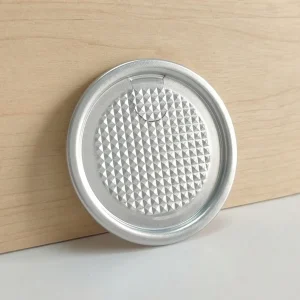
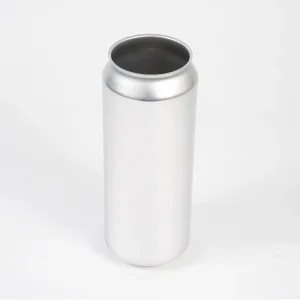
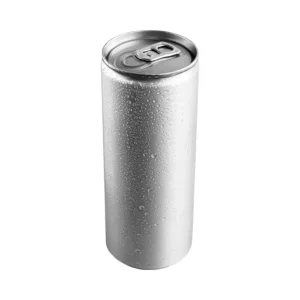
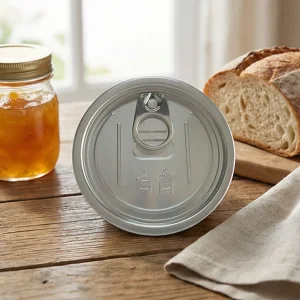
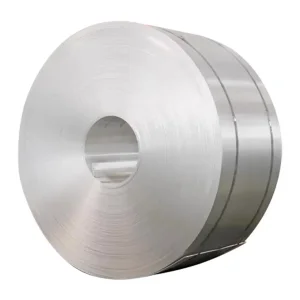
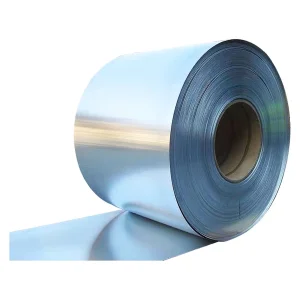
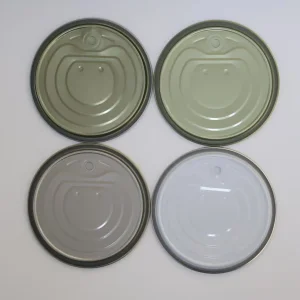
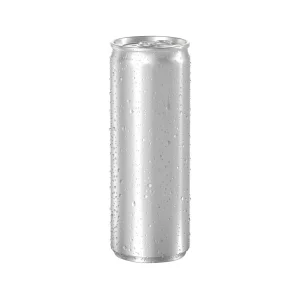
Explore our core catalog of food-grade aluminum cans, specialized easy-open ends, and premium aluminum coils optimized for high-speed filling lines.
Analyzing macroeconomic shifts, sustainability mandates, and technological transformations in the global Rigid Metal Packaging Sector.
The global metal packaging industry is undergoing a structural paradigm shift driven by stringent global environmental regulations, rising consumer preference for infinitely recyclable packaging materials, and the rapid expansion of ready-to-drink (RTD) beverages, craft beers, functional nutraceuticals, and specialty dry foods. At the apex of this industrial ecosystem are Easy Open End (EOE) manufacturers and 2-piece drawn and wall-ironed (DWI) aluminum can producers. Easy Open Ends—comprising Stay-On Tab (SOT) mechanisms for carbonated beverages and Ring Pull Tab (RPT) or Peel-Off Ends (POE) for canned foods and dry powders—represent one of the most mechanically complex precision-stamping challenges in modern high-speed manufacturing.
Global procurement teams face multifaceted challenges, including raw material price volatility (specifically LME aluminum and tinplate coil benchmark prices), evolving food safety standards regarding internal lacquers (e.g., the global transition from Bisphenol-A to BPA-NI / BPA-Non-Intent coatings), and the imperative for extreme lightweighting without sacrificing axial column strength or buckle pressure resistance.
Unlike rigid plastics, aluminum can be recycled infinitely without loss of physical properties, utilizing 95% less energy than primary smelting. Leading EOE manufacturers are integrating high-content recycled coil (scrap/post-consumer scrap) into their supply chain.
Transitioning from traditional epoxy-phenolic linings to next-generation acrylic and polyester BPA-Non-Intent (BPA-NI) lacquers ensures total compliance with US FDA 21 CFR 175.300 and EU Regulation 1935/2004 standards.
Utilizing high-tensile 5182-H48 aluminum alloy for end shells and 3104-H19 for can bodies allows manufacturers to reduce gauge thickness down to 0.208mm while maintaining internal burst pressure ratings over 6.2 bar.
Understanding alloy selection, temper states, scoring residual dimensions, and double-seam geometry critical for automated seamers.
The manufacturing of Easy Open Ends and two-piece aluminum beverage cans relies heavily on precision metallurgy. Different sections of the packaging require distinct mechanical properties—ranging from high yield strength and work-hardening capacity to superior formability and chemical resistance.
| Component / Product | Alloy & Temper | Nominal Gauge Range | Key Mechanical Properties | Primary Application |
|---|---|---|---|---|
| Can Body Stock | 3104-H19 / 3004-H19 | 0.245mm – 0.280mm | High tensile strength (≥290 MPa), low earing percentage (<2%) | DWI Beverage Can Bodies (250ml, 330ml, 355ml, 500ml) |
| EOE Shell Stock | 5182-H48 / 5182-H19 | 0.208mm – 0.225mm | Exceptional fatigue resistance, high yield strength (≥310 MPa) | SOT & RPT Easy Open End Shells (200#, 202#, 206#) |
| Tab Stock | 5052-H19 / 5052-H38 | 0.350mm – 0.400mm | Superior bending formability, zero fracture risk during tab rivet forming | EOE Stay-On Tabs & Ring Pull Mechanisms |
| Lid Foil Stock | 8011-O / 8011-H18 | 0.180mm – 0.300mm | High barrier properties, zero pinholes, excellent lacquering adhesion | Powder Lids, Peel-Off Foil Membranes, Pharmaceutical Seals |
| Sanitary Food Ends | Tinplate (MR Grade, T3/T4) | 0.170mm – 0.230mm | High stiffness, thermal retort resistance (121°C/131°C) | Food Canned Vegetables, Protein, Processed Meat (307#, 401#, 603#) |
In high-speed beverage filling lines operating at speeds up to 2,000 cans per minute, single-micron dimensional deviations can cause devastating seam jams or micro-leaks. Global leading EOE manufacturers adhere to three vital mechanical parameters:
The score line engineered into an easy-open lid must strike a delicate balance. The Pop Value (initial force required to pierce the score line) must be low enough for effortless consumer opening (typically 15–28 N), while the Pull Force (force to tear open the aperture) must remain consistent without tab detachment.
Internal lacquer integrity is verified via Enamel Rating testing (measuring current leakage in milliamperes, target <2.0 mA). This prevents aggressive beverage matrixes (low pH soft drinks, craft beers, cider) from coming into contact with bare metal and oxidizing.
Beverage cans filled with carbonated liquids build internal pressures reaching 4.0 to 5.5 bar during pasteurization or warm ambient transport. High-grade 202# and 200# SOT ends feature dome-contoured countersinks that withstand internal pressures in excess of 6.2 bar before buckling.
Why Chinese metal packaging hubs deliver unmatched cost-efficiencies, tooling flexibility, and massive scale to global buyers.
China has established itself as the world’s most efficient cluster for aluminum rolling, can converting, and high-speed EOE stamping. Advanced facilities in key industrial hubs (such as Shanghai, Jiangsu, and Zhejiang) leverage complete vertical integration—ranging from primary aluminum refining and precision coil slitting to high-speed multi-die conversion lines.
Utilizing state-of-the-art Minster, Stolle, and Buhrke multi-lane conversion presses running at up to 3,000 ends per minute ensures unmatched volumetric output and strict unit-cost minimization.
100% online high-speed optical inspection systems monitor score depth, tab alignment, compound lining weight, and rim curl dimensions in real-time, instantly rejecting any sub-millimeter defects.
Direct access to Shanghai Port—the world’s busiest container gateway—enables rapid sea-freight dispatch, optimized container loading patterns, and seamless customs documentation clearance for global destinations.
From craft beer pasteurization to infant formula airtight sealing—tailoring metal packaging to precise product formulations.
Demands 202# or 200# SOT lids with high buckle resistance (>6.2 bar) and specialized internal organosol/acrylic liners capable of resisting high acidity (pH 2.5–3.8) and maintaining CO2 carbonation pressure over 18 months of shelf life.
Requires large-diameter ends (401#, 502#) featuring transparent-top panels or aluminum peel-off membranes (POE) with zero-oxygen ingress barrier properties, ensuring zero degradation of delicate nutritional fats and proteins.
Utilizes 307# or 401# Tinplate or aluminum Full-Aperture Easy-Open Ends (EOE) engineered with retort-grade coatings capable of withstanding thermal sterilization cycles reaching 121°C to 131°C under high overpressure.
Employs specialized anti-static 300# or 305# aluminum lids designed to prevent fine particle adhesion along seaming margins, preserving hermetic seal integrity in dust-sensitive packaging environments.
Key considerations for contract beverage co-packers, regional brand owners, and industrial buyers when qualifying suppliers.
Procuring metal packaging at global scale requires rigorous evaluation beyond simple FOB unit prices. Operational failures on high-speed filling lines can result in downtime costs that far exceed initial per-unit savings. Strategic procurement officers evaluate suppliers across four core technical vectors:
Verification of chuck and seaming roll profiles (e.g., Ferrum, Angelus, Continental Can seamer setups). EOE rim curl width, thickness, and countersink depth must precisely match seaming tool geometry to prevent false seams or cut-overs.
Matching internal lacquer chemistry (BPA-NI Epoxy-Acrylic, Polyester, or Polyorganosol) to the chemical aggressive factor of the product (organic acids, alcohol percentage, free sulfur content, copper ions).
Plain bright cans start at one 20ft container; custom printed cans (up to 8-color dry offset printing with matte/gloss spot varnishes) typically require 100,000 units per design to optimize press setup efficiency.
Ensuring ends are packed in heavy-duty polyethylene paper sleeves within wooden crates/fibre drums containing silica desiccant bags to eliminate moisture condensation and transit oxidation during long ocean voyages.
Detailed responses to common inquiries from packaging engineers, procurement leads, and quality assurance directors.
Can bodies are typically drawn from 3104-H19 or 3004-H19 aluminum coil due to its optimal balance of deep-drawing malleability and high tensile strength after ironing. Easy Open End (EOE) shells are stamped from 5182-H48 or 5182-H19 aluminum coil, which offers superior yield strength to resist internal carbonation pressure without dome buckling. Stay-on tabs are made from 5052-H19 alloy to withstand repeated bending stress during opening.
BPA-NI internal coatings utilize alternative chemical resin bases—primarily acrylic, polyester, or polyorganosol—eliminating bisphenol-A compounds entirely. Modern BPA-NI linings achieve identical performance in terms of cross-hatch adhesion, flexibility during necking/flanging, and chemical resistance against corrosive beverages, fully satisfying US FDA 21 CFR 175.300 and European Commission Regulation (EU) No 10/2011 standards.
The numerical designations represent standardized end diameter codes (measured in 16ths of an inch). A 206 end measures 2 and 6/16 inches (~60mm), a 202 end measures ~52.5mm, and a 200 end measures ~50mm. Moving from a 206 neck down to a 202 or 200 neck (lightweighting/diameter reduction) significantly reduces metal consumption per lid while preserving liquid fill volumes, offering substantial cost and sustainability advantages.
Leading manufacturers conduct rigid Statistical Process Control (SPC), including automated optical pinhole detection, enamel rating tests (<2.0 mA target), score depth residual measurements (controlled within ±0.002mm), and destructible seam teardown analysis (checking overlap percentage, body hook, cover hook, and wrinkle rating) prior to lot release. Sample lots are routinely test-run on customer seamers (e.g. Ferrum or Angelus) before mass production shipments.
Standard unprinted/bright aluminum cans and stock easy-open end sizes (e.g., 200# SOT, 202# SOT, 307# food ends) have an MOQ of one 20ft container (approx. 200,000 ends or 50,000 cans depending on format) with lead times of 10 to 15 working days. Custom printed cans requiring artwork plate preparation have an MOQ of 100,000 units per artwork SKU with standard lead times of 20 to 25 days from final pre-press proof approval.
Easy Open Ends are sleeve-wrapped in heavy-gauge polyethylene film, packed into corrugated cartons or fibre drums with industrial silica gel desiccants, and palletized on heat-treated ISPM-15 compliant wooden pallets with full stretch-hood film wrap. Can bodies are stacked on bulk pallets using rigid top frames and heavy kraft slip-sheets, ensuring zero movement and complete moisture protection across extended sea voyages.
Discover specialty large-format aluminum cans, powder packaging ends, and high-performance tinplate closure options.