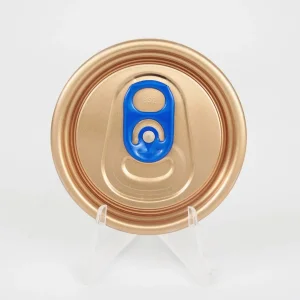
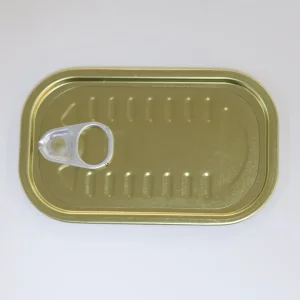
Direct factory supply of precision-stamped aluminium ends, high-barrier tinplate lids, and standardized beverage container formats.
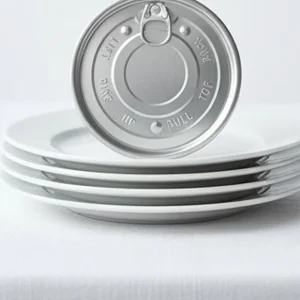
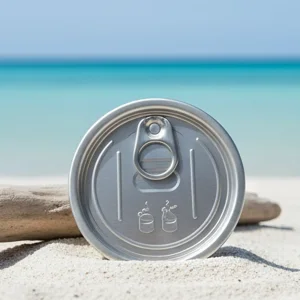
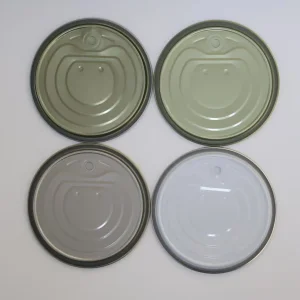
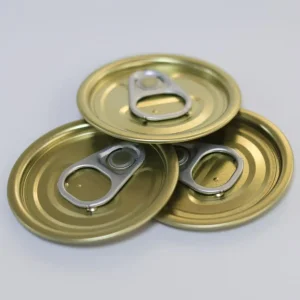
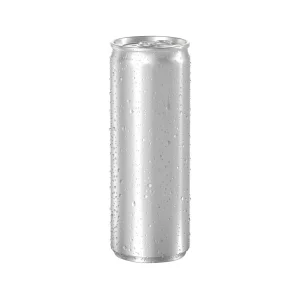
An engineering breakdown of substrate selection, grain structure control, and internal barrier polymer chemistry in modern rigid and semi-rigid aluminum container manufacturing.
In the contemporary global packaging ecosystem, the transition toward infinite recyclability, zero oxygen transmission rate (OTR), and structural lightweighting has positioned container foil and rigid aluminum substrates at the apex of material science. As a global leading container foil aluminum factory and supplier, our engineering focus encompasses the entire metallurgical value chain—from precise alloy formulation and hot/cold rolling tempers to high-speed die stamping and specialized food-contact barrier coatings.
Formulated with controlled manganese (1.0-1.5%) and magnesium (0.8-1.3%) additions, 3104-H19 delivers exceptional work-hardening capabilities required for Deep Drawing and Wall Ironing (DWI). High tensile strength (>275 MPa) enables ultra-thin wall gauges down to 0.095 mm while retaining column strength under vertical axial compression.
Engineered specifically for easy-open beverage lids (SOT/RPT). Higher magnesium content (4.0-5.0%) achieves maximum yield strength and fatigue resistance. This guarantees high buckle pressure thresholds under intense internal carbonation (>6.2 bar) while allowing clean rivet formation without micro-fracturing.
8011 iron-silicon alloyed foil provides supreme ductility and zero-pinhole integrity at low gauges (0.018-0.09mm) for peelable foil container lids. 5052-H32 supplies high shear strength for opening tabs, assuring smooth score-line tearing without tab yield or detachment.
Anticipating regulatory shifts, decarbonization imperatives, and automated inline quality verification across advanced metal packaging facilities.
Through thermomechanical processing refinements and grain structure homogenization, our metallurgical engineering roadmap targets a further 6-8% reduction in body wall thickness and end shell gauge by 2028. Utilizing finite element analysis (FEA), container bead profiles are optimized to prevent paneling under vacuum conditions while minimizing raw material mass per unit.
Global compliance frameworks (FDA, EFSA, EU 2024/1987) mandate the total phase-out of bisphenol A and epoxy coatings. Our factory has fully transitioned to Non-BPA (BPA-NI) acrylic, polyester, and modified polyolefin organosol lacquers. These advance-formulation internal coatings withstand aggressive low-pH beverages (citric acid, phosphoric acid) without flavor taint or metal migration.
High-speed stamping lines (operating up to 3,000 ends per minute) are equipped with multi-camera AI optical inspection systems. High-resolution CCD sensors evaluate score line depth consistency, compound gasket distribution, curl symmetry, and micro-pinhole detection in real time, rejecting defective items before palletization.
Tailoring container foil, easy-open ends, and aluminum cans to meet distinct regional filling protocols, climate conditions, and regulatory barriers.
| Target Region | Primary Industrial Sector | Key Packaging Specification | Localized Engineering Solution |
|---|---|---|---|
| North America (USA/Canada) | Craft Beer, RTD Cocktails & Carbonated Soft Drinks | 202# SOT / 355ml & 473ml Standard & Sleek Cans | High buckle pressure resistance (>90 psi), BPA-NI lining compliant with FDA 21 CFR 175.300, compatible with high-speed automated seamers (Angelus/Ferrum). |
| European Union (EU) | Infant Nutrition, Processed Foods & Dairy | 502# & 401# Easy-Open Ends, Peelable Foil Lids | EU Regulation 1935/2004 and REACH compliance. Hermetic seal compound with ultra-low oxygen ingress for extended shelf-life under modified atmosphere (MAP). |
| Middle East & Africa (MEA) | Milk Powders, Dry Foods & Canned Meats | 300#, 307#, 401# Tinplate & High-Barrier Aluminum Lids | Reinforced anti-corrosion exterior lacquers formulated to withstand high humidity, coastal ambient salt spray, and non-climate-controlled logistics networks. |
| Asia-Pacific (APAC) | Functional Energy Drinks, Tea & Electronics Powders | 200# & 206# RPT/SOT Ends, Anti-Static Powder Lids | Static-dissipative interior coatings preventing powder adhesion to score lines; compact slim and sleek formats optimized for automated vending networks. |
Leveraging raw material integration, advanced automation, and deep seaport proximity to guarantee lead time certainty for international enterprise buyers.
Our manufacturing matrix benefits from direct integration with tier-one aluminum smelters and hot-rolling coil mills (Chinalco, Nanshan). By securing continuous cast coil stock with precise gauge tolerances (±0.002 mm), we insulate international clients from extreme raw material spot-price volatility and guarantee chemical homogeneity across high-volume production batches.
Equipped with state-of-the-art CNC electrical discharge machining (EDM) and high-precision grinding facilities, our factory designs, refurbishes, and maintains multi-station progressive stamping dies in-house. This internal capability reduces custom end size tool-up times from months to weeks, facilitating fast-track prototyping for custom brand formats.
Situated in close proximity to Shanghai Port—the world's busiest container gateway—we streamline export documentation, customs clearance, and ocean freight logistics. Direct access to major maritime shipping routes allows rapid transit to major ports in North America, Europe, Southeast Asia, and the Middle East with minimal port dwell time.
Analyzing carbon balance, circular economy dynamics, and brand equity growth driven by sustainable aluminum packaging adoption.
The global packaging sector is undergoing a structural paradigm shift driven by extended producer responsibility (EPR) legislation, carbon border adjustment mechanisms (such as EU CBAM), and aggressive corporate ESG commitments. Aluminum packaging stands as the undisputed champion of the circular economy:
Over 75% of all aluminum ever produced in human history remains in active use today. Recycling aluminum requires only 5% of the energy consumed in primary smelting from bauxite ore, reducing greenhouse gas emissions by up to 95%. This incredible energy efficiency makes aluminum packaging not only an environmental imperative but a resilient hedge against long-term energy inflation.
Unlike rigid plastics (PET, HDPE, PP) which suffer from gas permeability and ultraviolet light degradation over time, container foil and aluminum cans provide an absolute barrier against oxygen, light, moisture, and microbial contamination. This complete barrier integrity preserves beverage freshness, volatile aroma compounds, and nutritional potency, drastically lowering food spoilage across global supply chains.
Rigorous analytical testing protocols, double-seam verification metrics, and international certification standards governing our production facilities.
As a global enterprise supplier, our manufacturing operations adhere strictly to international Quality Management Systems (QMS) and global food-contact hygiene mandates. Every production lot undergoes multi-stage laboratory validation before release:
Fully certified under ISO 9001:2015 (Quality Management System) and FSSC 22000 / ISO 22000 (Food Safety System Certification). Cleanroom production lines ensure dust-free processing for infant nutrition and pharmaceutical grade powder ends.
Our packaging engineering team provides global clients with comprehensive double-seam parameter optimization. Key parameters including seam length, thickness, countersink depth, body hook, and end hook overlap (% overlap >80%) are verified using optical seam projectors.
Full compliance reports are furnished for every shipment, covering heavy metal limits (RoHS/REACH), overall migration limits (OML), and specific migration limits (SML) tested under FDA 21 CFR 175.300, EU 10/2011, and China GB 4806.10 standards.
Factory-direct technical solutions for high-barrier dry food preservation, high-temperature sterilization, and slit aluminum coil rolls.

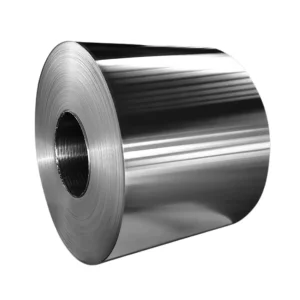
In-depth technical answers addressing material selection, seaming troubleshooting, MOQ requirements, and international compliance.