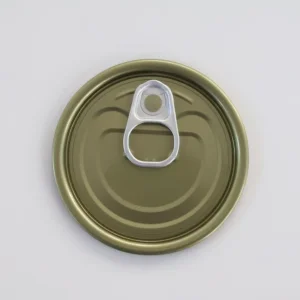
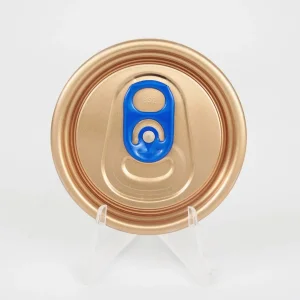
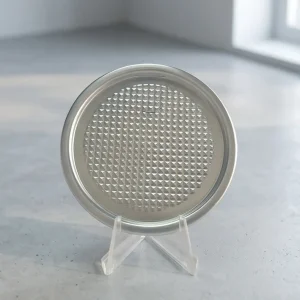
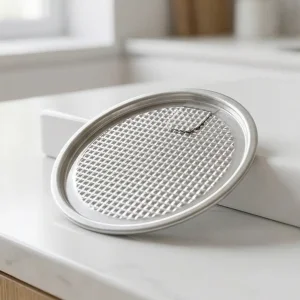
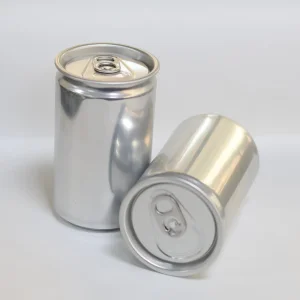
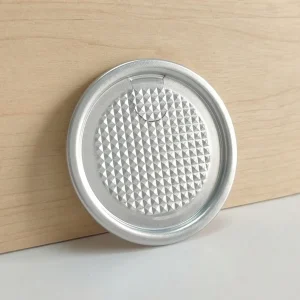
High-precision aluminum cans, easy-open lids, and tinplate closures engineered for high-speed automated filling lines.
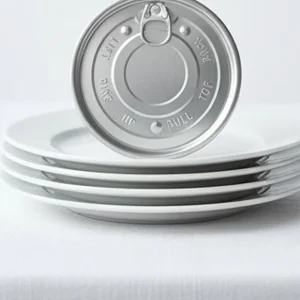
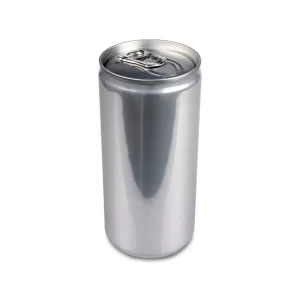
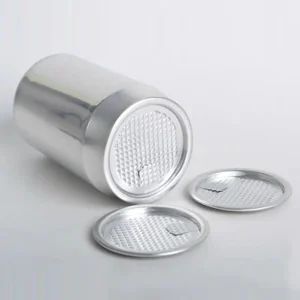
An authoritative whitepaper report on raw material innovations, circular economy standards, and barrier technologies driving beverage and dry food preservation.
Aluminum and electrolytic tinplate represent the benchmark for circular packaging economics. Aluminum retains its metallurgical properties through infinite recycling cycles, utilizing 95% less energy during secondary smelting compared to primary bauxite extraction.
Zero oxygen transmission rate (OTR) and complete light blocking safeguard sensitive sensory compounds, essential vitamins, and lipids. Highly engineered internal lacquer matrices (BPA-NI) ensure long-term chemical isolation between acid matrices and metallic substrates.
Engineered to sustain internal pressure vectors exceeding 6.2 bar (90 PSI) during flash pasteurization and retort processes. Double-seam profile geometries prevent micro-leakage and preserve hermetic seal integrity throughout global shipping transit.
Combining high-speed automated stamping, closed-loop statistical process control (SPC), and deep material integration.
Our flagship manufacturing facilities leverage high-speed press systems equipped with ultra-precise multi-cavity dies capable of operating at speeds exceeding 2,000 ends per minute. Integrated optical inspection vision systems verify shell dimensions, curling parameters, tab alignment, and compound placement in real-time.
By digitizing parameters across cupping presses, body makers, light testers, and lacquering ovens, our Industry 4.0 infrastructure guarantees micro-level consistency. SPC algorithms actively adjust tool clearances to counteract thermal expansion, maintaining tight tolerances across multi-million unit production runs.
Direct strategic partnerships with primary aluminum smelters and tinplate cold-rolling mills ensure prioritized coil allocation, mitigating global commodity price spikes and supply interruptions.
Pioneering lightweighting, next-generation non-BPA coatings, and smart packaging digital integration.
Advancing from 0.22mm down to 0.19mm coil thickness for easy-open shell ends without compromising buckle pressure thresholds. Advanced finite element analysis (FEA) optimizes countersink geometries and bead structures.
Transitioning 100% of internal liner chemistry to Bisphenol A Non-Intent (BPA-NI) acrylic and polyester resins. Engineered for harsh acidic pH beverages, craft beers, and fatty food matrices with zero flavor migration.
Under-tab high-speed laser etching and digital printing technology allow unique dynamic 2D barcodes for anti-counterfeiting, consumer engagement campaigns, and automated supply chain trace-and-track systems.
| Application Category | Material Substrate | Temper / Hardness | Thickness Range | Internal Coating | Key Performance Indicator |
|---|---|---|---|---|---|
| Beverage Cans (DWI) | Aluminum Alloy 3104 | H19 | 0.245mm – 0.280mm | BPA-NI Modified Acrylic | Axial Load > 1.4 kN, Column Strength |
| Easy-Open Ends (SOT/RPT) | Aluminum Alloy 5182 | H48 | 0.208mm – 0.224mm | Organosol / Epoxy-Free | Buckle Pressure > 6.2 bar, Pop < 30 N |
| Powder & Dairy Lids | Aluminum Alloy 8011 / 3003 | H14 / H24 | 0.180mm – 0.220mm | Food-Grade Heat Seal Lacquer | Peel Force Uniformity, Zero Pinholes |
| Food & Processed Cans | Electrolytic Tinplate (ETP) | T3 / T4 / DR8 | 0.160mm – 0.230mm | Aluminized Organosol / Gold Lacquer | Retort Resistance 121°C / 60 min |
Tailored packaging configurations designed to satisfy stringent sector-specific regulatory and physical environment demands.
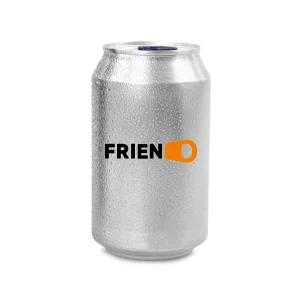
High-carbonation pressure stability requirement solved with optimized 202# SOT (Stay-On Tab) ends. Advanced necking profiles withstand up to 4.2 volumes of CO₂ while maintaining perfect double-seam seal integrity during pasteurization.
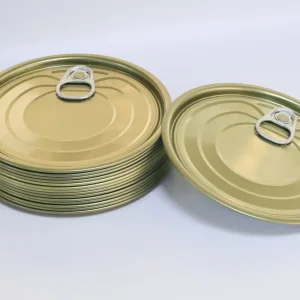
Hermetic sealing for hygroscopic nutritional products utilizing 502# and 401# easy-open lids equipped with scoop gaps and peelable foil membranes. Nitrogen flushing preservation keeps residual oxygen below 0.5%.
Corrosion-resistant tinplate lids (211#, 307#, 603#) with sulfur-resistant lacquers withstand high-temperature thermal processing (up to 131°C). Designed for aggressive tomato pastes, seafood, and pet food products.
Structured quality assurance frameworks, qualification protocols, and line-matching technical support for enterprise buyers.
Global multinational procurement departments require absolute transparency across the manufacturing value chain. Our factory quality management system aligns with international audit requirements:
Incompatible end curvature or improper chuck clearance leads to seamer jams, micro-leaks, or crushed body walls. We provide full technical line-matching services prior to volume shipping:
Navigating complex international food contact regulations and regional logistics requirements.
All internal lacquers, printing inks, and compound gaskets strictly comply with US FDA 21 CFR 175.300, EU Regulation (EC) No 1935/2004, and Chinese National Standard GB 4806. Certified non-toxic and free from phthalates, heavy metals, and prohibited photoinitiators.
To safeguard high-volume end shipments from sea freight humidity, oxidation, and mechanical impact, products are packed in vacuum-sealed poly bags with desiccant packs, corrugated layer pads, heavy-duty wooden pallets, and stretch-wrap hooding.
Dedicated technical service representatives positioned across North America, Europe, and Southeast Asia respond within 24 hours for emergency line assistance, seamer tooling adjustment, and batch quality troubleshooting.
Explore our full industrial line including sterilizable lids, raw aluminum coils, and large-format food tinplate closures.
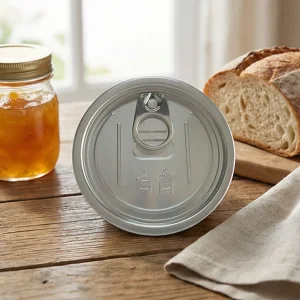
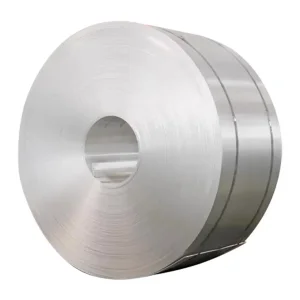
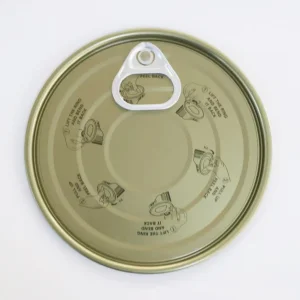
In-depth answers addressing procurement, metallurgy, line compatibility, compliance, and custom engineering queries.
Beverage can bodies are drawn from 3104-H19 aluminum alloy coil, which provides optimal work hardening characteristics during the Draw and Wall Ironing (DWI) process, giving high axial crush resistance with reduced body wall thickness. Easy-open ends (shells) utilize 5182-H48 or 5182-H19 aluminum alloy due to its high magnesium content, which grants superior tensile strength and buckle pressure resistance necessary to withstand carbonation forces (up to 6.2 bar). Pull tabs are stamped from 5052-H32 aluminum stock to ensure flexible yet tough rivet formation without tab tearing upon opening.
We conduct strict Enamel Rater testing (using a WACO Enamel Rater apparatus) on every production shift. Samples are filled with a 1% NaCl electrolyte solution and subjected to a 6.3V electrical potential. Maximum allowable current passage is restricted to < 0.1 mA, verifying complete lacquer coverage without micro-porosity or coating voids. Additionally, chemical resistance is validated via copper sulfate acid immersion tests, MEK solvent rub tests, and thermal retort simulation up to 131°C for 60 minutes.
For standardized easy-open ends (e.g., 202# SOT, 307# EOE, 502# powder lids) held in stock, the standard MOQ starts at 100,000 units (one LCL shipment pallet configuration). For custom-printed aluminum cans featuring up to 8-color dry offset lithography or matte/gloss specialty varnishes, the minimum order quantity is typically 300,000 units per artwork SKU to optimize high-speed printing plate setup and minimize lacquer changeover waste.
Every export shipment includes a comprehensive QA Documentation Dossier containing: Mill Test Certificates (MTC) detailing material chemical composition; Certificate of Analysis (CoA) for lacquer and compound safety; Heavy Metal Migration Test Reports complying with EU Regulation 10/2011 and US FDA 21 CFR 175.300; ISO 22000 Food Safety Declaration; Certificate of Origin; detailed Container Packing List; and pre-shipment ocean pallet temperature/moisture logs.
Our packaging application engineers provide full CAD drawing exchange (shell curl profile, countersink depth, chuck radius) to cross-reference with your seamer manufacturer specifications (e.g., Ferrum, Angelus, pneumatically actuated seamers). We supply pre-production test lots for seamer setup, along with optical double-seam software evaluation parameters (hook length, overlap ratio, seam thickness, tightness %) to ensure zero micro-leakage during production startup.