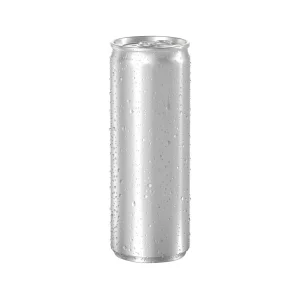
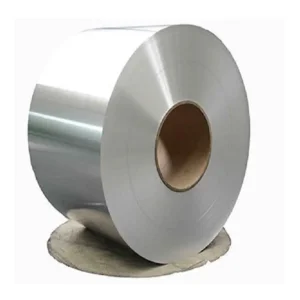
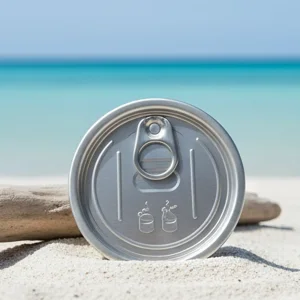
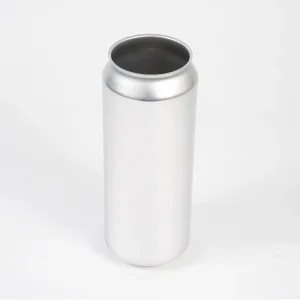
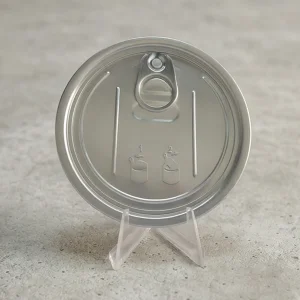
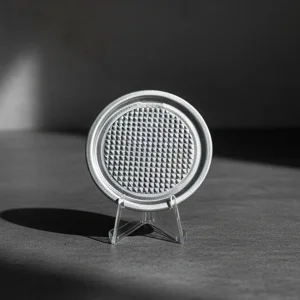
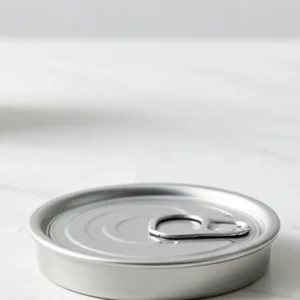
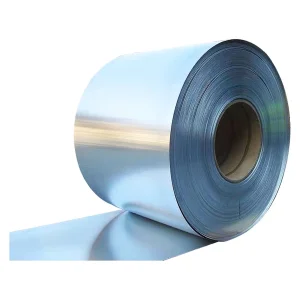
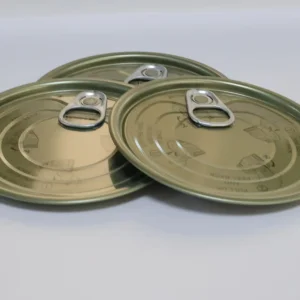
High-precision aluminum ends, easy-open lids, and coils engineered for seam integrity and maximum filling speeds.
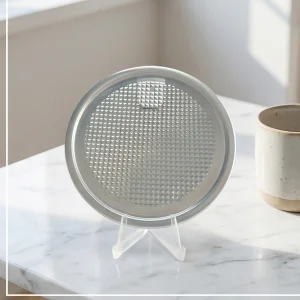
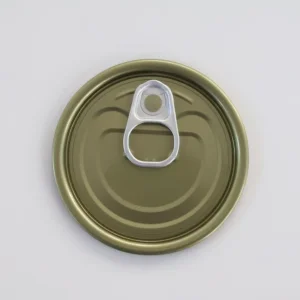
Navigating high-speed filling line compatibility, micro-tolerance metallurgical engineering, and global decarbonization mandates.
In modern industrial packaging, the aluminum container lid—encompassing Stay-On Tab (SOT), Ring Pull Tab (RPT), full-aperture easy-open ends (EOE), and high-barrier powder closures—represents one of the most mechanically demanding components in metal manufacturing. Operating at speeds exceeding 1,500 cans per minute (CPM), modern canning lines require closures engineered with micron-level dimensional stability, strict score-line residual consistency, and faultless double-seam geometry. A single defect in lid curl concentricity or shell temper can lead to line downtime costing tens of thousands of dollars per hour.
As global brand owners transition from single-use plastics to infinitely recyclable metal packaging, global procurements are evaluated under strict Search Quality Rater Guidelines (E-E-A-T) criteria: manufacturing experience, metallurgical expertise, regulatory authority, and long-term supply chain reliability. This whitepaper delivers actionable technical benchmarks, metallurgical comparisons, compliance frameworks, and procurement roadmaps for engineering directors, quality managers, and global sourcing executive teams.
How regulatory pressure, circular economy imperatives, and consumer demand are transforming lid engineering.
Driven by aluminum raw material volatility and carbon footprint targets, manufacturers are reducing shell stock thickness from traditional 0.24mm gauge down to 0.21mm and 0.20mm profiles. Achieving structural integrity at reduced gauges requires advanced alloy modification (e.g., 5182-H48 high-magnesium tempers) and re-engineered countersink geometries that withstand up to 6.2 bar of internal pressure without dome reversal.
Strict legislative mandates across the European Union (EFSA) and the United States (FDA) have accelerated the phase-out of traditional epoxy coatings containing Bisphenol-A (BPA). Next-generation container lids utilize BPA-Non-Intent (BPA-NI) organosol, acrylic, or polyester protective lacquers. These formulations preserve flavor neutrality while providing exceptional chemical resistance against acidic soft drinks, energy beverages, and fatty food matrices.
Modern lid stamping lines now integrate real-time electro-optical and high-speed vision AI cameras capable of scanning up to 3,000 parts per minute. Inspection parameters include compound distribution uniformity, curl radius defects, score line scratch detection, and tab alignment tolerances accurate to ±0.015mm, preventing defective units from ever reaching client seaming lines.
Direct comparative data for B2B sourcing managers evaluating aluminum alloys, tempers, and mechanical limits.
Selecting the optimal container lid involves a rigorous matrix of alloy selection, mechanical property balancing, and coating compatibility. The shell stock must possess sufficient yield strength to resist internal pressure while maintaining ductility during the complex multi-stage conversion process (curling, tab riveting, score carving, and compound lining).
| Alloy & Temper | Component Application | Tensile Strength (MPa) | Yield Strength (MPa) | Key Mechanical Advantages |
|---|---|---|---|---|
| 5182-H48 | Easy-Open Lid Shell Stock (200#, 202#, 206#) | 360 - 410 | 310 - 360 | High magnesium content; maximum pop/pull durability and buckle pressure resistance under carbonation. |
| 5052-H32 / H34 | Opening Tabs (SOT & RPT) | 230 - 280 | 190 - 240 | Excellent formability and rivet strength without micro-cracking during high-speed tab stamping. |
| 3104-H19 | Can Bodies & Deep-Drawn Closures | 275 - 310 | 260 - 295 | Manganese-modified structure offering superior deep-drawing capability and minimal earing percentage. |
| 8011-H14 / O | Peelable Foil Membranes & Powder Lids | 140 - 180 | 110 - 150 | Ultra-clean surface characteristics for high-integrity heat sealing to tinplate or aluminum ring structures. |
When integrating container lids into automated filling operations, procurement officers must verify three non-negotiable double-seam parameters:
Custom closure configurations optimized for specific product matrices, processing temperatures, and barrier requirements.
Engineered for craft beer, carbonated soft drinks, hard seltzers, and nitrogen-infused beverages. Features specialized score lines designed to withstand severe internal carbonation pressures up to 6.2 bar while offering super-end (CDL / B64) light-weighted geometry that reduces aluminum consumption per thousand units by up to 10%.
Nutritional powders require zero-oxygen transfer rates to prevent lipid oxidation. Our easy-open foil membrane closures utilize multi-layer aluminum-laminate foils heat-sealed to rigid tinplate or aluminum rings. Equipped with scoop-holder rims, anti-counterfeiting laser engraving, and soft-peel technology that prevents sharp edge cut injuries.
High-grade API pharmaceuticals and clinical nutrition formulations demand contamination-free packaging environment. Non-magnetic 209FA# aluminum easy-open ends eliminate ferric interference during automated metal detection screening downstream, guaranteeing 100% purity verification prior to shipping.
Precision electronic chemicals and metal powders (e.g., solder paste, 3D printing alloys) suffer from electro-static attraction during high-speed automated packaging. Specialized conductive coatings dissipate static accumulation, preventing fine powder cling on seaming margins and preserving hermetic double-seam seal integrity.
Eliminating cross-border trade risk through comprehensive certification, batch traceability, and protective transit engineering.
Exporting container lids across international boundaries requires strict adherence to regional food contact safety frameworks and robust ocean logistics protocols. Shanghai Friend Metals maintains a fully integrated quality management system designed to streamline customs clearance and line validation for enterprise buyers in over 40 countries.
Every batch of raw coil, internal lacquer, and sealing compound is subjected to migration testing. Deliverables include documentation compliant with US FDA 21 CFR 175.300, EU Regulation 1935/2004, EU 10/2011, and China GB 4806.10. Detailed migration certificates and Heavy Metal / RoHS compliance reports accompany every export bill of lading.
Aluminum ends are vulnerable to moisture-induced oxidation and transit deformation. Products are packed in moisture-impermeable polyethylene paper sleeves, loaded inside rigid corrugated fiber drums or heavy-duty cartons, positioned on ISPM-15 heat-treated fumigated wooden pallets, and secured via automated stretch-hood film wrapping with internal silica gel desiccants.
From raw aluminum ingot casting down to the final lid stamping shift, every box is stamped with a unique 12-digit QR matrix code. Sourcing teams can trace the exact mill heat number, coil thickness tolerance log, lacquer curing temperature record, and final Enamel Rater inspection log within minutes of a field inquiry.
Pioneering zero-carbon aluminum smelting, digital laser printing, and smart interactive container lids.
By incorporating up to 80% Post-Consumer Recycled (PCR) content and leveraging hydro-powered aluminum smelting facilities, future lid manufacturing will reduce Scope 1 and Scope 2 embodied carbon emissions to under 2.0 kg CO₂e per kg of aluminum alloy produced.
Replacing conventional ink printing with ultra-fast UV laser engraving directly onto the tab surface during stamping. Enables dynamic QR code generation for consumer engagement, anti-counterfeit lot tracking, and regional deposit return scheme (DRS) integration without chemical inks.
Integrating micro-encapsulated thermochromic pigments into the internal protective liner. The lid shell changes optical polarity if the container exceeds safe temperature storage thresholds during cold-chain transit, giving buyers instant visual verification of product integrity.
Authoritative answers from senior packaging engineers regarding alloys, line speeds, and seaming tolerances.
Explore our extended catalog of industrial raw materials and precision-engineered container components.