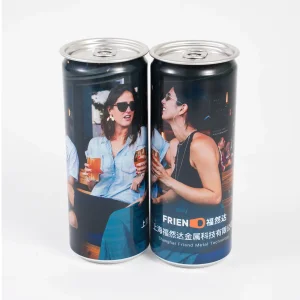
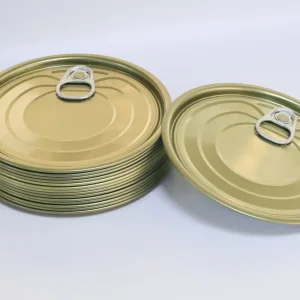
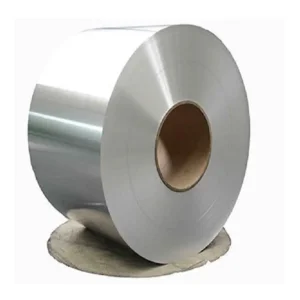
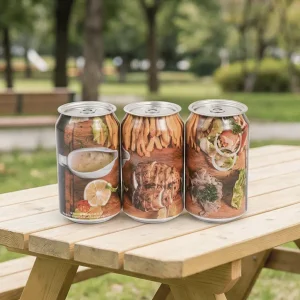
Precision-engineered easy-open ends, beverage cans, and lacquered aluminum coils optimized for high-speed filling lines.
An authoritative macro analysis of supply chain dynamics, metallurgical advancements, and global distribution vectors driving metal packaging excellence.
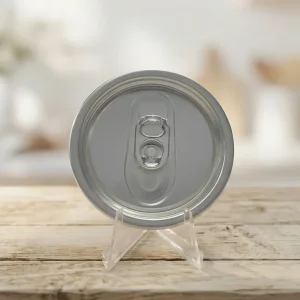
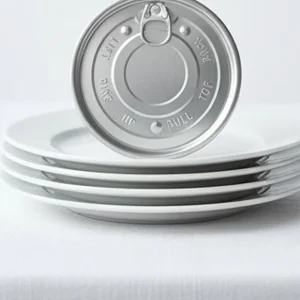
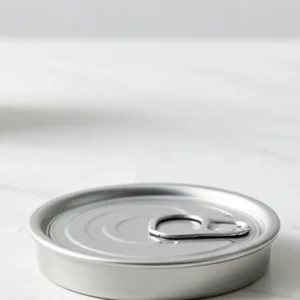
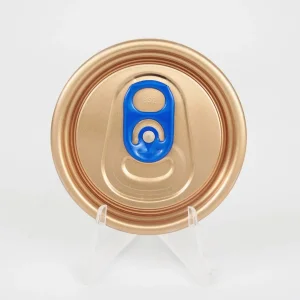
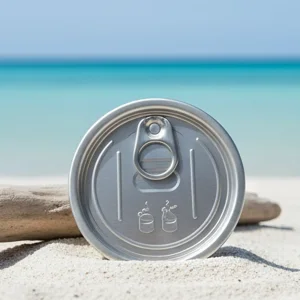
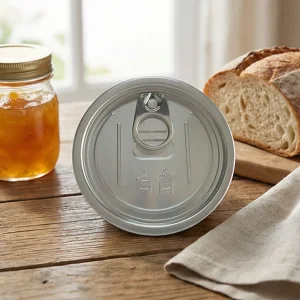
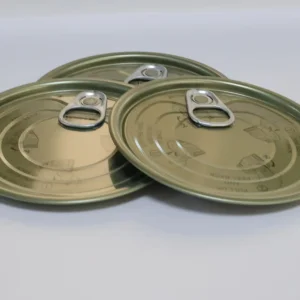
The global rigid metal packaging ecosystem is undergoing a fundamental structural transformation. Driven by consumer preferences shifting aggressively away from single-use plastics, stricter environmental directives (such as the European Union’s Packaging and Packaging Waste Regulation), and the unmatched circular economy metrics of aluminum, wholesale global leading aluminium can end manufacturers and suppliers occupy a central position in international FMCG logistics. Aluminium can ends—historically referred to as Easy-Open Ends (EOE), Stay-On Tabs (SOT), Ring Pull Tabs (RPT), and specialized barrier closures—represent one of the most sophisticated domains of modern high-volume mechanical engineering.
Manufacturing a precision aluminum end is not merely a stamping operation; it is an ultra-high-speed metallurgical process operating at tolerances measured in single-digit micrometers. Global demand for metal packaging ends now exceeds 420 billion units annually. Premium suppliers in East Asian manufacturing hubs—particularly advanced production facilities in China—have integrated end-to-end supply chains spanning primary smelting, continuous aluminum coil casting, high-precision coil lacquering, multi-die conversion presses, and automated optoelectronic double-seam inspection.
China, Western Europe, and North America represent over 82% of worldwide end-stamping capacity. China's integrated coastal logistics hubs (such as Shanghai Port) facilitate rapid freight delivery of stock sizes (200#, 202#, 206#, 307#, 401#, 502#) to over 140 countries.
High-speed rotary beverage filling lines operate at speeds between 800 to 1,500 cans per minute (CPM). End components must exhibit absolute dimensional consistency in curl diameter, countersink depth, and rivet height to prevent catastrophic line jams.
Leading manufacturers enforce total compliance with US FDA 21 CFR 175.300, EU Regulation 1935/2004, and China GB 4806.10 standards. Modern internal coatings utilize zero-bisphenol A (BPA-NI) organosol and acrylic resins to safeguard contents.
Deconstructing the material science and precision engineering parameters required for world-class easy-open end manufacturing.
Achieving the structural integrity necessary to withstand internal carbonation pressures of up to 6.2 bar (approx. 90 PSI) while maintaining an effortless manual pull-open force requires exact control over alloy compositions, cold-rolling tempers, and score line micro-geometries.
| Packaging Component | Alloy Grade | Temper Specification | Nominal Thickness Range | Primary Technical Characteristics |
|---|---|---|---|---|
| End Shell Stock (EOE / SOT) | AA 5182 / AA 5052 | H48 / H19 | 0.203 mm – 0.240 mm | High magnesium content for maximum tensile strength, high buckle resistance under internal gas pressure. |
| Pull Tab Stock | AA 5052 / AA 5182 | H38 / H19 | 0.330 mm – 0.400 mm | Excellent bendability and shear resistance; eliminates tab collapse during initial pop-and-pull activation. |
| 2-Piece Can Body Stock | AA 3104 / AA 3004 | H19 | 0.240 mm – 0.280 mm | Superior earing control (< 2.5%), high manganese ductility for deep drawing and wall ironing (DWI). |
| Specialty Powder / Foil Stock | AA 8011 / AA 1235 | O / H14 | 0.180 mm – 0.300 mm | High formability for deep embossing, transparent window integration, and anti-static lacquer receptivity. |
The score line is the precision groove stamped into the aluminum shell that defines the opening aperture. The remaining metal thickness at the bottom of this groove—known as the score residual—must be maintained within a tight tolerance of ±2.5 micrometers. If the score residual is too thick, the consumer cannot open the can; if it is too thin, the end will burst prematurely during thermal pasteurization or transport over high-altitude mountain passes. High-precision carbide tooling and real-time optical displacement sensors are mandatory on modern multi-die conversion systems.
Target pop force (the initial force required to pierce the rivet score) is calibrated between 15 N to 26 N. This ensures easy opening for consumers while preventing unintended rupture from physical impacts during pallet loading.
Once popped, the full tear-open force is controlled within 20 N to 35 N. Smooth score propagation along the aperture perimeter prevents sharp jagged edges and eliminates metal shaving detachment into liquid contents.
Water-based liquid PVC or modified acrylic sealing compounds are applied into the end curl channel via high-speed centrifugal nozzles. Dry film weight is strictly monitored to guarantee hermetic seals on high-speed seamers.
How leading end manufacturers are innovating with lightweighting, smart barrier lacquers, and digital anti-counterfeiting technologies.
Transitioning from traditional 206# diameter end profiles to 202# and lightweight 200# CDL (Contour Diameter Lightweight) formats reduces aluminum usage by up to 10% per end. Worldwide adoption of CDL ends yields tens of thousands of metric tons in annual metal savings without compromising internal pressure ratings.
Regulatory shifts across North America and Europe have accelerated the total retirement of epoxy coatings containing BPA. Modern coating plants utilize high-performance acrylic, polyester, and polyolefin dispersions capable of enduring aggressive thermal processing (121°C retorts for 30 minutes) while offering extended shelf-life for acidic RTD beverages and wines.
Under-tab high-resolution fiber laser engraving allows beverage brands to incorporate unique promotional matrix codes, anti-counterfeiting serial numbers, and consumer engagement links. The laser process must modify the anodized or lacquered surface without compromising the structural integrity of the 5052 tab alloy.
Engineering specialized end closures for diverse liquid, food, infant nutrition, and industrial chemical applications.
Utilizes 202# and 200# SOT (Stay-On Tab) ends equipped with 5182-H48 high-buckle shells. Internal organosol lacquers resist carbon dioxide pressure up to 6.2 bar and withstand flash pasteurization profiles of 60–65°C for 15–20 minutes without lacquer delamination.
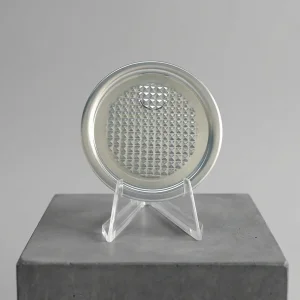
Employs large-format 401# and 502# peel-off foil membrane ends or transparent-top acrylic window lids. Designed for modified atmosphere packaging (MAP) with nitrogen flushing, maintaining residual oxygen levels below 0.5% for extended shelf-life protection.
Integrates non-magnetic 209FA# and anti-static 300# aluminum ends. Special conductive lacquer formulations prevent electrostatic charge accumulation during high-speed vacuum filling, guaranteeing precise dosing and powder release.
Eliminating operational risk through comprehensive metallurgical testing, double-seam teardown analytics, and global logistics engineering.
Every production batch undergoes high-voltage enamel rating (WACO conductivity test at 6.3V). Current passage must register below 0.5 mA, proving total lacquer continuity across rivet folds and score radii.
End-to-can seam integration is validated via automated seam monitors. Parameters including body hook, end hook, seam thickness, seam length, and overlap percentage (> 55% target) are measured digitally.
Finished ends are subjected to progressive internal pressure until mechanical dome reversal or score failure occurs. Minimum burst strength thresholds exceed 6.2 bar for beverage ends and 2.5 bar for food ends.
Explore our specialized non-magnetic, anti-static, retortable aluminum ends and food-grade tinplate packaging components.

Direct insights from senior packaging engineers regarding alloys, line compatibility, coatings, and bulk export logistics.
Beverage ends subjected to high internal pressure (such as CSD, beer, and carbonated water) utilize AA 5182-H48 shell stock combined with AA 5052-H38 tab stock due to their high magnesium content and high yield strength. Non-pressure food and powder lids (such as 401# and 502# formats) often utilize AA 8011 or AA 3104 lacquered coil, which provides superior deep-drawing ductility and cost efficiency while maintaining total hermetic sealing performance.
Our end shells are precision-stamped to standard international profile profiles (including 202 SOT B64, CDL, ISE, and SuperEnd). Prior to mass shipments, our technical team provides detailed CAD profile drawings (specifying end curl width, countersink radius, and wall height) alongside 10,000-unit trial lots for seam teardown calibration on your specific seamer chucks and rolls.
Every production shipment is accompanied by a Comprehensive Certificate of Analysis (COA), including enamel rater test values, dry coating weight reports, and global compliance certificates confirming zero Bisphenol A (BPA-NI). All internal lacquer systems are rigorously tested in accordance with US FDA 21 CFR 175.300, EU Regulation 1935/2004, and China GB 4806.10 standards.
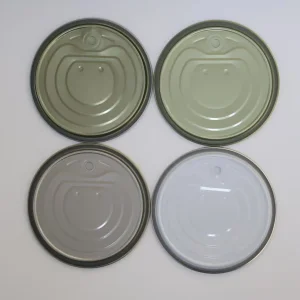
Standard bright or plain aluminum ends in stocked sizes (200#, 202#, 307#, 401#) start at an MOQ of 200,000 pieces (approx. one sea freight pallet configuration). Ends featuring custom colored tabs (e.g., anodized black, blue, red) or under-tab laser-etched QR matrix codes typically require a production run of 500,000 units per artwork variation to optimize coil lacquering and tooling setups.
End units are packed in continuous heavy-duty polyethylene sleeves under controlled humidity conditions, nested securely inside corrugated fiber shipping cartons or rigid corrugated paper tubes. Tubes are standard palletized on wooden or plastic heat-treated export pallets (ISPM 15 compliant), wrapped in multi-layer stretch film with top frames, and packed with industrial desiccant bags to eliminate moisture condensation during sea transits.
