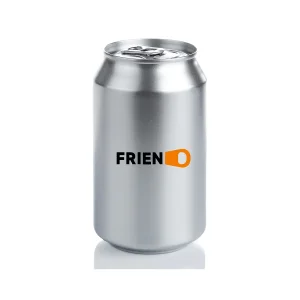
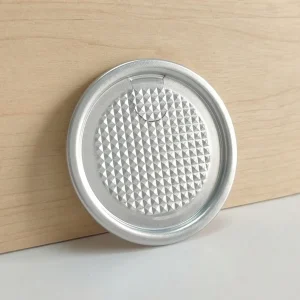
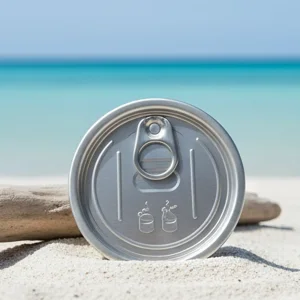
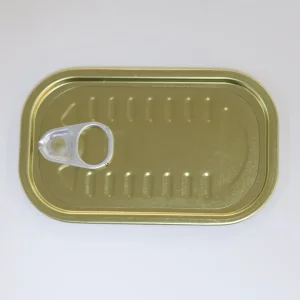
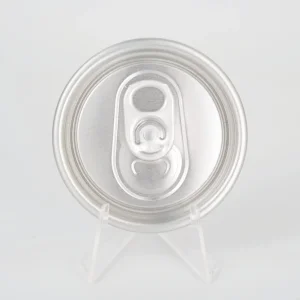
Engineered for perfect seam dimensional consistency, superior buckle resistance, and food-grade compliance. Explore our primary export closure series below.
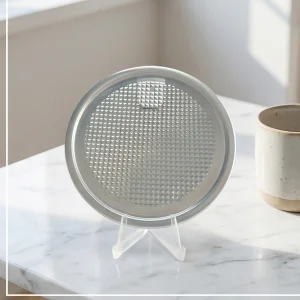
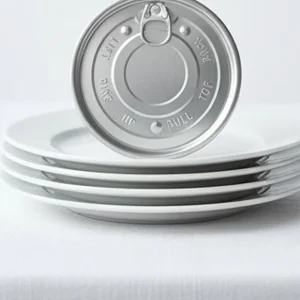
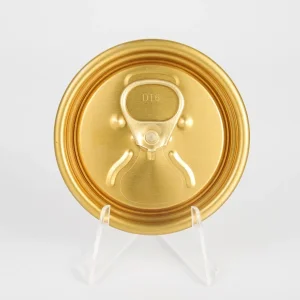
The global rigid packaging landscape is undergoing an unprecedented structural transition driven by stringent circular economy regulations, corporate ESG decarbonization mandates, and evolving consumer hygiene standards. As international markets aggressively move away from single-use plastics (SUPs), aluminium bottle seals, easy-open ends (EOE), and precision-engineered can closures have emerged as the definitive global benchmark for sustainable liquid, powder, and dry food packaging.
According to macro packaging intelligence metrics, the worldwide market for aluminium bottle closures and easy-open lids is expanding at a CAGR of 6.4%, driven primarily by the rapid surge in ready-to-drink (RTD) craft beverages, premium infant formula, nutraceutical powders, and electronic-grade specialty chemicals. Unlike legacy plastic closures that degrade during mechanical recycling, aluminium maintains infinitely circular metallurgical properties—retaining 100% of its structural integrity without quality loss while utilizing 95% less energy during recycled remelting compared to primary smelting.
Technical Information Gain Note: Modern aluminium closures operate under tight dimensional tolerances (±0.005mm). The primary performance differentiator lies in the precise formulation of the internal organic barrier lining (BPA-NI / Organosol / Epoxy-Phenolic) combined with high-yield alloy tempers (such as 5182-H48 shell stock), preventing micro-channel leakage, chemical migration, and stress corrosion cracking under thermal pasteurization or high-altitude ocean transport.
Understanding alloy selection is critical for procurement managers and packaging engineers. Below is the standardized technical matrix implemented across top-tier China manufacturing hubs:
| Alloy & Temper | Primary Application | Tensile Strength (MPa) | Yield Strength (MPa) | Key Barrier & Mechanical Property |
|---|---|---|---|---|
| 5182 - H48 | EOE Shells / Beverage Lids | 360 - 410 | 310 - 360 | Exceptional pop & pull performance, high buckle resistance against internal gas expansion. |
| 3104 - H19 | Can Bodies / Deep Draw Seals | 270 - 320 | 250 - 300 | High earing control, superior wall drawability, optimal axial load strength. |
| 5052 - H32 / H34 | Easy-Open Rivet Tabs / Pull Rings | 215 - 265 | 160 - 210 | Superior ductility and fatigue resistance during rapid opening tab articulation. |
| 8011 - O / H14 | Pharmaceutical Seals & Powder Foil Lids | 140 - 180 | 110 - 150 | Ultra-low pinhole density, perfect hermetic heat-seal capability with lacquered polymers. |
China has solidified its position as the world's most sophisticated and cost-efficient manufacturing engine for advanced metal packaging closures. Modern Chinese facilities, particularly clustered in industrial hubs like Shanghai and surrounding coastal manufacturing zones, have evolved far beyond basic OEM stamping. They now operate fully integrated, Industry 4.0-enabled smart factories equipped with imported high-speed precision presses (such as American Minster and German Schuler systems).
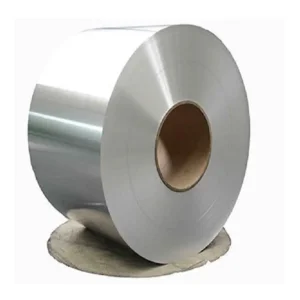
Direct supply agreements with world-class aluminum coil rollers (Chinalco, Southwest Aluminum) guarantee mill certificates, strict thickness tolerances (±0.002mm), and zero surface inclusions for every batch of 5182 and 3104 coil.
Multi-lane conversion lines achieve production rates exceeding 1,200 ends per minute per line. Integrated vision-inspection AI systems analyze score residual depth, tab alignment, and curling geometry in real time.
Coating labs utilize non-intent Bisphenol-A (BPA-NI) polyorganosol and acrylic resins, thoroughly audited against U.S. FDA 21 CFR 175.300, EU Regulation 1935/2004, and China GB 4806.10 standards.
Furthermore, proximity to major deep-water shipping channels (such as the Port of Shanghai) allows Chinese manufacturers to offer reduced FOB/CIF lead times, optimized container consolidation, and complete compliance documentation (including migration test reports, certificates of analysis, and chamber stability data) required by international customs authorities.
Global beverage brands, canning plants, and food packaging distributors require tailored end geometry depending on whether their filling lines process ambient liquids, pasteurized beers, hot-fill juices, or dry powders requiring nitrogen flushing. Below is the standardized product breakdown manufactured by global leading suppliers:
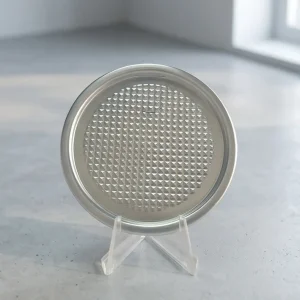
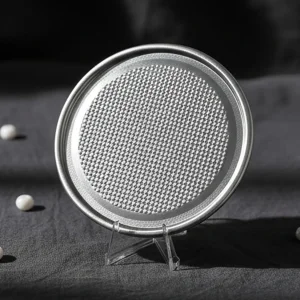
Designed specifically for 2-piece drawn and ironed (DWI) aluminum cans. Standard diameter designations include 200#, 202#, 206#, and 209#. Available in CDL, B64, and ISE profile geometries to optimize metal weight while preserving high internal pressure resistance (up to 6.2 bar / 90 psi).
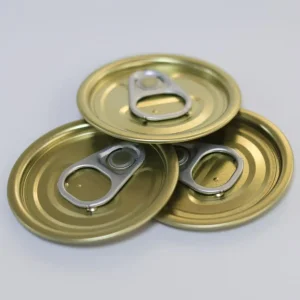
Widely utilized in infant formula, coffee, protein powders, nuts, and industrial chemicals. These ends feature full-aperture score lines, safety-folded edges (to prevent consumer finger cuts), and optional transparent central windows or anti-static internal coatings.
| Closure Size / Code | Nominal Diameter (mm) | Opening Mechanism | Internal Coating System | Primary Commercial Use |
|---|---|---|---|---|
| 200# SOT / RPT | 50 mm | Stay-On Tab / Ring Pull | BPA-NI Epoxy / Organosol | Sleek & Slim Beverage Cans (200ml - 330ml) |
| 202# SOT / RPT | 52 mm | Stay-On Tab / Resealable (RPT) | Modified Polyester / Epoxy | Standard Beer, Soda, Hard Seltzer (330ml, 355ml, 500ml) |
| 300# Powder End | 73 mm | Full-Aperture Easy Open | Anti-Static Lacquer / BPA-NI | Nutraceutical Powders, Electronic Chemicals |
| 401# EOE Lid | 99 mm | Full-Aperture Pull Tab | Retort Gold Organosol / Aluminum Foil Peel | Coffee Beans, Powder Milk, Processed Foods |
| 502# EOE Lid | 127 mm | Full Pull / Transparent Window | Heavy-Duty Corrosion Inhibitor | Infant Formula, Bulk Milk Powders, Grains |
Selecting the correct aluminium seal requires mapping closure engineering against the specific thermal, chemical, and physical stresses of the downstream filling process. Below are four key industrial application scenarios where factory-engineered seals deliver decisive operational value:
Challenge: Internal pressure spikes up to 5.5 bar during tunnel pasteurization at 62°C–65°C can cause end buckling or micro-seam leaks.
Solution: High-tensile 5182-H48 shell stock with reinforced countersink depth and specialized compound lining ensures absolute seal integrity under thermal expansion.
Challenge: Oxygen degradation of delicate lipids leads to rancidity. Residual moisture impairs powder shelf life.
Solution: Nitrogen-flush compatible 401#/502# full-aperture lids featuring 0.00% OTR/WVTR sealed with hermetic compound linings, maintaining internal vacuum for up to 36 months.
Challenge: Microscopic powder particles cling to the scoring edge via static charge, causing seal contamination during high-speed filling.
Solution: Anti-static clear lacquer treatment applied to 300# aluminium lids repels dust, ensuring clean rim contact and defect-free double seaming.
For multinational beverage corporations and contract fillers, seamlessly integrating newly sourced aluminium ends into high-speed seaming equipment (e.g., Ferrum, Angelus, Continental Can) without increasing line downtime or jam rates is a top priority. Leading Chinese factories adhere to standardized engineering protocols to guarantee flawless line performance:
Engineering Seam Parameters for Quality Assurance: A perfect double seam requires strict adherence to three critical dimensions: Cover Hook Length (CH: 1.25–1.55mm), Body Hook Length (BH: 1.25–1.55mm), and Seam Tightness Percentage (>85% minimum). Technical sales teams provide precise tooling setup guides and pre-shipment sample lots for bench tear-down analysis.
Answers to common questions regarding aluminium bottle seals, easy-open ends, factory capabilities, and international logistics:
Discover our specialized powder lids, anti-static closures, premium aluminum coil, and tinplate products below.