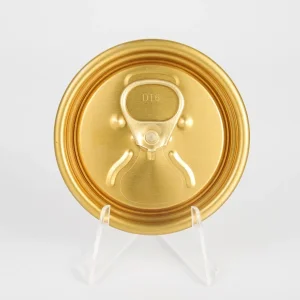
Wholesale Global Ends Beverage Cans Service & Product

Next-Generation Engineering, Sustainable Aluminum Packaging Solutions & Enterprise Double-Seam Rigor for Global Bottlers

Featured High-Performance Packaging SKUs

Direct-from-factory aluminum beverage ends, high-barrier tinplate closures, and precision-rolled coils optimized for high-speed automated canning lines.
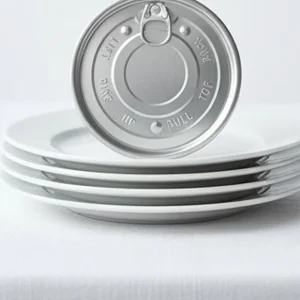
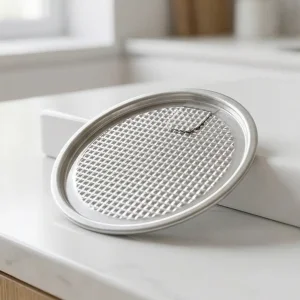
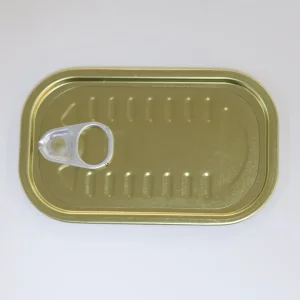
Food-Grade 603 Tinplate Lids
Wholesale High-Performance Food-Grade 603# Tinplate Lids from China Suppliers
Explore Product Specifications
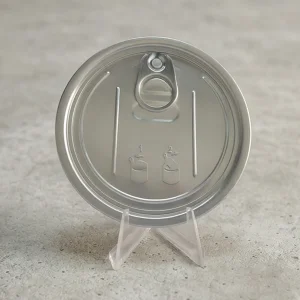
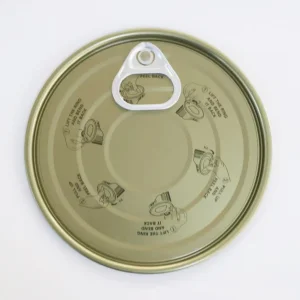
Low-Profile 307 Aluminum Easy-Open Lids
Low-Profile 307# Aluminum Easy-Open Lids Space-Saving Packaging
Explore Product Specifications
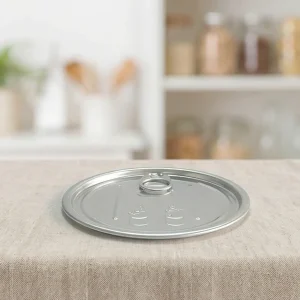
Rust-Proof 401 Aluminum Lids
High-Quality Rust-Proof 401# Aluminum Lids for Coastal Powder Storage
Explore Product Specifications
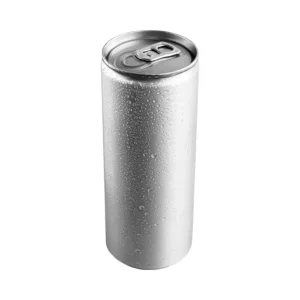
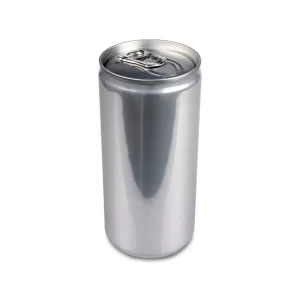
Eco-Friendly 250ml Aluminum Cans
Wholesale Eco-Friendly 250ml Aluminum Cans for Beverages and Snacks
Explore Product Specifications
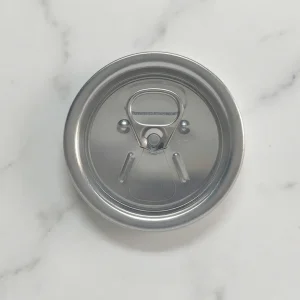
Premium 200 RPT Aluminum Lids
Premium 200# RPT Aluminum Easy-Open Lids High-Quality Packaging
Explore Product Specifications
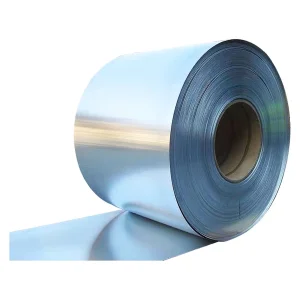
Superior 8011 Aluminum Coils
Wholesale Superior 8011# Aluminum Coils for High-Grade Packaging Stamping
Explore Product Specifications
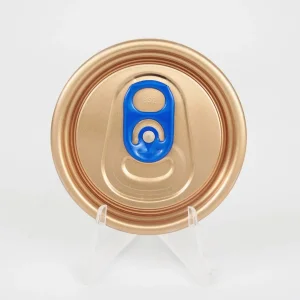
Aluminum Easy-Open Lids Beer Juice
Top-Tier Aluminum Easy-Open Lids for Beer, Juice, and Carbonated Beverages
Explore Product Specifications
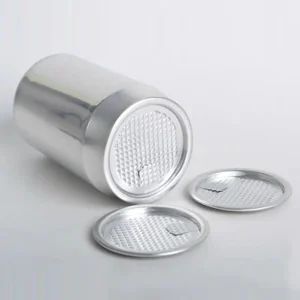
Premium Aluminum Lids Powder
Wholesale Premium Aluminum Easy-Open Lids for Powdered Formulations
Explore Product Specifications

Macro Industry Architecture: The Science of Modern Can Ends & Cans

An authoritative deep dive into rigid metal packaging engineering, cross-continental procurement workflows, and advanced alloy thermodynamics.

Double-Seam Hermetic Integrity

The core metric of global beverage safety rests upon the mechanical interplay between the end curl and the can body flange. Modern continuous-motion rotary seamers operating at speeds exceeding 1,800 cans per minute (CPM) demand extreme dimensional uniformity in countersink depth, cover hook length, and seam thickness. Achieving zero micro-leakage requires precision-engineered compound lining applied in a controlled liquid matrix, guaranteeing an oxygen transmission rate (OTR) effectively near zero.

Advanced Metallurgy & Alloys

The structural transformation from raw ingot to lightweight can end utilizes specialized magnesium-manganese aluminum alloys. Shell stock relies predominantly on 5182-H48 temper for superior tensile strength and stretchability during scoring, while tab stock utilizes 5052-H19 temper for high-yield rivet retention. Can body stock utilizes 3104-H19 temper, optimized for deep drawing and wall ironing (DWI) without structural earing.

Next-Gen Barrier Coatings

Global regulatory shifts away from Bisphenol-A have accelerated the adoption of advanced BPA-NI (Non-Intent) internal lacquer systems. Utilizing cross-linked modified polyester and organosol resins, modern inner sprays prevent flavor scalping and preserve organoleptic purity across acidic beverages (pH < 3.0), craft beer, nitrogenated coffee, and aggressive functional energy drinks.

Information Gain Insight: The global transition from 206 to 202 diameter necked cans has yielded a cumulative reduction of over 300,000 metric tons of aluminum annually. Modern wholesale end tooling must balance buckle pressure resistance (capable of sustaining > 90 PSI / 6.2 bar internal carbonation pressure) with a featherweight shell gauge down to 0.208mm.

Global Ends & Beverage Cans Manufacturing Standards

Empirical parameters defining enterprise-grade wholesale metal packaging efficiency, structural reliability, and line compatibility.
99.98%
Seamer Line Efficiency
> 6.2 BAR
Buckle Pressure Limit
< 2.0 mA
Enamel Rater Porosity
100%
Infinitely Recyclable

Stay-On Tab (SOT) Mechanics

Designed for soft drinks, carbonated waters, and beers. The SOT end remains attached to the can shell post-opening, fulfilling stringent global environmental litter-reduction mandates. High-precision score lines guarantee low pop (< 3.0 lbf) and pull-up forces (< 6.0 lbf).

Ring Pull Tab (RPT) Rigor

Favored for non-carbonated juices, food cans, and specialty retail items. RPT end geometry ensures complete orifice detachment with smooth contour scoring to eliminate sharp inner edges and minimize end-user injury risk.

Full-Aperture & Peel-Off Innovations

Expanding sensory immersion, full-aperture ends transform the beverage can into an open drinking vessel, elevating aroma release for craft beer. Meanwhile, aluminum foil peel-off ends provide lightweight hermetic seals for dry powders.

Enterprise Sourcing & Supply Chain Integration

Solving critical procurement friction points for global contract fillers, high-volume breweries, and multinational beverage brands.

JIT Logistics & Warehousing

Beverage packaging is inherently voluminous. B2B procurement strategies require strict Just-In-Time (JIT) delivery protocols, slip-sheet palletization, and sea-freight humidity control. High-density wooden/plastic pallets with automated stretch-wrap protection prevent transport vibration micro-fissures in internal protective lacquers.

Rigorous Quality Assurance (AQL)

Our operational quality control operates strictly under ISO 9001 and FSSC 22000 frameworks. Batch production undergoes automated high-speed optical inspection for score depth, tab alignment, rivet integrity, and compound distribution. Acceptable Quality Levels (AQL) for critical defects are held to 0.010% thresholds.

Custom Brand Differentiation

Elevate shelf presence with functional and visual customization options: custom color-anodized tabs, laser-etched promotional codes underneath the tab, embossed logo end shells, and high-definition matte or tactile can body printing up to 8 colors.

Macro Application Matrix across Beverage Sectors

Tailored metal packaging engineering formulated for distinct liquid chemistry, pasteurization thermal cycles, and internal pressure dynamics.

Carbonated Soft Drinks (CSD)

Primary SKUs: 202 SOT / 200 SOT Ends + 250ml, 330ml, 355ml, 500ml Cans.
Technical Challenge: High internal pressure up to 4.2 volumes of CO₂. Requires high-buckle end geometry (> 90 PSI) and thick lacquer application to resist carbonation corrosion and prevent CO₂ outgassing over 12–24 month shelf lives.

Craft Beer & Cider

Primary SKUs: 202 CDL / B64 SOT Ends + Standard & Sleek Can Profiles.
Technical Challenge: Thermal tunnel pasteurization (60–65°C) creates internal pressure spikes. Ends must utilize high-yield 5182 aluminum temper to resist doming while maintaining an absolute zero-oxygen environment (TPO < 30 ppb) to protect hop aromatics.

Nitrogen-Dosed Coffee & Teas

Primary SKUs: 202 RPT / SOT Ends + Slim & Sleek Formats.
Technical Challenge: Liquid nitrogen dosing provides internal structural rigidity for non-carbonated beverages. Specialized low-opening-force tab mechanics ensure smooth vent relief without liquid spurting upon initial tab actuation.

Infant Formula & Dry Powders

Primary SKUs: 307#, 401#, 502# Easy-Open Foil / Peel-Off Ends & Tinplate Lids.
Technical Challenge: Zero oxygen tolerance and strict anti-microbial barrier requirements. Nitrogen flushing reduces residual oxygen to < 0.5%, requiring total hermetic compound seal continuity around the tinplate or aluminum rim.

High-Acid Ready-To-Drink Cocktails

Primary SKUs: Custom Internal Coated 202 SOT Ends + 250ml Sleek Cans.
Technical Challenge: High alcohol by volume (ABV) combined with organic acid blends (citric, malic) aggressively attacks standard lacquers. Premium double-coat PPG or AkzoNobel BPA-NI linings prevent chemical migration and metal pick-up.

Functional & Energy Drinks

Primary SKUs: 200# / 202# RPT & SOT Ends with Customized Color Tabs.
Technical Challenge: Complex formulations containing taurine, B-vitamins, and high caffeine contents require non-reactive inner polymers. Bright neon anodized tabs drive brand recognition in high-density retail coolers.

Global Compliance & Future Technology Roadmap

Navigating complex international regulatory frameworks while pioneering next-generation ultra-lightweight and smart packaging solutions.

FDA 21 CFR 175.300 Compliant

Full compliance with United States Food and Drug Administration mandates governing resinous and polymeric coatings intended for safe food and beverage contact surfaces.

EU Regulation 1935/2004

Adherence to European Union directives on materials intended to come into contact with food, supported by comprehensive Overall Migration Limit (OML) testing certificates.

ISO 9001 & FSSC 22000 Certified

Rigorous operational traceability across raw material coil slitters, high-speed press lines, compound liners, and automated palletizing systems.

The Future Horizon: 2025–2030 Engineering Milestones

PHASE 01

Gauge Downgauging

Reducing end shell thickness from 0.208mm down to 0.190mm without sacrificing buckle strength through computer-modeled finite element analysis (FEA).

PHASE 02

100% BPA-NI Transition

Eliminating all trace bisphenol derivatives across all internal lining formulas in favor of plant-based and next-generation acrylic-polyester polymers.

PHASE 03

Digital Pre-Press & Direct Print

Shortening lead times for short-run craft beverage cans via high-definition direct-to-shape digital printing presses operating at production speeds.

PHASE 04

Smart QR-Tabs

Precision laser etching of dynamic 2D Data Matrix and QR codes on the underside of tabs for consumer engagement and supply-chain track-and-trace.

PHASE 05

Inert Anode Aluminum

Sourcing primary coil stock smelted using zero-carbon inert anode technology to achieve true net-zero scope 1 and scope 2 emissions targets.
Technical Sourcing & Engineering Q&A

Addressing critical double-seam, line compatibility, and material selection questions posed by procurement executives and packaging engineers.
What is the difference between SOT (Stay-On Tab) and RPT (Ring Pull Tab) ends, and how do I select the right format?
SOT (Stay-On Tab) ends are designed so that the tab and opening panel remain permanently attached to the end shell after opening. This is the mandatory global standard for beverage cans (carbonated soft drinks, beer, energy drinks) to eliminate environmental litter and support stream-lined metal recycling. RPT (Ring Pull Tab) ends allow the tab and tear panel to detach completely from the shell upon opening, making them ideal for processed food cans, milk powder lids, and specialized non-carbonated drinks where complete orifice clearance is required.
How do aluminum alloy tempers (3104-H19 vs 5182-H48 vs 8011) impact packaging performance?
Each component of a 2-piece beverage can utilizes a distinct alloy temper optimized for mechanical stress. Can bodies use 3104-H19, an aluminum-manganese alloy offering exceptional work-hardening characteristics required for deep wall ironing (DWI). Easy-open end shells utilize 5182-H48, a magnesium-rich alloy engineered for high tensile strength, precise score line fracturing, and resistance to internal pressure bulging. Aluminum coil stock in 8011 is favored for foil membranes, peel-off lids, and screw caps due to its superior ductility, formability, and corrosion barrier properties.
What parameters must be monitored during double-seam teardown inspection?
Double-seam integrity relies on five critical dimensions measured during quality control teardowns: Seam Width (Height), Seam Thickness, Countersink Depth, Cover Hook Length, and Body Hook Length. From these measurements, Seam Overlap percentage and Overlap Length are calculated. A correct seam must achieve minimum 50% overlap, zero seam bump, and complete compound compression within the seam pocket to guarantee an airtight, leak-proof seal under thermal and pressure fluctuations.
What internal lacquer systems are available for high-acid or alcoholic beverages?
For aggressive beverage chemistries (pH < 3.0, high ethanol content, or high sulfur/chloride levels), standard epoxy linings are replaced by advanced BPA-NI (Non-Intent) modified polyester or vinyl organosol formulations. For extreme applications such as RTD wine or hard seltzers, a double-pass internal spray coat is applied to eliminate micro-porosity, ensuring enamel rater conductivity values remain well below 2.0 milliamperes (mA).
What are the standard Minimum Order Quantities (MOQs) and freight packaging standards for export?
For standard unprinted or stock end diameters (e.g., 202 SOT / 200 RPT), trial production runs typically start at 200,000 pieces per batch. Custom decorated beverage cans or proprietary color-anodized tabs start at 100,000 to 300,000 units per design. All export shipments are palletized on heat-treated ISPM-15 compliant wooden or plastic pallets, fitted with top protection boards, wrapped in high-tensile stretch film, and equipped with desiccant packs to eliminate condensation corrosion during ocean transit.

Complete Wholesale Product Catalog Portfolio

Extended product line featuring airtight tinplate closures, transparent powder lids, and sleek aluminum beverage cans engineered for international distribution.
Food-Grade 202 Tinplate Lids
Premium Food-Grade 202# Tinplate Lids Safe Airtight Food Packaging Solutions
Explore Product Specifications
Elite Food-Grade 307 Tinplate Lids
Elite Food-Grade 307# Tinplate Lids Safe Airtight Protection for Food Cans
Explore Product Specifications
Transparent-Top Aluminum Lids
High-Quality Transparent-Top Aluminum Lids for Visible Powder Packaging
Explore Product Specifications
Superior 202 SOT Aluminum Easy-Open Lids
Wholesale Superior 202#SOT Aluminum Easy-Open Lids for Durable Beverage Packaging
Explore Product Specifications
Eco-Friendly 307 Aluminum Lids
Eco-Friendly 307# Aluminum Easy-Open Lids for Powder Packaging
Explore Product Specifications
Sleek 355ml Aluminum Cans
High-Quality Sleek 355ml Aluminum Cans Eco-Friendly Packaging Solution
Explore Product Specifications
Sleek 250ml Aluminum Cans
Superior Sleek 250ml Aluminum Cans Safe & Efficient Packaging
Explore Product Specifications
Food-Grade Tinplate Lids Canned Goods
Food-Grade Tinplate Lids Airtight Safe Packaging for Canned Goods
Explore Product Specifications