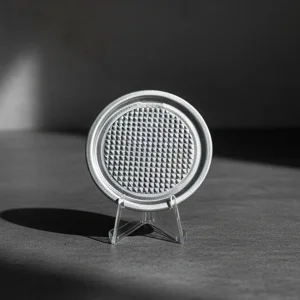
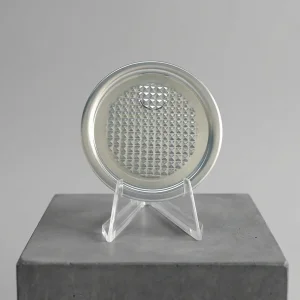
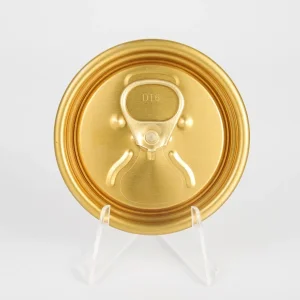
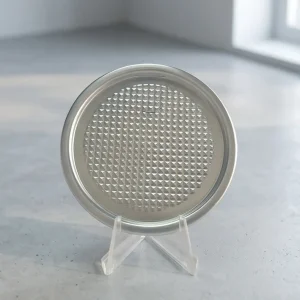
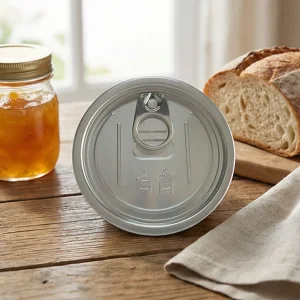
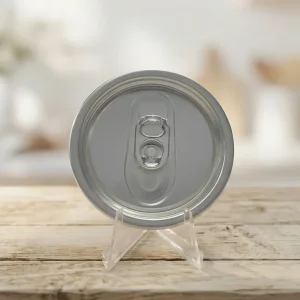
Factory-direct aluminum easy-open ends, color-coated foils, sleek/slim cans, and high-barrier industrial closures engineered for high-speed automated packaging lines.
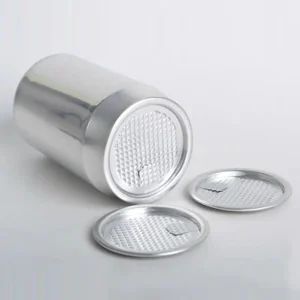
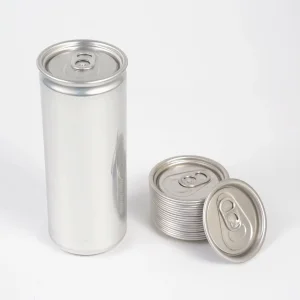
Analysis of technological convergence, lightweighting imperatives, and high-performance polymer coatings driving the next generation of industrial and consumer metal packaging.
The global color aluminum foil and converted metal packaging sector is undergoing a monumental shift. Historically treated as a commoditized commodity, colored aluminum foil, lacquered coil, and precision-stamped closures have evolved into highly engineered, multi-layered functional materials. Today's global brand owners in beverage, pharmaceutical, infant nutrition, and industrial thermal insulation no longer source packaging solely based on price per metric ton. Sourcing algorithms are now optimized around zero-pinhole tolerance, precise surface tension (dyne levels), organoleptic inertness, and carbon footprint lifecycle assessments (LCA).
Driven by strict environmental directives—such as the European Union’s Packaging and Packaging Waste Regulation (PPWR) and global ESG compliance models—manufacturers are transitioning from traditional solvent-based lacquer coating technologies to advanced water-borne, UV-curable, and BPA-NI (Bisphenol A Non-Intentional) polymer platforms. This evolution demands factory setups capable of applying ultra-thin, uniform color coatings (down to 1.5 to 4.0 g/m²) across micro-gauge aluminum substrates while maintaining extreme adhesion during deep drawing, necking, and retort sterilization operations.
Four macroeconomic and technological vectors define current global market dynamics:
Understanding the intent of B2B buyers: Metallurgical purity, lacquer formulation chemistry, earing ratios, and double-seam tolerance engineering.
When global procurement officers and packaging design engineers search for "Wholesale Global Color Aluminum Foil Factory Service & Suppliers", their query intent spans complex engineering parameters rather than superficial pricing requests. Buyers seek direct factory partnerships capable of executing custom continuous coil lacquering, exact slit-width tolerance (+/- 0.05mm), and chemical passivations that prevent corrosion under acidic or salty product environments.
To provide actionable transparency, the table below maps common aluminum foil and sheet alloys, temper conditions, surface treatments, and primary commercial applications essential for B2B supplier selection:
| Alloy Grade | Typical Temper | Thickness Range | Coating / Finish Type | Primary Industrial Application |
|---|---|---|---|---|
| 8011 Aluminum | O / H14 / H18 / H22 | 0.014 mm – 0.20 mm | Epoxy / Polyester / BPA-NI Color Lacquer | Pharma Blister Backing, Dairy Heat-Seal Lids, Powder Can Membrane Seals |
| 5182 Aluminum | H19 / H48 / H49 | 0.20 mm – 0.25 mm | High-Gloss Color Coated / Anodized Surface | Easy-Open Shell Stock (SOT/RPT Ends 200#, 202#, 206#), Carbonated Beverage Lids |
| 3104 Aluminum | H19 / H39 | 0.22 mm – 0.30 mm | Internal Protective Lacquer / External Color Print | Draw and Wall Ironed (DWI) Beverage Cans (250ml Slim, 330ml Sleek, 473ml Standard) |
| 8079 Aluminum | O (Fully Annealed) | 0.006 mm – 0.05 mm | High-Purity Natural / Primer-Coated | Aseptic Liquid Packaging Laminates, Ultra-High Barrier Flexible Pouches |
| 3003 Aluminum | H14 / H24 / H18 | 0.03 mm – 0.50 mm | Colored PVDF / Hydrophilic Acrylic Coating | HVAC Heat Exchanger Fins, Decorative Architectural Foil, Semi-Rigid Food Containers |
Sourcing decision-makers must evaluate factory suppliers across four non-negotiable chemical and mechanical benchmarks:
How integrated manufacturing clusters in Eastern China combine upstream bauxite refining, continuous precision rolling, and smart digital quality control to deliver global competitive superiority.
The competitive edge of leading Chinese color aluminum foil factories lies in total vertical integration and Smart Manufacturing (Industry 4.0). Unlike regional converters that purchase secondary coil from third-party rerollers, tier-one Chinese production hubs oversee the entire metallurgical value chain: from molten aluminum electrolysis and hot-rolling casting to high-speed coil slitting, multi-color gravure printing, and automated stamping of easy-open ends.
This structural concentration yields distinct operational advantages for international enterprise buyers:
Operating at linear speeds up to 450 meters per minute with inline laser thickness gauge sensors, maintaining film weight tolerances within +/- 0.1 g/m² across continuous 10-ton coils.
High-resolution CCD vision systems inspect 100% of the foil surface in real-time, detecting micro-pinholes (>0.01mm), oil spots, scratches, or color shade variations before coil slitting.
Direct connectivity to major container ports (Shanghai, Ningbo, Qingdao) enables rapid ocean container clearance, integrated VMI (Vendor Managed Inventory), and emergency 14-day lead times.
Furthermore, China’s industrial policy has catalyzed deep investment in green energy integration. Advanced factories now run direct solar-microgrid power systems for clean cold-rolling lines, significantly reducing the embedded carbon content (kg CO₂/kg Al) of finished color foil products. This allows overseas importers into Europe and North America to comply seamlessly with CBAM (Carbon Border Adjustment Mechanism) reporting guidelines.
From pharmaceutical cleanrooms to extreme climate thermal insulation—how color aluminum foil products solve critical engineering challenges worldwide.
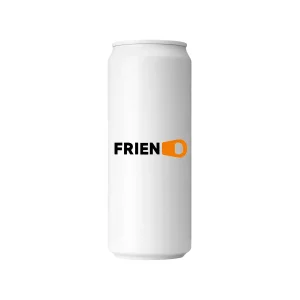
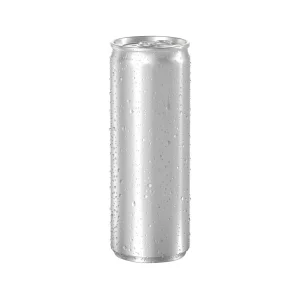
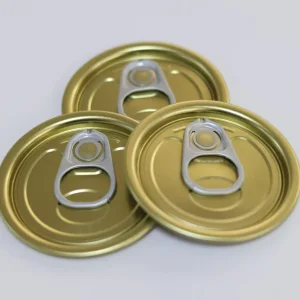
In the global beverage sector, regional consumer preferences mandate distinct can profiles. In North America, 355ml (12oz) standard cans dominated by 202# Stay-On-Tab (SOT) lids are the benchmark. In Europe and Asia-Pacific, sleek 330ml and slim 250ml formats with custom color-anodized or red/black printed pull-tabs lead growth in energy drinks, RTD cocktails, and hard seltzers. Color-lacquered aluminum lid stock must withstand high-pressure pasteurization (up to 65°C for 20 minutes) without fading or softening the organic heat-seal compound.
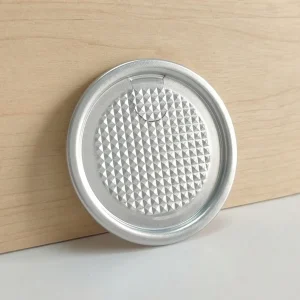
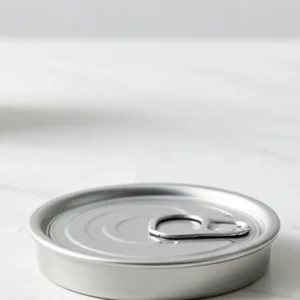
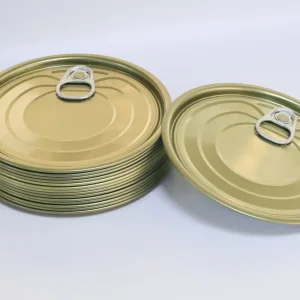
Infant nutrition formula, probiotic powders, and clinical meal replacements rely on precision non-magnetic 202#, 206#, 307#, and 401# aluminum easy-open ends. The foil membrane layer is engineered with specialized peelable polymer lacquers that offer smooth, tear-free opening while maintaining absolute air-tight hermetic seal integrity. Non-magnetic alloys ensure zero magnetic interference when cans pass through inline pharmaceutical metal detection systems.
Beyond packaging, heavy-gauge colored aluminum foil (0.05mm – 0.20mm) coated with weather-resistant PVDF or polyester formulations is extensively utilized in HVAC flexible ducting, insulation panel facings, and architectural composite panels. Color coatings prevent chemical oxidation caused by moisture, salt spray in coastal zones, and UV exposure in high-solar geographic markets like the Middle East and Australia.
Advancing closed-loop aluminum recovery, solvent-free coating technologies, and low-carbon manufacturing compliance.
As corporate sustainability directives tighten globally, aluminum foil manufacturers play a central role in achieving Scope 3 carbon reduction goals. The inherent infinite recyclability of aluminum makes it the ideal material for circular economy initiatives. However, the conversion process—specifically color coating and thermal lacquering—traditionally involved volatile organic compounds (VOCs). Progressive China manufacturing partners have re-engineered these workflows by establishing zero-VOC thermal oxidizers and water-dispersed polymer coating lines.
Clear, authoritative technical answers to assist global procurement directors, quality assurance teams, and packaging engineers.
We deploy food-grade BPA-Non-Intentional (BPA-NI), Epoxy-Phenolic, Organosol, and modified Polyester coatings. For internal acid-resistant food cans and beverage lids, lacquers comply fully with FDA 21 CFR 175.300, EU Regulation (EC) No 1935/2004, and China GB 4806.10 standards. Coating thickness ranges from 1.5 to 12.0 g/m² depending on product acidity (pH) and shelf-life requirements.
Color matching is conducted under spectrophotometric closed-loop control using X-Rite CIELAB space coordinates (ΔE < 0.8 tolerance against Pantone or physical master samples). Continuous digital sensors monitor wet film thickness across the coil during high-speed coating, ensuring complete visual and physical uniformity across 50-ton production runs.
Standard stock specification easy-open ends (e.g., plain or standard colored 202# SOT / 206#) start at trial orders of 200,000 pieces. Custom-printed or non-standard color lacquered coils start at 3 to 5 metric tons per width/color SKU. Standard sea-freight lead times from Shanghai/Ningbo ports are 15 to 25 calendar days post technical artwork sign-off.
Coils are packaged with VCI (Volatile Corrosion Inhibitor) interleave paper, sealed inside heavy-duty polyethylene vapor barriers, and secured on fumigated wooden pallets with plastic edge guards. Stamped lids and ends are packed in food-grade polyethylene sleeves, loaded into desiccated corrugated cartons or fiber drums, and shrink-wrapped onto solid export pallets.
Yes. Our engineering team provides complete technical drawings detailing countersink depth, curl thickness, chuck radius, and lip length for seamer calibration (Ferrum, Angelus, Continental Can compatible). Pre-production sample lots are provided for double-seam teardown, optical seam projection, and burst pressure testing prior to full commercial shipments.
Explore our full line of easy-open aluminum lids, high-barrier powder closures, and food-grade tinplate ends available for wholesale global distribution.