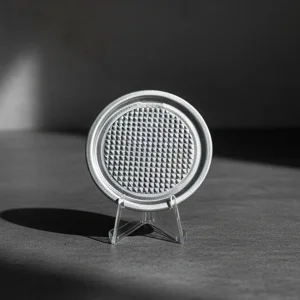
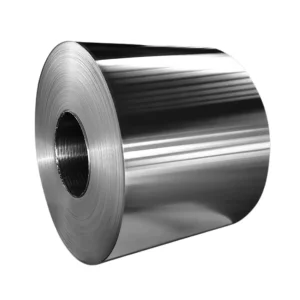
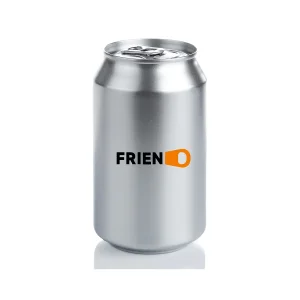
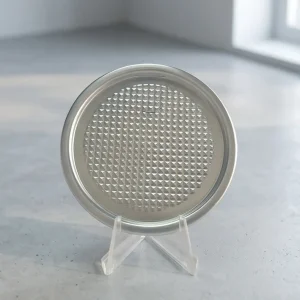
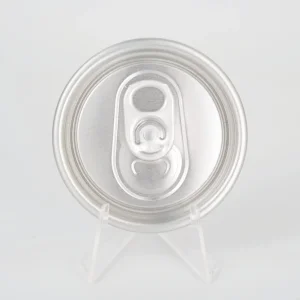
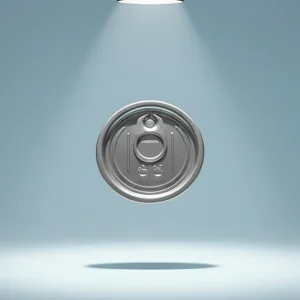
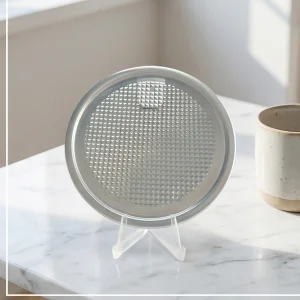
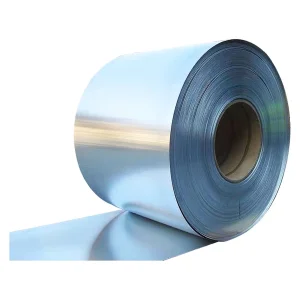
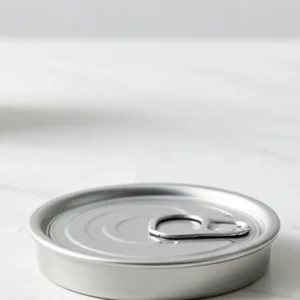
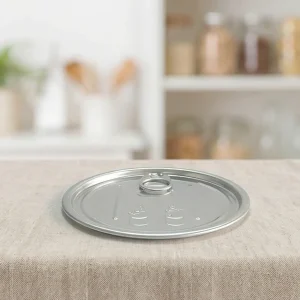
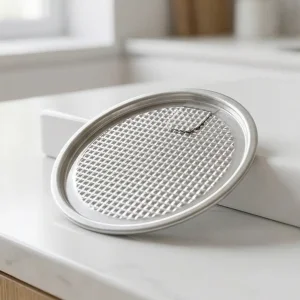
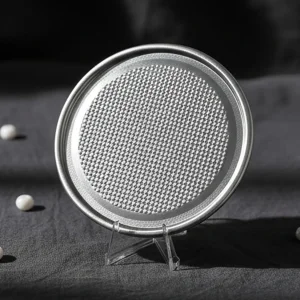
Explore our core wholesale lineup of high-integrity easy-open ends, premium tinplate lids, lightweight aluminum container bodies, and precision-rolled aluminum coils engineered to exact international packaging parameters.
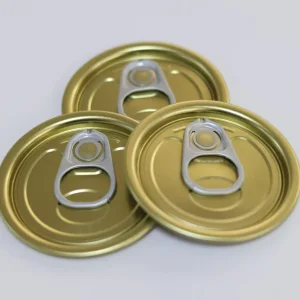
The global metal packaging enterprise stands at a pivotal intersection of material science advancement, aggressive decarbonization mandates, and shifting consumer intent. As brands phase out single-use plastics in favor of infinitely recyclable substrates, the demand for precision-engineered aluminum easy-open ends (EOE), stay-on-tab (SOT) lids, ring-pull-tab (RPT) closures, and tinplate covers has escalated exponentially. Metal closures are no longer viewed merely as passive seals; they are high-stress mechanical components expected to maintain hermetic seal integrity across extreme pressure differentials, aggressive chemical media, and rapid temperature fluctuations during pasteurization and retort processes.
At Shanghai Friend Metals Technology Co., Ltd., operating since 2010 from China's primary shipping hub, our technical framework integrates advanced metallurgical engineering with comprehensive supplier-to-factory oversight. Supply chain volatility—specifically in LME aluminum base pricing and coil processing premiums—requires wholesale buyers to partner with integrated manufacturers capable of supplying certified coil alloys (such as 3104-H19 body stock, 5182-H48 shell stock, 5052 tab stock, and 8011 lacquered foil) alongside ready-to-seam processed ends.
Selecting the appropriate substrate and lining technology depends directly on the physical and chemical characteristics of the packaged product. Carbonated soft drinks (CSD) and beer require high buckle resistance, whereas powdered dairy, nutraceuticals, and industrial chemicals prioritize absolute moisture barrier integrity, anti-static behavior, and vacuum stability.
Primary structural alloy utilized for high-performance beverage and process food end shells. Characterized by high magnesium content, offering optimal work-hardening properties, high tensile strength (≥ 360 MPa), and superior resistance to internal pressure deformation (buckle pressure > 6.2 bar).
Manganese-alloyed aluminum engineered specifically for Deep Drawing and Ironing (DWI) can body manufacturing. Provides exceptionally low earing percentage (< 1.8%), uniform wall thinning capability down to 0.088mm, and consistent column strength for stacking integrity.
Next-generation non-BPA internal lacquers, including modified Acrylic, Polyester, and Organosol lining formulations. Tested to guarantee zero chemical migration, zero flavor scalping, and complete compliance with EU 1935/2004 and US FDA 21 CFR 175.300 standards.
| Closure Size Code | Nominal Diameter | Base Alloy / Temper | Internal Lacquer Type | Pop / Tear Force Target | Primary Industrial Application |
|---|---|---|---|---|---|
| 200# SOT / RPT | 50.8 mm | AA 5182-H48 (0.208-0.220mm) | BPA-NI Modified Polyester | Pop: < 26 N / Tear: < 32 N | Sleek & Slim Beverage Cans, Energy Drinks |
| 202# SOT / CDL | 52.5 mm | AA 5182-H48 / AA 5052-H19 | BPA-NI Organosol / Epoxy-Free | Pop: < 28 N / Tear: < 34 N | Standard CSD, Beer, Hard Seltzers |
| 206# EOE | 56.4 mm | AA 5052 / 8011 Lacquered Foil | Odor-Proof Barrier Synthetic | Pop: < 30 N / Tear: < 38 N | Aroma-Sensitive Powders, Coffee, Tea |
| 300# / 307# EOE | 73.0 mm / 83.3 mm | MR Grade Tinplate / AA 5182 | Retort-Resistant Organosol | Full Aperture Pull < 45 N | Canned Foods, Vegetables, Pet Food |
| 401# / 502# Foil-Peel | 99.0 mm / 127.0 mm | Tinplate Ring + Thermo-Foil | Food-Grade Anti-Corrosion Barrier | Peel Force 12 - 22 N | Infant Milk Powder, Protein Formulas |
The metal container industry is experiencing a profound technological evolution driven by strict ESG (Environmental, Social, and Governance) targets, regulatory pressures regarding food contact safety, and consumer demand for single-serve, highly portable formats.
Reducing coil gauge thickness while maintaining mechanical structural integrity represents the ultimate engineering balance in metal manufacturing. Through the adoption of CDL (Contoured Diameter Light) and Super-End geometries, shell stock thickness has been successfully reduced from traditional 0.224mm standards down to 0.208mm and 0.200mm variants. This transition yields a direct 6% to 10% reduction in raw metal consumption per billion units produced, dramatically lowering scope 3 carbon emissions across global supply chains.
Laser-etched high-density QR codes on the underside of tabs and inner end panels are revolutionizing consumer engagement and track-and-trace security. Suppliers and brands can now track individual batches through retail channels while executing targeted consumer promotions directly via the pull-tab mechanism, establishing an interactive, digitally verified packaging interface.
| Development Horizon | Core Focus Area | Key Technological Threshold | Environmental & Commercial Impact |
|---|---|---|---|
| Near-Term (2024–2025) | Universal BPA-NI Migration | Complete transition to polyester & acrylic liners across all food codes. | Full compliance with EU & FDA strict non-BPA mandates. |
| Medium-Term (2026–2027) | Ultra-Thin Shell Stock (0.198mm) | Redesigned countersink wall angle for buckle pressure retention. | 8% reduction in aluminum metal weight per 1,000 ends. |
| Long-Term (2028–2030) | 100% Closed-Loop Recycled Content | High-purity post-consumer scrap sorting & direct remelting lines. | Up to 95% energy savings compared to primary aluminum smelting. |
Packaging environments vary dramatically based on geography, climate conditions, filling temperatures, and distribution channels. A single global specification is insufficient; tailored industrial solutions are vital to prevent failure modes such as coastal rust formation, altitude buckle, or moisture-induced powder clumping.
Challenge: High internal CO2 gas pressure (up to 4.2 volumes) combined with tunnel pasteurization heat (60°C–65°C) risks end buckling.
Engineering Solution: 202# SOT ends manufactured from AA5182-H48 shell stock with reinforced double-depth countersinks, engineered to withstand over 6.2 bar internal hydrostatic burst pressure.
Challenge: Oxygen absorption and ambient moisture entry degrade sensitive vitamins and cause powder caking.
Engineering Solution: 401# and 502# foil-peelable ends paired with nitrogen flushing packaging systems, achieving residual oxygen levels below 0.5% and maintaining absolute hermetic seal security over a 36-month shelf life.
Challenge: High ambient humidity, marine salt fog, and condensation cause external rim oxidation on tinplate closures during transit.
Engineering Solution: Specialized 401# rust-proof aluminum lids and upgraded tinplate coatings featuring high-density clear lacquer oversprays, passing 96-hour neutral salt spray (NSS) testing.
Browse our comprehensive catalog of wholesale aluminum coils, specialty non-magnetic closure ends, high-temperature sterilisable powder lids, and standardized beverage cans.
Achieving superior operational performance across international filling facilities requires a rigorous quality control paradigm during metal conversion. Our production facilities deploy high-speed automated presses (Minster, Stolle, Dayton) integrated with 100% online optical vision inspection systems.
Every production batch undergoes five critical mechanical and physical verification steps before release:
We operate as an extended technical engineering partner for your packaging line. When commissioning new can bodies or transitioning from tinplate to aluminum ends, our technical service team provides:
Addressing key technical, regulatory, and logistics queries for industrial B2B metal packaging procurement specialists.