Engineered with ultra-precise score line depth, food-contact grade internal coatings, and superior burst pressure resistance for modern filling lines.
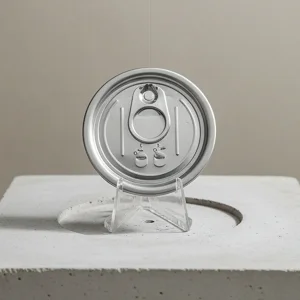
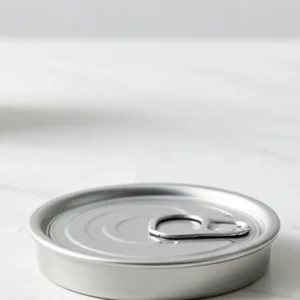
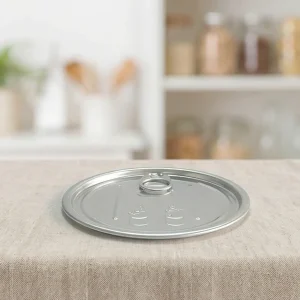
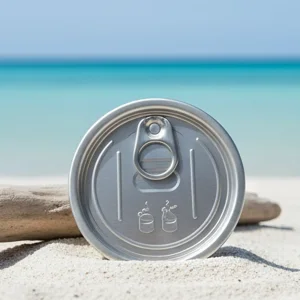
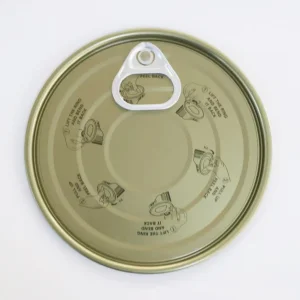
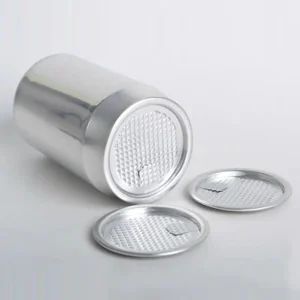
Navigating global enterprise procurement demands advanced metallurgy, zero-defect double seam compatibility, and non-BPA food contact compliance.
In the highly competitive international food, beverage, and industrial powder markets, packaging integrity directly influences brand equity, shelf-life performance, and total cost of ownership (TCO). Transitioning toward sustainable metal packaging requires rigorous evaluation of aluminum coil temper (5182-H48 vs 3104-H19), organic/organosol protective lacquers, and precise mechanical feather-weighting.
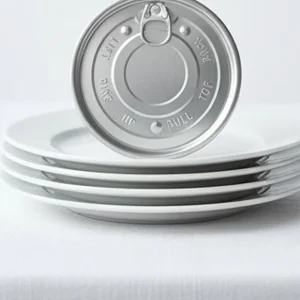
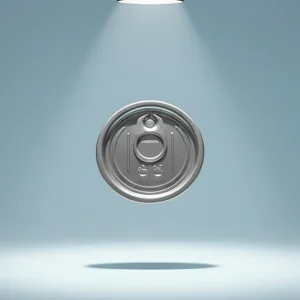
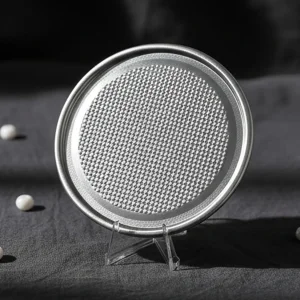
Our global end manufacturing service integrates fully automated high-speed stamping presses (up to 1,200 ends per minute per line) equipped with inline optical vision inspection systems. Every batch of Easy Open Ends (EOE) and Stay-On-Tab (SOT) lids is verified against stringent micro-leakage thresholds, seam curl dimensions, and pop-and-pull force metrics to ensure frictionless integration with high-capacity seamers (such as Angelus, Ferrum, and FMC machinery).
Why multinational beverage brands, pharmaceutical formulators, and specialty powder manufacturers trust our wholesale service engineering.
Consumers demand seamless utility without sacrificing hermetic seal integrity. Our engineered score-line residual geometries deliver optimal pop forces (15–22 N) and pull-to-open forces (25–38 N), preventing tab detachment or jagged metal tears across diverse age demographics.
Aromatic spices, infant formulas, and craft beers present complex chemical compositions (low pH acids, essential oils, high alcohol content). We apply modified epoxy, acrylic, or BPA-Non-Intent (BPA-NI) organosol interior coatings designed to prevent substrate degradation and ion leaching.
Line stoppages cost enterprise packaging facilities tens of thousands of dollars per hour. Our easy-open ends feature micro-meter level end curl uniformity and countersink depths, preventing seamer jam-ups and double seam cut-overs during high-velocity production runs.
Cross-reference standard neck diameters, material alloys, and physical performance thresholds engineered for industrial scalability.
| End Size (Code) | Nominal Diameter | Primary Alloy | Countersink Depth | Pop / Pull Force Range | Burst Pressure Rating | Key Application Focus |
|---|---|---|---|---|---|---|
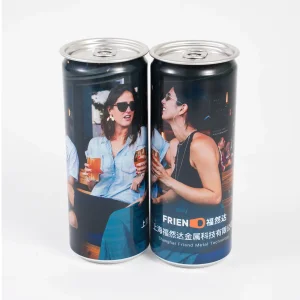
| 200# (50mm) | 50.8 mm | Alloy 5182-H48 | 1.85 ± 0.10 mm | 14 - 20 N / 24 - 32 N | ≥ 6.2 bar | Sleek & Slim Beverage Cans (Energy, RTD) |
| 202# (52mm) | 52.5 mm | Alloy 5182-H48 / H19 | 2.00 ± 0.10 mm | 15 - 22 N / 26 - 36 N | ≥ 6.2 bar | Standard Carbonated Soft Drinks, Craft Beer |
| 209# (63mm) | 62.5 mm | Alloy 5052 / 8011 | 2.20 ± 0.12 mm | 18 - 25 N / 30 - 40 N | ≥ 2.5 bar | Cold Storage Powders, Freeze-Resistant Goods |
| 300# (73mm) | 72.9 mm | Alloy 5182-H39 | 2.40 ± 0.12 mm | 20 - 28 N / 32 - 42 N | ≥ 2.0 bar | Electronic-Grade Powders, Anti-Static Packaging |
| 307# (83mm) | 83.3 mm | Alloy 5052-H19 / Tinplate | 2.60 ± 0.15 mm | 22 - 30 N / 35 - 45 N | ≥ 1.8 bar | Canned Foods, Retort Meat & Fruit Products |
| 401# (99mm) | 99.0 mm | Alloy 5052 / Tinplate T3 | 2.85 ± 0.15 mm | 24 - 32 N / 38 - 50 N | ≥ 1.5 bar | Rust-Proof Coastal Powder Storage, Coffee Cans |
| 502# (127mm) | 127.0 mm | Alloy 5052 / 8011 Foil | 3.10 ± 0.18 mm | 26 - 35 N / 40 - 55 N | ≥ 1.2 bar | Infant Milk Powders, Large Nutritional Drums |
| 603# (153mm) | 153.0 mm | Food-Grade Tinplate (ETP) | 3.50 ± 0.20 mm | 30 - 42 N / 48 - 65 N | Airtight Dry Seal | Commercial Catering, Institutional Food Packaging |
Aluminum easy-open ends utilize a multi-alloy system engineered for contrasting mechanical stresses. The lid shell demands ultra-high tensile yield strength to withstand internal hydrostatic pressure from carbonation or gas flushing (Nitrogen injection). 5182-H48 alloy containing 4.0%-5.0% Magnesium provides optimal work-hardening properties.
Conversely, the tab mechanism utilizes 5052-H19 or 5052-H38 coil, which balances elongation with stiffness to allow smooth levering over the rivet without catastrophic stress-fracturing under tension.
A critical component of our global service is the liquid-applied water-based synthetic rubber lining compound injected into the peripheral curl channel. Applied via high-speed rotary nozzle station and oven-cured, this elastic lining fills microscopic imperfections on the can flange during the double-seaming process.
This ensures zero micro-leakage (gas permeability < 0.05 cm³/m²·day), preventing oxygen ingress and humidity absorption in sensitive powders and volatile beverages.
From non-magnetic medical grade powders to high-corrosion coastal storage, discover how our custom specifications mitigate operational risk.
In cleanroom pharmaceutical packaging, magnetic interference during automated filling and inline X-ray metal detection can compromise quality control. Our non-magnetic 209FA# easy-open lids undergo specialized demagnetization surface treatments and pass cleanroom particle hygiene checks (ISO Class 7 equivalent).
Ultra-fine metallic or ceramic powders utilized in semiconductor and battery manufacturing suffer from electrostatic adhesion during unsealing, leading to product loss and contamination. We integrate permanent anti-static surface treatments into the inner lacquering matrix, bleeding static charge safely to ground.
High humidity, salt-laden ocean freight, and cold-chain condensation accelerate corrosion on tinplate or untreated aluminum score lines. Our specialized rust-proof and freeze-resistant formulations apply double-pass post-repair lacquers directly over the score line cut, guaranteeing multi-year storage durability.
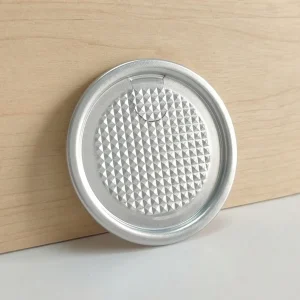
Visual verification of internal tamper-evident seals drives consumer confidence in infant formula and high-value gourmet powders. We supply clear peelable foil-laminate ends and transparent membrane combinations (502# format) engineered for scoop storage and re-sealability.
Eliminating production risks before shipment through comprehensive metallurgical testing, optical inspection, and double seam teardown verification.
Incoming aluminum coils (3104/5182/5052) are tested via X-ray fluorescence spectrometry for precise alloy composition, tensile yield, and thickness tolerance within ±0.003mm.
Every single stamped end passes through 100% automated optical inspection sensors to detect score scratches, rivet misalignments, curl dents, or compound bubbles at 1,200 PPM.
Conductivity testing (WACO Enamel Rater) verifies internal lacquer coverage continuity. Any current leakage above 0.5mA triggers immediate line recalibration.
Random production samples undergo destructive double seam teardown testing. Seam length, overlap percentage (>55%), body hook, cover hook, and burst pressure are logged.
Ensuring hassle-free customs clearance and pristine product delivery across EU, North American, Middle Eastern, and APAC ports.
All packaging components manufactured and supplied under our global wholesale service comply fully with primary international food contact materials legislation:
Ocean transportation exposes metal packaging to thermal expansion, sea water humidity, and mechanical vibration. We utilize specialized heavy-duty export packaging protocols:
Detailed technical solutions to common engineering, procurement, and seaming integration challenges.
Transparent tops, odor-proof barrier seals, and specialized powder format ends designed for strict consumer and industrial requirements.
Contact our senior metal packaging directors for comprehensive technical engineering specifications, double seam calibration drawings, or to request a factory-direct sample kit.
