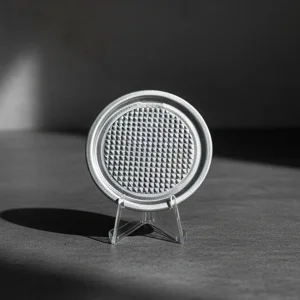
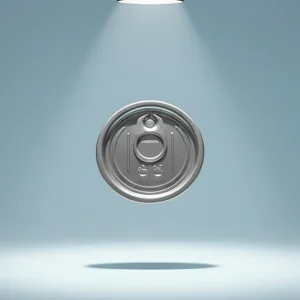
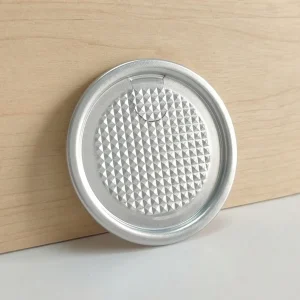
Direct supply of high-performance metal packaging components engineered for ultra-fast, zero-spill double seaming.
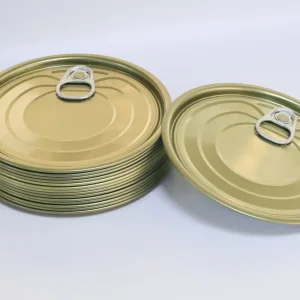
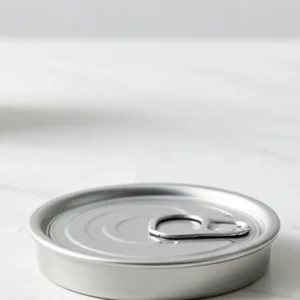
Analyzing global demand, mechanical tolerances, and supply chain dynamics for high-speed filling lines.
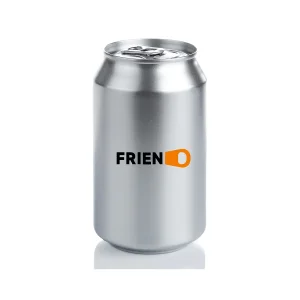
The modern metal packaging ecosystem is defined by absolute mechanical precision, rapid lightweighting initiatives, and uncompromising food safety regulations. In the high-speed filling sector—where beverage lines routinely operate between 1,200 and 3,000 cans per minute (CPM)—the mechanical integrity of a beverage end is non-negotiable. As global beverage brands transition away from single-use plastics toward infinitely recyclable aluminum packaging, the search for trustworthy wholesale global beverage ends manufacturers, services, and suppliers has become a strategic priority for procurement directors worldwide.
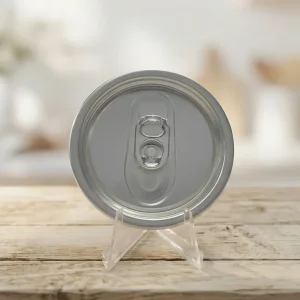
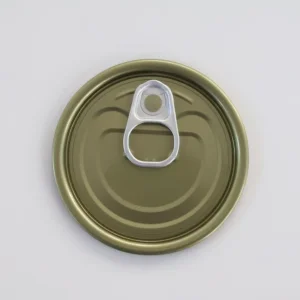
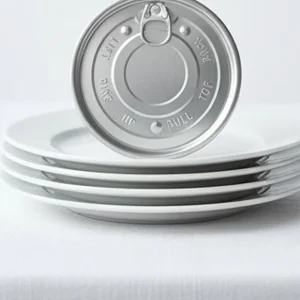
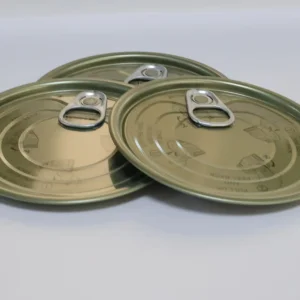
A beverage end (also categorized as an Easy-Open End / EOE, Stay-On Tab / SOT lid, or Ring-Pull Tab / RPT lid) is not merely a stamped metal cap. It is a highly engineered structural component designed to withstand intense internal pressure (up to 6.2 bar or 90 PSI for carbonated soft drinks and beer), resist aggressive chemical contents, maintain a hermetic seal over multi-year shelf lives, and open effortlessly under human hand pressure without creating micro-fragmentation or sharp burrs.
Technical Information Gain: Standard industrial can seams operate within a physical clearance window of less than 0.05 mm. Sourcing beverage ends from specialized manufacturing partners guarantees that shell curl parameters, countersink depth, and compound lining weight strictly match your specific seamer chucks (e.g., Angelus, Ferrum, Stolle), eliminating line jams and costly micro-leakage micro-fractures during thermal pasteurization.
Deep-dive analysis into aluminum alloy tempers, double-seam mechanics, and food-contact barrier coatings.
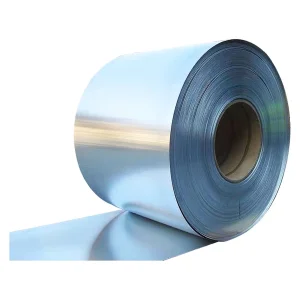
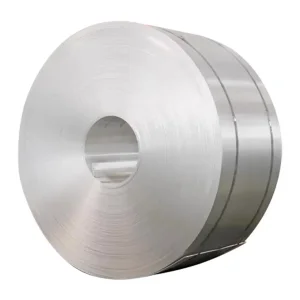
Beverage end shells require exceptional tensile strength to resist internal gas pressures. We predominantly engineer end shells using AA5182-H48 aluminum-magnesium alloy, treated with precise tension leveling to achieve ultra-high yield strength. For pull-tabs, AA5052-H38 or AA5042 is deployed, providing optimum ductility for high-speed rivet forming without surface cracking.
With stringent global food safety directives (such as EU Commission Regulation 2024/1987 and FDA 21 CFR 175.300), our beverage ends feature non-intent Bisphenol-A (BPA-NI) acrylic or polyester water-based internal lacquers. Applied at high film weights (6–10 g/m² dry basis), these lacquers prevent organic acids, alcohol, and CO₂ from corroding the raw aluminum substrate.
The peripheral seam area of each end is injected with a high-solids, non-toxic liquid rubber compound (gasket). Under double-seam compression, this compound flows seamlessly into the first and second operation seam hooks, filling micro-voids and guaranteeing zero gas escape over a 24-month product shelf life.
| End Size Code | Nominal Diameter (mm) | Alloy & Temper | Shell Profile Type | Internal Pressure Rating | Primary Target Application |
|---|---|---|---|---|---|
| 200# SOT / RPT | 50.8 mm | AA5182-H48 | CDL / B64 / SuperEnd | ≥ 6.2 Bar (90 PSI) | Sleek & Slim Energy Drinks, Hard Seltzers |
| 202# SOT / RPT | 52.5 mm | AA5182-H48 | CDL / ISE / B64 | ≥ 6.2 Bar (90 PSI) | Standard CSD, Beer, Sparkling Water, RTD Teas |
| 206# EOE | 57.0 mm | AA5182-H48 / AA3104 | Full-Aperture / Standard | ≥ 4.5 Bar (65 PSI) | Juices, Ready-to-Drink Coffee, Milk Tea |
| 209# / 211# EOE | 62.5 mm / 65.3 mm | AA5182 / Tinplate T4/T5 | Full Opening / Foil Membrane | Airtight Vacuum Seal | Canned Foods, Powder Products, Nuts & Snacks |
| 401# / 502# EOE | 99.0 mm / 127.0 mm | Tinplate / Aluminum 8011 | Sanitary / Easy-Peel Foil | Nitrogen Flush / Vacuum | Infant Formula, Protein Powders, Coffee Beans |
Why leading global beverage brands rely on Chinese production clusters for scalable end manufacturing.
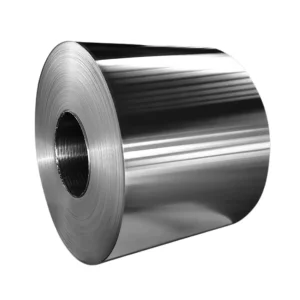
The international metal packaging supply chain relies heavily on China’s unmatched industrial infrastructure. As a premier hub for beverage packaging manufacturing, our facility integrates raw coil rolling, coil lacquering, high-speed multi-die stamping, and automated video-inspection systems into a single synchronized workflow. This end-to-end integration offers undeniable strategic benefits for global procurement teams:
Utilizing high-speed Stolle, Minster, and DRT conversion presses, our production lines operate at speeds exceeding 3,000 ends per minute per line. Precision electronic sensors monitor scoring depth down to the micron level, ensuring consistent pop-and-pull opening forces while preventing premature score fracture during high-speed transportation.
Strategic positioning near Shanghai Port—the busiest container port in the world—enables seamless ocean freight logistics. Beverage ends are dense, high-volume cargo. We pack ends in moisture-barrier poly-sleeves, secured inside reinforced corrugated paper tubes or metal-banded wooden pallets, maximizing 40-foot High Cube container fill rates to reduce ocean freight costs per thousand units.
Key quality control protocols essential for seamless integration into high-speed bottling & canning facilities.
Seam integrity is evaluated via optical seam profile analyzers. Critical attributes including body hook length, end hook length, seam tightness percentage (≥ 85%), and overlap distance are recorded per batch to eliminate seaming defects like cut-overs, false seams, or droops.
Post-stamping, internal coatings undergo rigorous High-Voltage Enamel Rater testing (typically set at 6.3V). A passing threshold requires electrical current readings under 2.0 mA across sample lots, confirming zero pinholes or micro-cracks along the score line or rivet area.
Human interaction with the tab demands precise calibration. Score depth is micro-machined to ensure a "Pop Force" (initial venting effort) between 15 to 28 N, and a "Pull Force" (full tab actuation to push panel down) under 35 N, avoiding tab tearing or excessive consumer exertion.
From pasteurized craft beers to moisture-sensitive infant formula powders.
Carbonated soft drinks (CSD) and craft beers place immense stress on metal closures due to carbonation expansion during shipping and tunnel pasteurization (reaching internal temperatures of 60–65°C). We supply 202# and 200# CDL/SuperEnd aluminum ends engineered with optimized countersink geometry, ensuring high resistance to pressure dome distortion (buckle resistance up to 90 PSI).
High-acid fruit beverages, citrus drinks, and RTD tea formulas can accelerate metal degradation if coating film thickness is inadequate. Our dual-coat organosol and high-performance BPA-NI polyester internal lacquer systems provide complete chemical isolation, protecting beverage flavor profiles without organoleptic alteration.
For moisture-sensitive powders like infant formula, adult nutritionals, and premium coffee, airtight moisture barriers are critical. We produce 300#, 401#, and 502# Easy-Open Ends featuring safety-peel foil membranes or full-aperture pull tabs, tested against strict oxygen transmission rates (OTR) and moisture vapor transmission rates (MVTR).
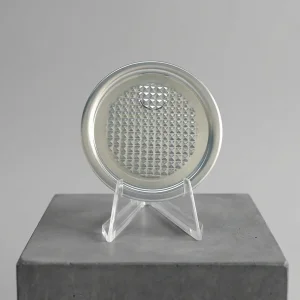
Beyond food and beverages, non-magnetic 209# FA and Tinplate Lids serve pharmaceutical powders, solvent packaging, and specialized industrial chemicals. These ends feature custom compound formulations tailored to withstand volatile organic solvents without softening or leaking.
Certified food-contact safety standards combined with infinite aluminum recyclability.
Navigating international import regulations requires flawless documentation. As an established supplier to global brand owners, our manufacturing facilities operate under ISO 9001:2015, ISO 22000 / FSSC 22000 food safety management systems. Every shipment of beverage ends is issued with comprehensive analytical certificates:
Sustainability Advantage: Aluminum is a prime driver of the circular economy. Over 75% of all aluminum ever produced globally remains in productive use today. Using 5182 aluminum ends reduces lifetime product carbon emissions by up to 95% when recycled compared to primary ingot production, directly supporting corporate ESG carbon neutrality goals.
Lightweighting innovations, smart digital ends, and next-generation barrier technologies.
The global metal packaging industry is rapidly shifting from traditional 202# B64 shell geometry to lightweighted CDL and ISE formats. By reducing shell thickness from 0.224 mm down to 0.208 mm or 0.198 mm, global beverage producers save thousands of metric tons of aluminum raw material annually while retaining full pressure resistance.
Consumer engagement has moved directly onto the packaging tab. High-resolution fiber laser systems engrave promotional QR codes, alphanumeric codes, or brand logos onto the underside or top surface of 5052 aluminum tabs, driving anti-counterfeiting security and interactive marketing campaigns.
On-the-go consumer lifestyles demand resealable functionality for larger format beverage cans (e.g., 500 ml or 24 oz). Advanced Resealable Pull Tab (RPT) closures integrate food-grade polymer rotating covers over aluminum apertures, allowing consumers to open, drink, re-close, and preserve carbonation effortlessy.
Direct answers from our engineering and sales export team regarding MOQ, seaming tooling, and delivery schedules.
Explore our premium raw material aluminum coils and specialty powder lid packaging solutions.