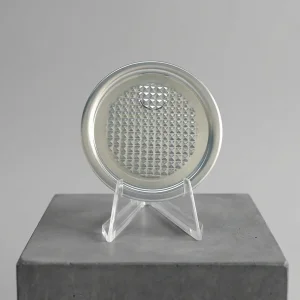
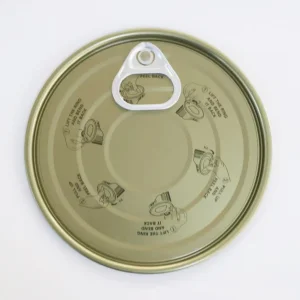
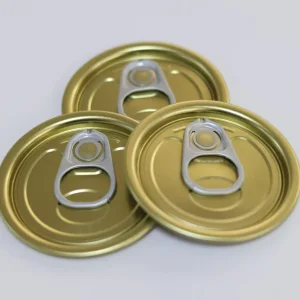
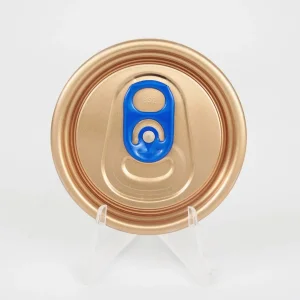
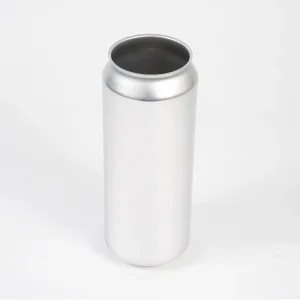
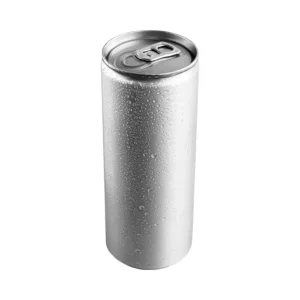
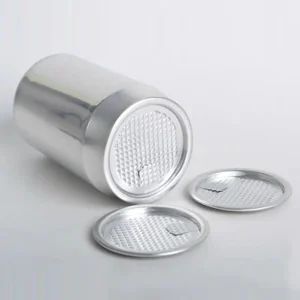
Engineered to satisfy demanding double-seam tolerances, sterilization requirements, and high-internal-pressure shelf environments.
Analyzing macroeconomic shifts, circular economy mandates, and technical convergence across global rigid aluminum packaging ecosystems.
The global packaging sector is undergoing a structural paradigm shift driven by stringent corporate sustainability targets, evolving regulatory frameworks such as the European Union Packaging and Packaging Waste Regulation (PPWR), and extended producer responsibility (EPR) legislation across North America. As single-use plastics face mounting legislative restrictions and consumer backlash, rigid aluminum containers and precision easy-open ends (EOEs) have emerged as the primary operational choice for global FMCG brands, pharmaceutical giants, and specialized chemical distributors.
Unlike composite plastics or multi-layer paperboards, aluminum maintains intrinsic material value throughout its lifecycle. It represents a closed-loop recycling ecosystem where secondary smelting requires only 5% of the energy utilized in primary bauxite extraction. This structural economic advantage, paired with near-zero gas permeability and absolute light barrier properties, makes aluminum tins, two-piece drawn and wall-ironed (DWI) cans, and specialized lids the backbone of contemporary product preservation science.
Aluminum tinware eliminates moisture vapor transmission rates (MVTR) and oxygen transmission rates (OTR) completely. This hermetic barrier protects active pharmaceutical ingredients (APIs), infant nutrition formulations, and delicate beverage aromatics from oxidative degradation and UV-induced flavor alteration.
Modern high-speed filling lines operate at velocities exceeding 1,200 to 2,000 cans per minute (CPM). Standardized dimensioning in shell profiles, flange parameters, and countersink depths ensures consistent feed stability, minimizing seamer jams and costly line shutdowns.
By leveraging ultra-lightweight alloys (such as 3104-H19 for can bodies and 5182-H48 for easy-open ends), manufacturers can reduce transport-related carbon emissions while increasing thermal conductivity for energy-efficient cold-chain chilling cycles.
A deep dive into alloy selection, score line dynamics, and advanced non-BPA internal liner chemistry.
Producing defect-free aluminum tins and ends requires precise control over crystal grain alignment, yield strength, and elongation parameters. Raw coil materials are carefully specified according to their chemical compositions and strain-hardened tempers:
| Alloy & Temper | Primary Application | Tensile Strength (MPa) | Yield Strength (MPa) | Key Engineering Benefit |
|---|---|---|---|---|
| 3104-H19 | DWI Can Bodies (12oz, 355ml, 500ml) | 270 - 310 | 255 - 295 | Optimized earing control during deep drawing; exceptional wall ironing ductility. |
| 5182-H48 | EOE Shells (200#, 202#, 211#) | 360 - 410 | 310 - 360 | High magnesium content provides superior buckle resistance under internal pressure. |
| 5052-H38 | EOE Pull Tabs & Non-Magnetic Lids | 210 - 260 | 180 - 230 | Excellent bendability and fatigue resistance; zero magnetic interference for specialized pharma lines. |
| 8011-O / H14 | Pharmaceutical Lids & Foil Membranes | 130 - 180 | 80 - 140 | High elongation properties ideal for deep embossing, crimping, and delicate sealing rings. |
The internal surface of an aluminum container must prevent ionic exchange between the metal substrate and the product. Acetic acids, carbon dioxide, essential oils, and pharmaceutical solvents can cause micro-corrosion if the protective barrier is breached.
Global regulatory pressure has catalyzed a universal transition away from traditional Bisphenol-A (BPA) epoxy lacquers toward next-generation BPA-Non-Intent (BPA-NI) systems. Our manufacturing lines utilize three primary advanced internal liner chemistries:
The functional reliability of an Easy-Open Lid depends on the precision of the score line—the micro-groove stamped into the metal shell that allows the tab to pull open effortlessly. If the residual metal thickness at the score line is too thick, the pop-and-pull force exceeds consumer usability limits (>35 N). Conversely, if it is too thin, the end risks premature rupture under internal gas pressure or thermal expansion during transit.
Our automated high-speed stamping presses maintain score residual tolerances within ±0.002 mm, ensuring a consistent balance between structural safety (burst pressure resilience >6.2 bar) and consumer ease of use.
Tailoring dimensional parameters, alloy tempers, and closure mechanics to meet specialized market environments.
Requires Non-Magnetic 209FA# Aluminum Lids and high-temperature sterilizable alloys. These closures undergo cleanroom wash protocols, anti-static coating processes, and gamma/retort compatibility testing to prevent static powder clinging and contamination in aseptic cleanroom environments.
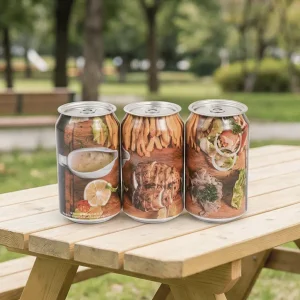
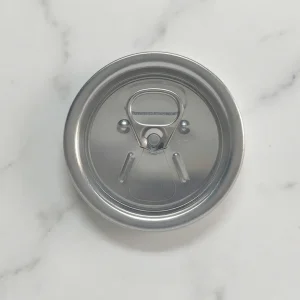
Utilizes standard 12oz (355ml), Sleek 330ml, and Slim 250ml Cans combined with 200# or 202# Stay-On-Tab (SOT) and Ring Pull-Tab (RPT) ends. Specialized for microbreweries, RTD canned cocktails, energy drinks, and kombucha requiring nitrogen dosing and pasteurization stability.
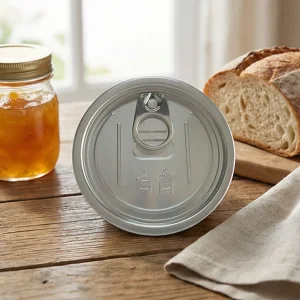
Large-format 211#, 307#, 401#, and 502# Easy-Open Ends and Tinplate Lids. Feature deep-embossed safety rims, foil membrane integration, and tamper-evident pull ring mechanics, ideal for milk powders, dietary supplements, coffee beans, and dried fruits.
How industrial clustering, automated production, and integrated metallurgy deliver unbeatable quality and lead-time agility.
Navigating global supply chain volatility requires manufacturing partners with deep vertical integration and infrastructure strength. Modern Chinese aluminum packaging facilities leverage an integrated industrial matrix where primary smelting, continuous coil casting, high-speed slitting, multi-color dry offset printing, and precision stamping operate within tight geographical clusters.
This geographic concentration creates structural cost savings, rapid tooling responsiveness, and robust lead-time guarantees:
Pioneering ultra-lightweight designs, digital anti-counterfeiting, and low-carbon smelting technologies.
By optimizing sidewall profile geometry and implementing strain-hardening alloys, engineering teams are reducing can body wall thickness down to 0.088 mm while maintaining column crash strength (>1.1 kN), directly reducing transport emissions.
Under-tab laser coding and high-resolution direct-to-can digital printing allow brands to incorporate anti-counterfeiting serialization, track-and-trace supply chain visibility, and interactive consumer engagement campaigns.
Forward-thinking suppliers are transitioning to aluminum produced via inert anode technology powered by hydroelectricity. This cuts Scope 1 and 2 manufacturing carbon footprints by up to 80% compared to traditional coal-fired refining.
Ensuring complete food-contact safety, international certification alignment, and end-to-end technical support.
International procurement requires absolute confidence in regulatory compliance. Products manufactured across our accredited facilities strictly conform to global food-contact safety standards and industrial quality management frameworks:
Certified under FDA 21 CFR 175.300 (Resinous and Polymeric Coatings), EU Regulation (EC) No 1935/2004, and GB 4806.10-2016. Regular migration testing ensures heavy metal limits (Pb, Cd, Hg, Cr VI) remain well below international action levels.
Manufacturing protocols operate under strict ISO 9001:2015 (Quality Management), ISO 22000 / FSSC 22000 (Food Safety Management), and GMP (Good Manufacturing Practice) cleanroom conditions for medical-grade packaging lines.
Our dedicated packaging engineers provide on-site and virtual support for double-seam setup, teardown evaluation (measuring overlap, countersink, seam gap, and hook length), ensuring your filling line seamer parameters achieve zero leaks.
Expert answers regarding minimum order quantities, customization options, seamer setup, and logistics protections.
Explore our complete inventory of global packaging configurations engineered for diverse industrial and beverage filling applications.