Certified high-barrier aluminum cans, easy-open ends, and sterilisable lids built for high-speed filling lines and extended product shelf life.
Analyzing global material dynamics, hermetic sealing chemistry, and compliance paradigms across beverage, pharmaceutical, and dry food packaging ecosystems.
In the contemporary B2B packaging landscape, the demand for high-performance aluminum foil seals, easy-open ends (EOE), and induction foil membranes has transitioned from standard containment to advanced biochemical barrier engineering. Global manufacturers, food brand owners, and pharmaceutical formulators face aggressive operational challenges: extended ocean logistics lead times, stringent food contact regulations (such as BPA-NI directives), and zero-tolerance mandates for microbial contamination or oxidative degradation.
An aluminum foil seal acts as a primary protective barrier. Engineered by bonding metallic foils—typically high-purity aluminum alloys like 8011, 3104, or 5182—with specialized heat-sealable polymer lacquers or induction-responsive liners, these components prevent volatile ingress and egress. Moisture vapor transmission rates (MVTR) and oxygen transmission rates (OTR) approach absolute zero when an unbroken aluminum layer is preserved across the neck or rim of a container.
Understanding the metallurgical composition, coating structures, and thermal-induction mechanics behind commercial aluminum closure systems.
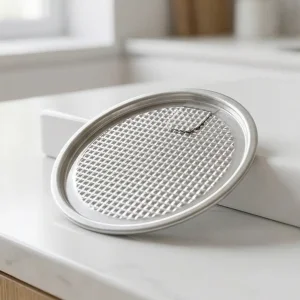
Induction seal wads utilize non-contact electromagnetic heating to bond an aluminum foil membrane to rigid container lips (PE, PP, PET, Glass).
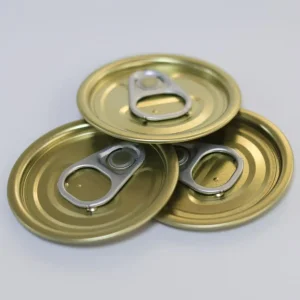
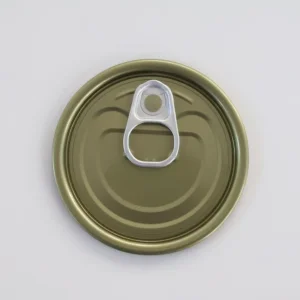
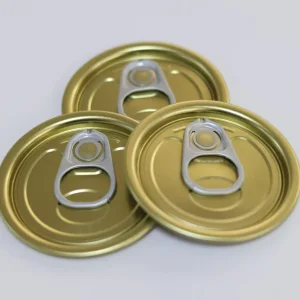
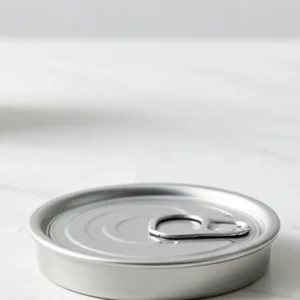
Stamped metallic lids featuring integrated score lines and stay-on or ring-pull tabs for tool-free opening without jagged edge exposure.
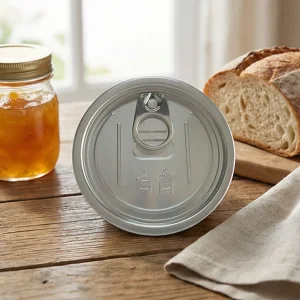
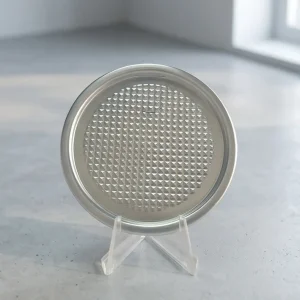
Flexible aluminum foil membranes micro-embossed and heat-sealed onto rigid tinplate or aluminum rings for clean, effortless removal.
Selecting the correct metallurgical alloy and coating profile is essential to prevent seal failure, internal corrosion, or seam leakage during high-pressure thermal processing.
| Closure / Packaging Type | Alloy Standard | Gauge Range (mm) | Internal Coating System | Burst Pressure / Performance Rating |
|---|---|---|---|---|
| 200# / 202# Beverage Ends (SOT/RPT) | Alloy 5182-H48 | 0.21 - 0.24 mm | BPA-NI Modified Epoxy / Waterborne Acrylic | > 6.2 bar Buckle Pressure |
| 305# / 307# Sterilisable Powder Lids | Alloy 8011-O / 3104 | 0.22 - 0.28 mm | High-Retort Organosol (121°C / 30 min) | Hermetic Seal (Zero Leaks under 100 kPa) |
| 209FA# Non-Magnetic Pharma Ends | Alloy 5052 / 8011 | 0.18 - 0.22 mm | Pharma-Grade Non-Toxic Clear Lacquer | Non-Magnetic / Clean-Room Suitable |
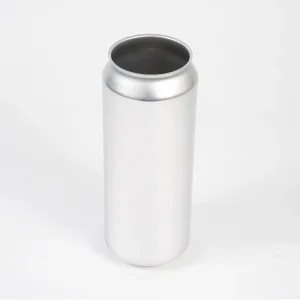
| Slim/Sleek/Standard Aluminum Cans | Alloy 3104-H19 | 0.24 - 0.28 mm | Cross-linked Polyolefin / BPA-NI Lining | Axial Load Strength > 1.2 kN |
How regional manufacturing hubs, raw material volatility, and cold-rolling advancements impact international B2B procurement strategies.
The global production of aluminum packaging components is heavily concentrated in specialized industrial clusters across East Asia, North America, and Europe. China has established itself as the global manufacturing epicenter for precision coil slitting, high-speed stamping, and secondary lacquer conversion. Facilities equipped with imported Minster presses and high-speed double-seaming inspection cameras operate at scale, delivering competitive unit economics paired with tight dimensional tolerances.
Procurement teams must evaluate regional supply lines based on quality certifications, transport duration, and technical support capabilities:
To guarantee that aluminum foil seals and lids perform flawlessly under high-stress processing conditions, raw coil stock undergoes rigorous metallurgical processing:
Hydraulic Automatic Gauge Control (AGC) systems maintain coil thickness tolerances within ±0.002mm, ensuring consistent crimping and double-seam formation during high-speed can closing.
Chemical washing removes rolling oils, followed by chromium-free conversion coatings that promote chemical adhesion of internal lacquers and prevent filiform corrosion.
Up to 6-color dry offset printing machines apply UV-curable inks, matte finishes, or tactile varnishes, monitored by automated optical inspection (AOI) cameras to eliminate artwork defects.
Mitigating cross-border procurement risk through comprehensive regulatory documentation and technical filling-line calibration.
B2B packaging procurement is not merely about sourcing physical components; it is about ensuring seamless line compatibility and absolute regulatory safety in target consumer markets. A minor mismatch in end curl dimensions or lacquer cure can result in catastrophic batch contamination, expensive line downtime, or product recalls.
Every shipment of aluminum foil seals, easy-open ends, and can bodies must be accompanied by comprehensive quality verification records:
Verifies that organic coatings in contact with aqueous, acidic, fatty, or alcoholic foods comply with total extractables and migration thresholds under elevated temperatures.
Mandates overall migration limits (OML) and specific migration limits (SML) testing, ensuring zero transfer of harmful chemical constituents to the packaged product.
Global food safety management certification ensuring clean-room handling, pest control, and automated vision inspection throughout stamping and packing operations.
To eliminate double-seam defects—such as false seams, droops, wrinkles, or cut-overs—our technical engineering team provides structured support before commercial production begins:
Custom closure configurations optimized for specific filling environments, thermal cycles, and physical contents.
Requires ultra-clean, non-magnetic, and chemically inert closure systems to preserve high-value active pharmaceutical ingredients (APIs).
Recommended Solution: 209FA# Non-Magnetic Aluminum Easy-Open Lids and 305# Sterilisable Ends. Processed in cleanroom environments with zero iron contamination risks during magnetic separation checks.
Presents high internal pressure (CO₂ up to 4.2 volumes) combined with ethanol acidity requiring specialized internal barrier protection.
Recommended Solution: 202# SOT Lids with High-Buckle 5182 Alloy Shells & BPA-NI Cross-Linked Epoxy Liners. Prevents off-taste flavor migration and withstands tunnel pasteurization (60°C–65°C).
Demands zero oxygen ingress, nitrogen flushing compatibility, and soft-peel opening safety for consumers.
Recommended Solution: 307#, 401#, and 502# Peel-Off Foil Membrane Lids with Transparent Tops or Scoop Holders. Ensures residual oxygen content stays below 0.5% after vacuum nitrogen gas packaging.
Involves aggressive thermal sterilization (121°C to 131°C under overpressure) where steam and condensation threaten outer surface integrity.
Recommended Solution: 307# and 211# High-Grade Tinplate & Retort-Ready Aluminum Lids. Formulated with gold/aluminum organosol varnishes offering extreme salt-spray and sulfur resistance.
Pioneering lightweighting, bio-based barrier chemistries, and smart tamper-evident packaging technologies.
Implementation of advanced 5182-H49 and 3104-H20 high-tensile alloys, enabling shell gauge reductions from 0.22mm down to 0.19mm without compromising buckle pressure resistance or double-seam integrity.
Transitioning to next-generation bio-resins derived from plant fatty acids and sugarcane polyesters, completely replacing petroleum-derived lacquer systems while maintaining 100% compliance with global PFAS-free legislation.
Integrating high-speed laser QR micro-etching on the underside of easy-open tabs and foil membranes for consumer engagement, supply chain traceability, and real-time product authentication.
Commercializing zero-carbon footprint aluminum packaging produced using green-hydrogen power and inert-anode smelting techniques, reducing scope 1 and 2 emissions by over 85% across the end-to-end manufacturing cycle.
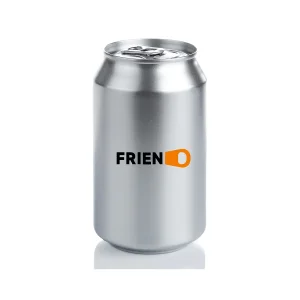
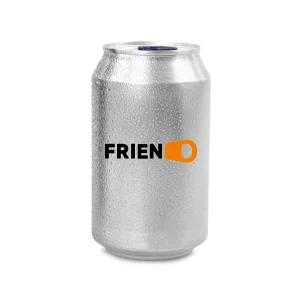
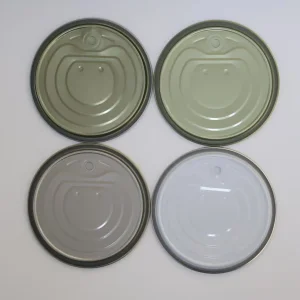
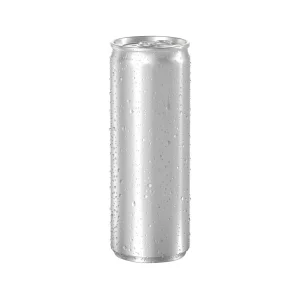
Explore additional high-demand dimensions, tinplate lids, and aluminum beverage cans engineered for global export.
Technical answers curated by senior packaging engineers regarding alloy selection, MOQs, sealing machinery integration, and global export packaging.
Can bodies are primarily drawn from 3104-H19 alloy for optimal wall-ironing strength. Easy-open end shells utilize 5182-H48 stock for superior buckle resistance, while opening tabs use 5052. Soft peel-off foil membranes and pharmaceutical induction seals are manufactured using annealed 8011-O alloy to ensure flexibility and dead-fold characteristics.
Standard plain/bright aluminum cans and plain silver easy-open ends start at a minimum order of one 20ft/40ft ocean container (approx. 100,000 to 150,000 pieces depending on format). Custom decorated/printed beverage cans require an MOQ of 100,000 pieces per design SKU due to high-speed plate setup and specialized ink/lacquer purge cycles.
Acidic carbonated soft drinks, energy drinks, and craft beers (pH < 4.0) utilize specialized BPA-NI modified epoxy or cross-linked acrylic resins applied at film weights between 60–90 mg/sq.ft. For sulfur-rich retorted foods, modified organosols or gold lacquers are applied to resist sulfide staining and filiform corrosion.
All finished ends, lids, and cans are packed with heavy-duty desiccant pouches inside sealed polyethylene (PE) liner sleeves, housed within heavy corrugated cartons or wooden pallets wrapped in stretch-hood shrink film. Pallets feature plastic top-frames and kraft slip sheets to prevent vibration damage during maritime transit.
Yes. Our packaging engineering team provides CAD technical drawings detailing end curl height, radius, flange diameter, and countersink depth. We supply sample lots for pre-production seam teardown, helping your technical team optimize seaming roll profiles (1st and 2nd operation rolls) for zero leak rates.
Absolutely. Every production lot is tested and certified compliant with FDA 21 CFR 175.300, EU Regulation 1935/2004, and China GB 4806.10. Certificates of Analysis (CoA), heavy metal compliance statements (RoHS/REACH), and overall migration test reports are supplied with shipping documents.
