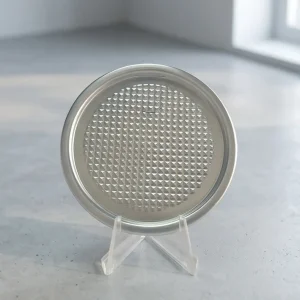
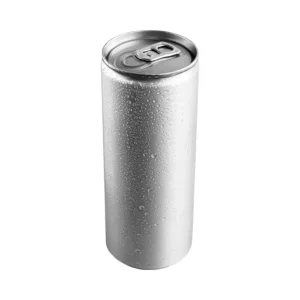
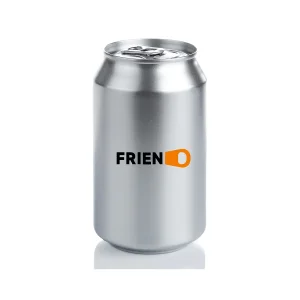
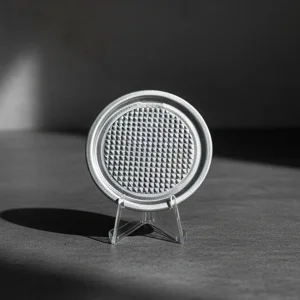
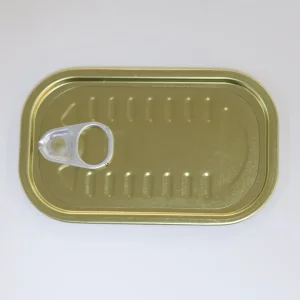
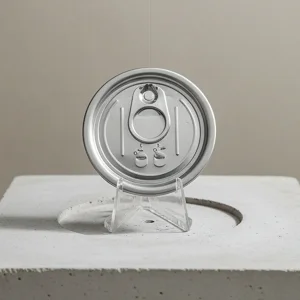
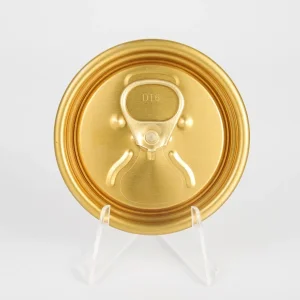
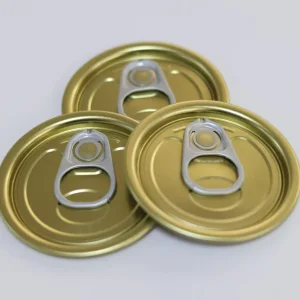
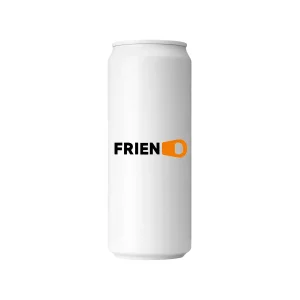
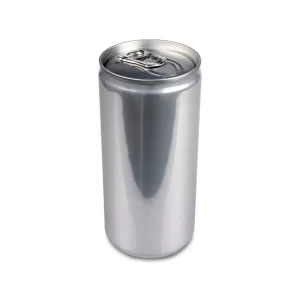
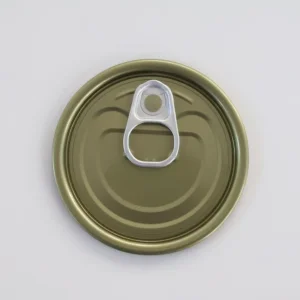
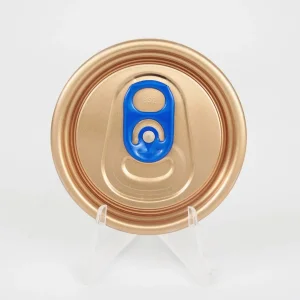
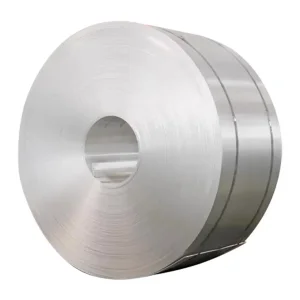
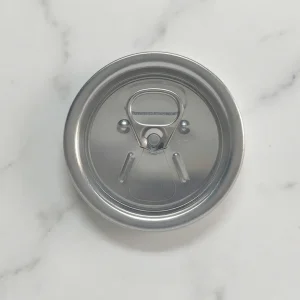
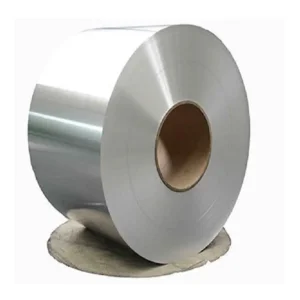
High-speed manufactured, food-grade certified aluminum containers, ends, and coils tested under high thermal and mechanical stress.
The global metal packaging market is undergoing an unprecedented structural transition. Driven by stringent global ESG mandates, single-use plastic prohibitions, and evolving consumer preference for fast-chilling, light-impermeable containers, aluminum has established itself as the undisputed substrate of choice across food, beverage, infant nutrition, and pharmaceutical sectors.
Valued at over USD $45 Billion in 2024, the global wholesale aluminum container industry is projected to expand at a compound annual growth rate (CAGR) of 5.8% through 2032. This surge is powered not merely by volume demand, but by rigorous technical requirements: extended shelf-life retention, total gas and UV barrier integrity, structural lightweighting, and high-speed double-seam compatibility on modern filling lines operating at speeds exceeding 1,500 cans per minute (CPM).
Modern B2B supply chains no longer evaluate aluminum packaging purely on unit price. Sourcing executives and packaging engineers prioritize material stability, metallurgical purity, internal lacquer integrity (specifically Non-Intent BPA / BPA-NI formulations), and total precision in dimensions like countersink depth, seam height, and tab rivet strength. Meeting these demands requires fully integrated industrial ecosystems capable of raw coil processing, precision drawing, high-speed lacquering, and automated optical inspection.
As the world’s primary hub for advanced metal matrix fabrication, Chinese manufacturing clusters—specifically integrated technological centers like Shanghai Friend Metals Technology Co., Ltd.—offer distinct structural advantages to global buyers.
Direct integration with premium rolling mills allows rigorous quality control from raw ingots to 3104-H19, 5182-H48, and 8011 coil stock. Tensile strength, yield point, and earing percentage are monitored continuously to prevent body collapse or uneven wall thinning during Drawn and Wall Ironed (DWI) operations.
Utilizing high-tonnage multi-station presses and carbide die sets engineered to sub-micron tolerances, manufacturing facilities achieve zero-defect curl profiles on easy-open ends (SOT/RPT) and powder lids (200#, 202#, 209#, 307#, 401#, 502#).
Automated electro-coating and thermoset lacquering lines deliver precise organosol, acrylic, or epoxy coatings. Strict internal testing guarantees zero pinhole defects and ensures complete chemical inertness across high-acid, high-salt, or alcohol filling environments.
Different product sectors demand distinct metallurgical, lining, and closure specifications. The table below outlines standard performance metrics across key commercial applications.
| Application Sector | Container / Lid Format | Recommended Alloy | Internal Lining Type | Key Performance Metric |
|---|---|---|---|---|
| Carbonated Soft Drinks & Beer | 250ml, 330ml, 355ml, 473ml Cans + 202# SOT Lids | 3104-H19 (Body) 5182-H48 (End) |
BPA-NI Modified Acrylic / Organosol | Buckle Pressure > 6.2 bar; Internal Pressure 90 psi |
| Infant Formula & Dry Powders | Deep-Drawn Powder Cans + 209# / 401# / 502# Lids | 8011-O / 3104 Aluminum Food-Grade Tinplate |
Food-Grade Gold / Transparent Epoxy | Hermetic Oxygen Barrier (< 0.5% O₂ post nitrogen flush) |
| Cold-Storage & Frozen Powders | Freeze-Resistant 209# / 300# Sealed Lids | 5182 / 5052 High-Magnesium Alloy | Low-Temperature Flexible Elastomer Sealant | Zero Seal Brittleness at -25°C Storage Conditions |
| RTD Energy Drinks & Cocktails | 200# / 202# RPT (Resealable Pull Tab) Ends | 5182-H48 Shell 5052 Tab |
High-Acid Resistant Polymeric Coating | Tamper-Evident Pop Force > 18 N; Pull Force > 28 N |
| Wet Food & Retort Canned Goods | 211# / 307# / 401# Easy-Open Tinplate & Al Lids | T3/T4 Food Tinplate / 5182 Al | High-Temp Organosol (121°C Retort Proof) | Feathering-Free Tear-Off; Zero Sulfur Staining |
1. Beverage & Brewing Industry: Standard (330ml, 355ml, 473ml), Sleek (330ml), and Slim (200ml, 250ml) profiles demand precise necking consistency to guarantee double-seam integrity under high-speed carbonated beverage filling operations. Stay-On-Tab (SOT) lids must resist internal pressure shocks during flash pasteurization.
2. Nutritional & Pharmaceutical Powders: High-value dairy products, infant formula, and nutraceuticals rely heavily on precision 209#, 401#, and 502# aluminum easy-open ends fitted with score lines designed for effortless opening without shredding metal particulates into the product.
3. Cold Chain & Specialized Industrial Foods: Products subject to deep-freezing rely on custom-compounded plastisol gaskets that retain elastic memory down to -30°C, blocking ambient moisture ingress and preventing vacuum failure over multi-year shelf cycles.
The global metal container industry is experiencing rapid innovation driven by decarbonization, automated smart factory monitoring, and strict chemical safety regulations across the European Union, North America, and APAC regions.
Advanced finite element analysis (FEA) allows engineers to reduce body wall thicknesses down to 0.095mm while maintaining axial column strength exceeding 850 N. This slashes transportation emissions and total material raw costs.
Transitioning from traditional bisphenol-A based epoxy systems to non-intent (BPA-NI) acrylic, polyester, and plant-derived resin lacquers satisfies evolving global health regulations without compromising shelf-life stability.
High-resolution 4K vision systems combined with ultrasonic pinhole detection eliminate human error on fast-moving production lines, ensuring zero defective ends or damaged flanges enter shipment containers.
For international supply chain managers, procuring aluminum containers at scale requires balancing unit pricing against quality compliance, freight efficiency, and seam verification protocols. Failure at the filling line due to inconsistent metal hardness or incorrect curl dimensions leads to catastrophic downtime and product loss.
1. Double Seam Teardown Verification: Ensure your supplier provides mill test certificates (MTC) along with precise dimensional specifications for countersink depth, seam length, body hook, and end hook overlay parameters tailored to your seamer head tooling (e.g., Ferrum, Angelus, Cask).
2. Enamel Rater Resistance (mA): Internal lacquer integrity must be verified using current passage testing (Enamel Rater Test). Beverage and food containers must consistently register below 2.0 mA under standard saline conductive testing, confirming zero bare metal exposure.
3. Ocean Freight Moisture Protection: Bulk packaging for export must utilize vacuum-sealed polyethylene shrink wrapping, top wooden frames, heavy-duty corrugated slip sheets, and industrial desiccant bags within shipping containers to eliminate oxidation and water-staining during extended maritime transport.
Expert answers to critical engineering, manufacturing, and international procurement questions regarding wholesale aluminum packaging.
Explore our specialized range of beverage cans, specialized lids, and high-purity aluminum coils ready for global delivery.