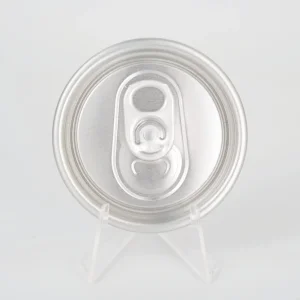
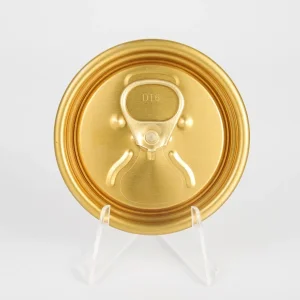
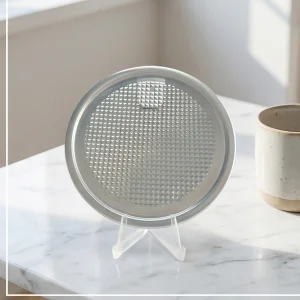
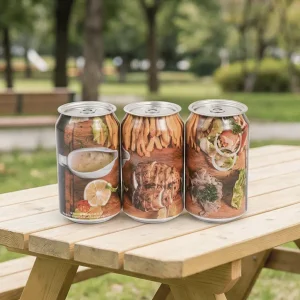
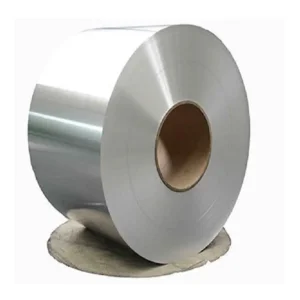
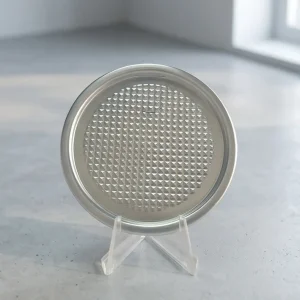
Explore our factory-direct wholesale inventory of precision-engineered easy-open ends, sterilizable lids, and high-purity aluminium coil stock designed for high-speed automated packaging lines.
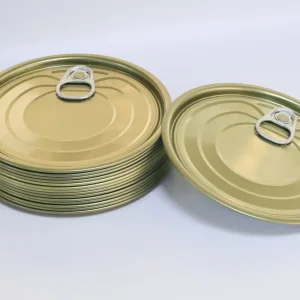
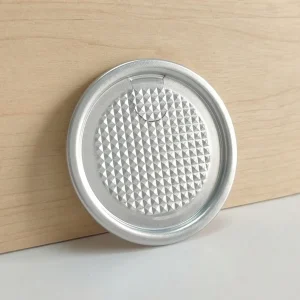
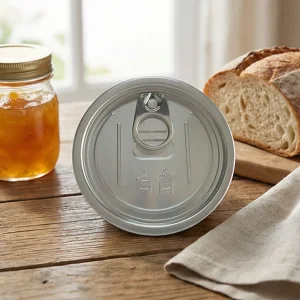
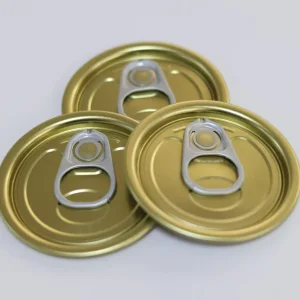
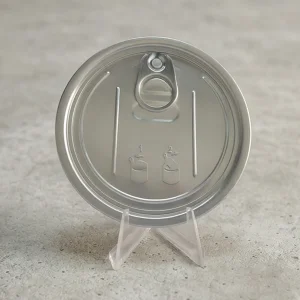
The global metal packaging landscape is undergoing a structural paradigm shift driven by stringent decarbonization mandates, consumer preferences for infinitely recyclable materials, and the rapid expansion of high-speed automated canning lines. As rigid plastic containers face escalating regulatory prohibitions worldwide, aluminium end caps, easy-open ends (EOE), and specialized closure systems have emerged as the primary solution for brand owners seeking uncompromised shelf-life, structural integrity, and brand distinction.
Modern fast-moving consumer goods (FMCG) packaging demands a holistic fusion of metallurgical excellence and polymer chemical engineering. The global consumption of aluminium ends across beverage, infant formula, pharmaceutical powders, and processed food industries is propelled by three primary industry vectors:
With Extended Producer Responsibility (EPR) regulations tightening across North America and the European Union, brand owners are replacing multi-layer laminates with single-material aluminium packaging systems that guarantee circularity and reduced carbon intensity.
Modern rotary seamers operate at speeds exceeding 1,200 to 1,500 cans per minute (CPM). This requires micro-inch dimensional accuracy in end curl thickness, countersink depth, and tab alignment to prevent micro-leaks, jam-ups, and costly line downtime.
In the dairy, medical, and infant nutrition sectors, preventing oxygen ingress and moisture degradation is paramount. Advanced aluminium easy-open ends with peelable foil membranes or rigid scored lids provide zero-permeability gas barriers essential for extended shelf-life under modified atmosphere packaging (MAP).
Through semantic analysis of international trade queries and technical specification sheets from Tier-1 beverage brands, contract packers, and pharmaceutical manufacturers, we have identified the core decision criteria that dictate modern B2B packaging procurement:
| Procurement Pillar | Technical Buyer Pain Points | Shanghai Friend Metals Engineering Solution | Impact on Filling Line Performance |
|---|---|---|---|
| Seamer Tooling Compatibility | Inconsistent end-curl geometry causing double-seam cut-overs, false seams, and seamer jam-ups. | Precision-stamped shell contours conforming to Ferrum, Angelus, and Pneumatic Scale seamer profiles. | Reduces line stoppage by up to 99.2%; ensures leak-proof double seam integrity. |
| Chemical Migration & Safety | Strict global bans on Bisphenol A (BPA) and non-compliant epoxy liners in food-contact materials. | Comprehensive supply of BPA-Non-Intent (BPA-NI) and organosol inner coatings compliant with FDA and EU regulations. | Zero chemical migration risk; compliant for global export across all regulatory jurisdictions. |
| Pressure Resistance & Buckle Value | End-cap failure under thermal retort sterilization or internal carbonation loads exceeding 6.0 bar. | High-tensile 5182-H48 alloy combined with optimized countersink wall thickness for maximum pressure stability. | Withstands pressure spikes up to 6.2 bar; supports high-temperature retort up to 121°C. |
| Logistics & Freight Protection | Transit vibration causing surface scuffing, edge oxidation, and moisture degradation during ocean voyages. | Polyethylene sleeve encapsulation inside heavy-duty fiber drums/cartons with integrated desiccant packs. | Guarantees 100% rust-free and pristine surface delivery across 40+ destination countries. |
At Shanghai Friend Metals Technology Co., Ltd., our metallurgical engineering teams specialize in matching substrate alloy mechanics with product chemical aggressive properties. Selecting the optimal alloy temper and internal coating formulation is vital to prevent internal corrosion, maintain hermetic sealing, and control opening force dynamics.
Different functional components of an end closure require distinct mechanical yield strengths, elongation percentages, and grain orientation controls:
Magnesium-Rich Alloy (4.0–5.0% Mg): Engineered specifically for beverage end shells and easy-open lids. Offers exceptionally high tensile yield strength, enabling the end to withstand internal CO₂ expansion forces in beer, carbonated soft drinks, and sparkling water without doming or buckling.
Manganese-Modified Alloy (0.8–1.4% Mn): Provides superior drawability and structural rigidity for drawn-and-wall-ironed (DWI) beverage cans. Features tightly controlled earing parameters to prevent wall tears during ultra-fast stamping operations.
High-Formability Iron-Silicon Alloy: Used extensively for pharmaceutical, dairy powder, and peelable foil heat-seal lids. Offers outstanding pinhole resistance, ductility, and high-temp lamination performance with polypropylene or lacquer film.
The internal barrier coating acts as an impermeable chemical wall preventing contact between liquid or powder contents and the metallic substrate. Our automated lacquering lines utilize state-of-the-art electro-static spraying and thermal curing coils:
Formulated using acrylic or polyester-based resins, BPA-NI coatings guarantee compliance with California Proposition 65, EU Regulation 10/2011, and FDA standards. They provide exceptional flavor neutrality, preserving delicate aromatics in craft beer, organic juices, and infant formula powders.
Specifically developed for high-acid food products (pH < 4.2), salted pet foods, and products subjected to high-pressure steam sterilization (121°C for 30–60 minutes). These coatings exhibit high chemical resistance against sulphur staining, salt pitting, and organic acid degradation.
Navigating cross-border trade requires absolute adherence to food-contact safety standards, heavy metal limits, and structural reliability metrics. Shanghai Friend Metals maintains a rigid Quality Management System certified under ISO 9001:2015, ISO 22000, and FSSC 22000 standards.
All internal lacquers and sealing compounds undergo rigorous overall migration testing (OMT) using food simulants (water, 8% ethanol, 50% ethanol, and n-heptane) to ensure non-detectable extraction limits under extreme thermal processing conditions.
Fully compliant with European Union regulations regarding food contact materials, ensuring complete traceability from raw aluminium ingot down to the specific batch number on every pallet delivered to European ports.
Strict testing for heavy metal concentration ensures combined levels of Lead (Pb), Cadmium (Cd), Mercury (Hg), and Hexavalent Chromium (Cr VI) remain well below 100 ppm, conforming to CONEG and EU Directive 94/62/EC.
Every batch of wholesale aluminium end caps produced in our facility undergoes rigorous multi-stage physical and chemical testing prior to container loading:
| Test Parameter | Testing Instrument / Method | Quality Acceptance Limit (AQL) | Functional Importance |
|---|---|---|---|
| Enamel Rater (Porosity) | High-Voltage Conductivity Test (WACO Enamel Rater) | < 2.0 mA average across 100 samples | Prevents pinhole leaks and metal contact with acidic beverages. |
| Pop & Pull Force Dynamics | Digital Tab Tear & Pull Tester | Pop: 15–28 N / Pull: 25–45 N | Ensures smooth, effort-free opening by consumers without tab snap failures. |
| Buckle Pressure Resistance | Pneumatic End Buckle Tester | > 6.2 bar (620 kPa) minimum threshold | Guarantees end cap survival during thermal expansion and carbonation spikes. |
| Double Seam Teardown Analysis | Computerized Seam Monitor Optical Analyzer | Overlap > 1.1mm / Wrinkle Rating < 20% | Confirms perfect mechanical interlocking between can body flange and lid curl. |
As global market demands pivot toward extreme sustainability and smart packaging capabilities, Shanghai Friend Metals is actively implementing next-generation engineering technologies across our entire manufacturing workflow:
Transitioning standard beverage end shell thickness from 0.224mm down to 0.208mm through micro-alloying with optimized grain refiners. This 7% material reduction yields significant carbon footprint savings without sacrificing buckle pressure resistance.
Integrating high-speed laser marking systems directly onto easy-open tabs and under-tab surfaces. This enables individual can traceability, anti-counterfeiting verification, and interactive consumer loyalty engagement campaigns.
Replacing conventional thermal curing lacquers with instantaneous UV-LED cured polymer layers, eliminating Volatile Organic Compound (VOC) emissions during production and cutting energy consumption by over 45%.
Key technical and commercial queries addressed directly by our Senior Packaging Engineering & Global Supply Chain Team:
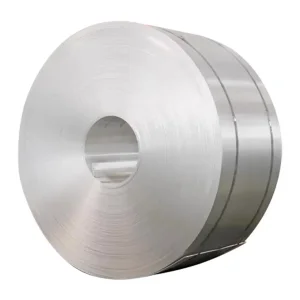
Browse the remaining comprehensive technical lineup including specialized liquid beverage lids, powder packaging ends, and raw aluminium coil supplies.