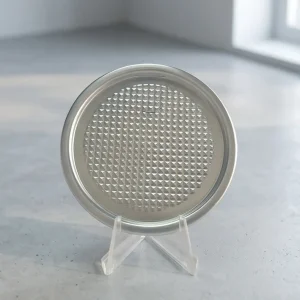
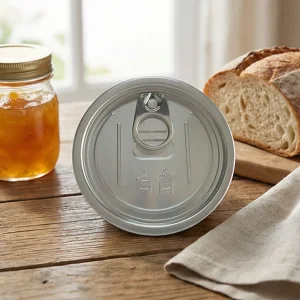
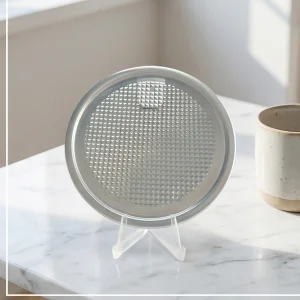
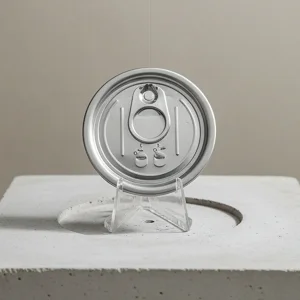
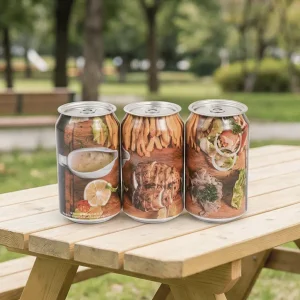
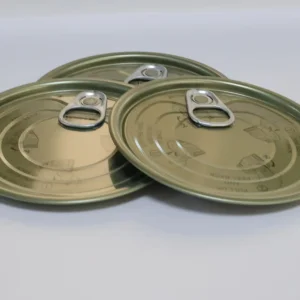
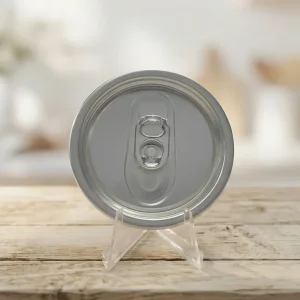
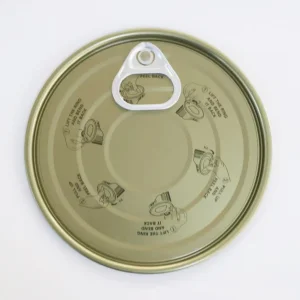
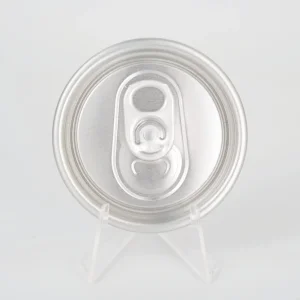
Engineered to exact metallurgic tolerances for seamless integration into high-speed automated processing, retorting, and canning lines worldwide.
Analyzing the paradigm shift in rigid and semi-rigid aluminum packaging, driven by international sustainability mandates, decarbonization goals, and cold-chain automation.
Advanced East Asian and European automated aluminum rolling facilities now deliver high-purity alloys (such as 3104, 3003, and 8011) with sub-micron thickness tolerances. This global consolidation ensures consistent performance across automated de-stacking, forming, and lid-seaming lines.
With stringently enforced regulations like the EU's Packaging and Packaging Waste Regulation (PPWR) and US EPA sustainability guidelines, wholesale buyers are migrating from multi-layer plastic films to infinite-lifecycle aluminum packaging solutions that yield lower carbon footprints.
Industrial demand for extended shelf-life under extreme climatic variation has necessitated modern surface treatments. Organic lacquers, BPA-Non-Intent (BPA-NI) liners, and functional polymer coatings eliminate chemical migration while guaranteeing total oxygen, moisture, and light barriers.
Technical Insight: Aluminum foil container manufacturing has evolved from basic stamping to precision metallurgy. Alloys with optimized elongation parameters prevent structural micro-fracturing during deep-drawing, maintaining absolute hermetic seals across cold-chain logistics and high-pressure sterilization environments.
Standardizing alloy composition, temper, and coating architecture for heavy-duty food, medical powder, and industrial applications.
| Alloy Grade | Typical Temper | Tensile Strength (MPa) | Elongation Rate (%) | Primary Industrial Applications |
|---|---|---|---|---|
| Alloy 3003 | H14 / H24 | 140 – 180 | ≥ 10% | Smoothwall containers, ovenable catering trays, deep-draw retort containers. |
| Alloy 8011 | O / H22 | 100 – 130 | ≥ 18% | Wrinkled wall containers, pharma heat-seal lids, household foil packaging. |
| Alloy 8006 | MHO / H18 | 125 – 150 | ≥ 15% | Ultra-thin high-strength smoothwall containers, freeze-resistant lids. |
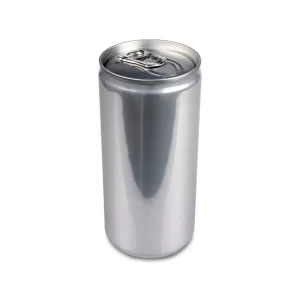
| Alloy 3104 | H19 | ≥ 270 | ≥ 5% | Rigid container bodies, two-piece beverage cans, high-burst pressure ends. |
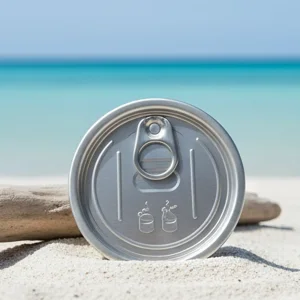
| Alloy 5182 | H48 | 300 – 360 | ≥ 6% | Easy-open lids, pull-ring ends, high-stress structural closures. |
Smoothwall containers utilize heavier gauge alloys (0.09mm to 0.15mm) with precision-machined rim designs, allowing hermetic film sealing. Wrinkled wall variants optimize light-gauge material (0.03mm to 0.08mm) to maximize structural rigidity via geometry while minimizing tare weight.
Factories utilize food-contact DOS (Dioctyl Sebacate) or US FDA-approved synthetic lubricants during the stamping matrix stage. This prevents container sticking in automated high-speed destackers, keeping line rejection rates below 0.005%.
Tailored aluminum packaging configurations developed for international enterprise workflows, from cold-chain distribution to sterile medical environments.
Engineered to endure thermal processing cycles exceeding 121°C (250°F) under counter-pressure. Smoothwall containers equipped with high-performance polypropylene (PP) lacquers prevent steam delamination, securing a 24-month ambient shelf life for ready meals and proteins.
Designed for rapid conductivity during dual-oven (convection and microwave) reheating. Customized compartmentalized foil trays prevent flavor cross-contamination while adhering to international aviation space and weight profiles.
Integrating non-magnetic, anti-static easy-open aluminum lids and containers to prevent particle cling during precision dosing. Manufactured inside Class 100,000 cleanroom environments to maintain bio-burden isolation.
Formulated with non-embrittling alloys that maintain ductile tensile strength down to -40°C. Protects sensitive freeze-dried biological powders, seafood, and bakery products against freezer burn and moisture transpiration.
Ensuring seamlessly compliant market penetration across North American, European, Asia-Pacific, and Middle Eastern regulatory domains.
Full adherence to FDA 21 CFR 175.300 for direct food contact and resin coatings. Tailored to standard fluid ounce measurements (12oz, 16oz) and heavy-duty institutional steam-table configurations with full traceability documentation.
Complete elimination of Bisphenol-A (BPA-NI) and heavy metals in accordance with EU Regulation 1935/2004 and REACH Annex XVII. Designed for automated sorting systems within Europe’s circular collection frameworks.
Specialized exterior clear-lacquering prevents atmospheric oxidation, surface pitting, and corrosion during trans-equatorial maritime shipping and high-humidity warehousing across tropical and gulf coastal zones.
Rigorous multi-stage testing standards executed on every master coil and finished production batch prior to international dispatch.
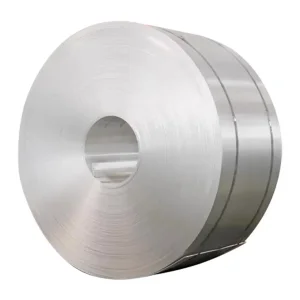
High-speed optical laser detectors scan 100% of the foil surface during slitting, detecting pinholes down to 10 microns to guarantee absolute barrier integrity against gas transmission.
Conductivity testing verifies that internal lacquers present zero micro-porosity, preventing acidic food products (pH < 3.5) or salty brines from reacting with the underlying aluminum matrix.
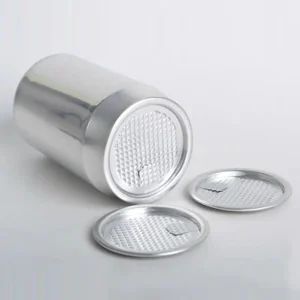
Easy-open ends and smoothwall containers undergo destructive internal pressure testing to measure buckle resistance and score-line pop-and-pull force metrics, eliminating seam failures on automated processing lines.
In-depth insights addressing global buyer queries regarding sourcing, alloy compatibility, factory services, and technical compliance.
Explore our full catalogue of aluminum easy-open ends, freeze-resistant lids, high-volume beverage cans, and industrial tinplate closures.