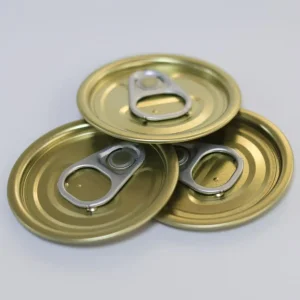
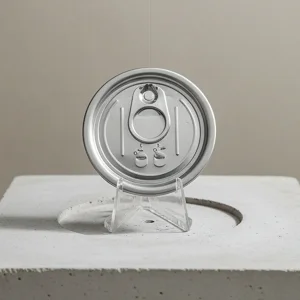
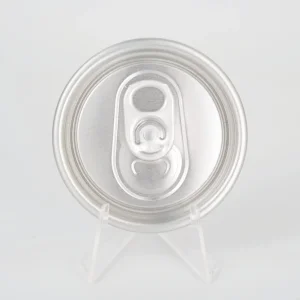
Explore our certified product portfolio manufactured by Shanghai Friend Metals Technology Co., Ltd., built with rigorous quality standards for craft breweries and contract beverage fillers.
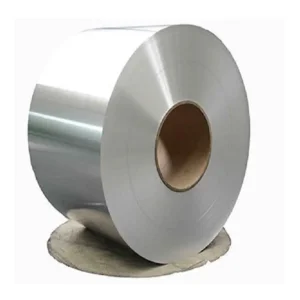

Analyzing structural market shifts, logistics efficiency, light-shielding advantages, and why aluminum dominates modern craft and commercial beverage packaging.
The global beverage packaging industry has undergone a monumental shift toward rigid metal packaging over the last decade. Search intent for wholesale empty beer cans reflects a strategic movement among craft breweries, microbreweries, and contract packaging enterprises seeking supply chain resilience, brand differentiation, and superior product preservation. Driven by the explosive growth of craft beer, hard seltzers, ready-to-drink (RTD) canned cocktails, and non-alcoholic functional beverages, empty aluminum cans have transitioned from a commodity packaging choice to an engineered technological asset.
From a commercial standpoint, aluminum beverage cans present undeniable economic and operational advantages over traditional glass bottles and rigid plastic packaging:
Empty aluminum cans weigh significantly less than glass bottles (~12-15 grams for a standard 330ml/12oz body vs ~200+ grams for glass). This lightweight profile allows distributors to transport up to 40% more liquid volume per truckload or shipping container, dramatically reducing per-unit freight costs and Scope 3 supply chain carbon emissions.
Hop-forward beer styles such as IPAs, NEIPAs, and Pale Ales are exceptionally vulnerable to light-induced degradation. Ultraviolet and blue light react with hop-derived alpha acids (isohumulones) to create 3-methyl-2-butene-1-thiol (MBT), causing the infamous "skunked" off-flavor. Aluminum cans form a 100% opaque barrier against light and oxygen ingress, guaranteeing shelf-life stability.
Aluminum is infinitely recyclable without loss of material purity or physical properties. Over 75% of all aluminum ever produced globally remains in active commercial use today. Re-melting recycled aluminum cans consumes 95% less energy than refining virgin bauxite ore, enabling brands to meet strict global ESG compliance frameworks.
Inside the Draw and Wall Ironing (DWI) process, 3104-H19 vs 5182-H48 alloy tempers, and high-performance BPA-NI internal barrier coatings.
Understanding the engineering integrity of an empty beer can requires analyzing the metallurgical alloys, mechanical forming steps, and chemical coating formulations involved in modern DWI (Draw and Wall Ironing) manufacturing lines. At Shanghai Friend Metals Technology Co., Ltd. (established in 2010), our raw materials undergo precise metallurgical certification before entering high-speed stamping presses.
| Component / Parameter | Alloy & Temper | Wall Thickness / Gauge | Internal Coating System | Performance Benchmark |
|---|---|---|---|---|
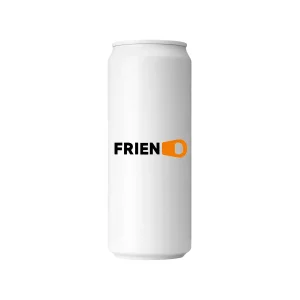
| 330ml / 355ml Standard Body | 3104-H19 | 0.097 mm ± 0.003 | BPA-NI Poly/Acrylic Organosol | Axial Crush > 950 N, Burst Pressure > 6.2 Bar |
| 473ml / 16oz Craft Body | 3104-H19 | 0.102 mm ± 0.003 | BPA-NI Modified Polyester | Axial Crush > 1020 N, Enamel Rater < 2.0 mA |
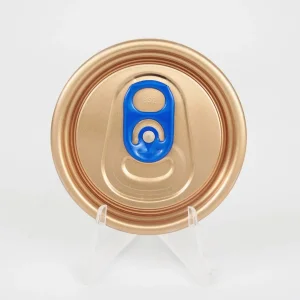
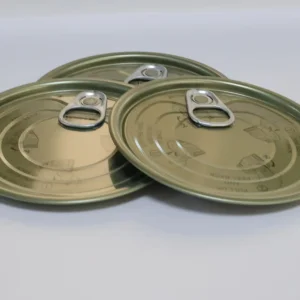
| 202 SOT Easy-Open End | 5182-H48 Shell / 5052 Tab | 0.210 mm Shell Stock | Water-Based Food Grade Epoxy / BPA-NI | Buckle Pressure > 6.5 Bar, Pop/Pull Force < 28 N |
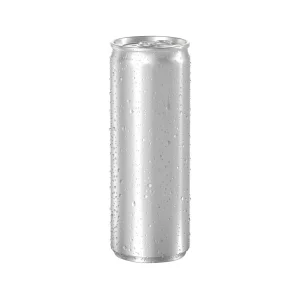
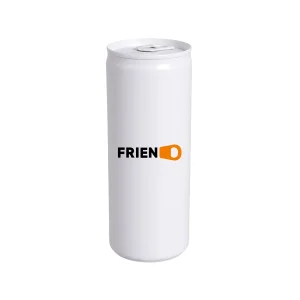
| 250ml / 330ml Sleek Can Body | 3104-H19 | 0.095 mm ± 0.002 | BPA-NI High-Acid Resistant Liner | Resists CO2 volumes up to 4.2 vol%, Acid pH ≥ 2.8 |
A critical consideration for global buyers is the transition from legacy epoxy-phenolic internal lacquers to next-generation BPA-NI (Bisphenol A Non-Intent) coatings. Modern craft beers, hard seltzers, sour ales, and nitrogenated stouts contain varying concentrations of ethanol, organic acids, and dissolved carbon dioxide. Uncoated aluminum would react with acidic liquids, yielding hydrogen gas and off-tastes. Shanghai Friend Metals applies precise spray-applied interior linings (film weight 50–90 mg/can body depending on beverage aggressiveness), strictly meeting FDA 21 CFR 175.300, EU Regulation 1935/2004, and GB 4806.10 food-contact migration standards.
Our Shanghai facilities leverage advanced automated line inspection, zero-defect optical vision sorting, and double-seam teardown analytics to ensure seam integrity on high-speed filling lines.
Matching can profile dimensions, neck codes, and pressure thresholds to specific beverage categories and regional filling line specifications.
Primary Formats: 330ml Standard, 355ml (12oz), 473ml (16oz) Pint Cans with 202 SOT Ends.
Craft brewers demand flexibility: low minimum order quantities (MOQ), custom digital printing, shrink sleeve application, and plain bright cans compatible with mobile canning rigs (e.g., Wild Goose, Cask, Palmer seamer setups).
Primary Formats: 250ml Slim, 330ml Sleek, 355ml Sleek Cans with 200/202 RPT Ends.
High alcohol by volume (ABV), organic fruit acids, and artificial carbonation require custom-formulated internal lining coats to prevent chloride pitting corrosion and preserve volatile botanical aromas over extended distribution cycles.
Primary Formats: 200ml Slim, 330ml Standard with Liquid Nitrogen Dosing.
Non-alcoholic beverages lack the natural antimicrobial preservative protection of ethanol. They undergo thermal tunnel pasteurization (requiring high PU values) or sterile sterile filtration combined with liquid nitrogen injection to maintain axial rigidity in non-carbonated states.
Overcoming seamer matching challenges, double-seam friction, price volatility, and ocean freight logistics protection.
Purchasing wholesale empty beer cans involves far more than simply selecting body dimensions; it demands comprehensive alignment between the supplier's manufacturing tolerances and the buyer's automated filling line machinery. A single dimensional discrepancy in neck curl radius or countersink depth can result in catastrophic double-seam leaks, jam high-speed rotary seamers (such as Ferrum, Angelus, or Krones), or cause line shutdowns costing tens of thousands of dollars per hour.
Shanghai Friend Metals Technology Co., Ltd. provides dedicated technical support before mass production shipments leave our facility. Our engineering division verifies:
Shipping empty thin-walled aluminum cans across ocean routes demands specialized packaging protocols to prevent body denting, moisture corrosion, and pallet shifting:
Forecasting the next decade of metal packaging innovation: sub-0.090mm ultra-lightweighting, AI vision inspection, and low-carbon recycled alloys.
Metallurgical research is pushing aluminum body wall gauges down toward sub-0.090mm limits. Combined with optimized micro-bottom dome geometry and precision nitrogen gas injection, next-generation cans will consume 8-12% less metal stock without compromising axial column strength or stackability.
Production lines are incorporating inline high-speed AI optical sensors capable of inspecting 3,000+ cans per minute for micro-pinholes, rim flange deformation, neck wrinkles, and interior coating voids, driving defect rates down toward zero parts per million (PPM).
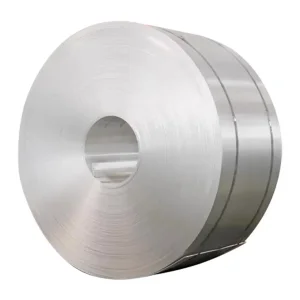
By maximizing Post-Consumer Recycled (PCR) content in 3104 and 5182 coil production and transitioning aluminum smelters to green hydroelectric power, total cradle-to-gate carbon intensity per can will decline by over 60% before 2030.
Direct technical and procurement answers addressing MOQs, seamer calibration, coating compliance, and freight management.
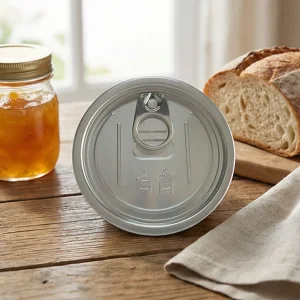
Browse our extended catalog of easy-open ends, freeze-resistant lids, powder seals, and slim aluminum beverage bodies.