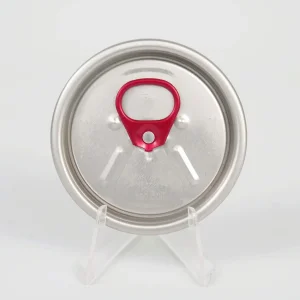
High-precision aluminium cans, easy-open ends, and food-grade tinplate lids manufactured under strict ISO 9001 and FSSC 22000 quality management standards.
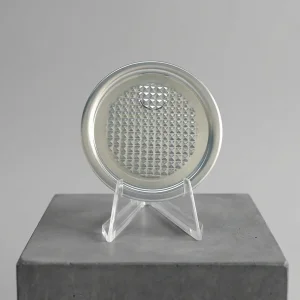
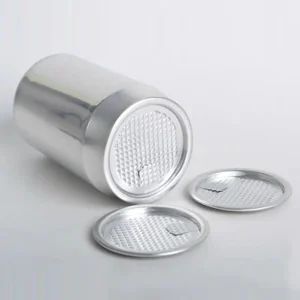
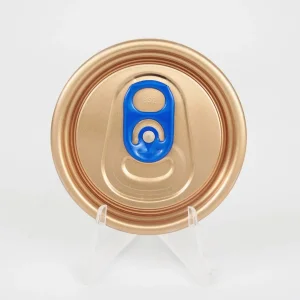
The global metal packaging landscape is undergoing a structural transformation driven by sustainability mandates, material science advancements, and rapidly changing consumer purchasing habits.
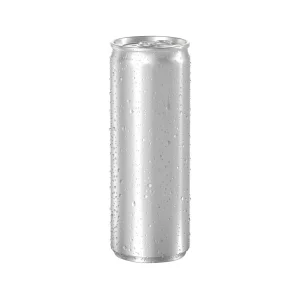
Unlike single-use plastics (PET), aluminium packaging operates in a closed-loop system. Over 75% of all aluminium ever produced is still in active use today. Major beverage conglomerates are abandoning plastic bottles to meet stringent Extended Producer Responsibility (EPR) regulations, driving unprecedented wholesale demand for 250ml, 330ml, 355ml, and 500ml aluminium cans.
The modern beverage can is a miracle of mechanical engineering. Through advanced Drawn and Wall Ironed (DWI) manufacturing using Alloy 3104-H19 for can bodies and Alloy 5182-H48 for easy-open ends, manufacturers have reduced container weight by over 30% over two decades without compromising axial load or internal pressure tolerance.
No longer restricted to carbonated soft drinks (CSD) and commercial lagers, drink cans are capturing market share across Ready-to-Drink (RTD) cocktails, craft hard seltzers, cold-brew nitro coffee, sparkling water, kombucha, and functional nutritional powders. This diversification demands specialized internal liners and tamper-evident closures.
For procurement directors, brand owners, and high-speed contract packers, selecting a wholesale drink can manufacturer requires validating complex technical specifications, regulatory compliance, and container logistics.
When running automated rotary seamers at 1,500+ cans per minute, micro-variations cause line jams and catastrophic product loss. Premium suppliers guarantee strict tolerances on:
Global food safety authorities (FDA, EFSA, EU Reg 1935/2004) are phasing out traditional bisphenol-A epoxy coatings. Next-generation linings include:
| Can Format | Volume (ml / oz) | Body Diameter | Neck Diameter | Recommended Lid / End | Primary Beverage Application |
|---|---|---|---|---|---|
| Slim Format | 200ml / 250ml | 53.3 mm | 200 # (50mm) | 200 SOT / RPT / FA | Energy Drinks, Functional Shots, Mixers |
| Sleek Format | 330ml / 355ml (12oz) | 58.4 mm | 202 # (52mm) | 202 SOT / RPT | Craft Beer, Hard Seltzers, Sparkling Water |
| Standard Format | 330ml / 355ml / 500ml | 66.0 mm | 202 # (52mm) | 202 SOT / RPT | CSD, Beer, Ready-to-Drink Teas & Juices |
| Powder Cans | 400g / 800g / 900g | 99mm - 127mm | 401 # / 502 # | 401FA / 502FA Foil / Tinplate | Infant Formula, Protein Powder, Coffee |
Turnkey metal packaging engineering tailored for specific fluid chemical dynamics, shelf-life requirements, and processing environments.
Designed for internal pressures exceeding 90 PSI. Equipped with high-buckle 202# Stay-On-Tab (SOT) and Red-Pull-Tab (RPT) ends made from modified 5182 aluminum sheet stock, guaranteeing pressure containment during pasteurization and warm logistics handling.
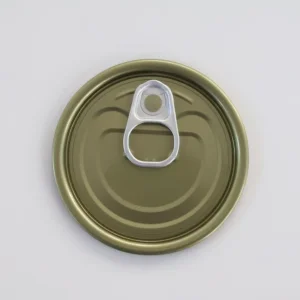
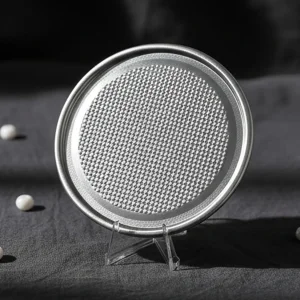
Dry products demand 100% moisture barrier protection, gas flushing capability (nitrogen displacement to < 0.5% oxygen level), and non-magnetic materials. Utilizing non-magnetic 209FA#, 211#, 401#, and 502# easy-open lids for infant milk powders and clinical nutrition.
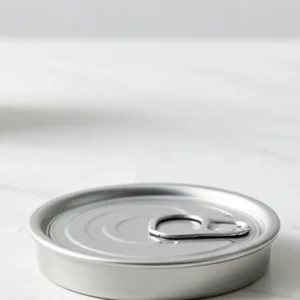
For canned coffee, milk teas, soups, and clinical liquids subjected to thermal processing at 121°C–130°C for 30–45 minutes. Engineered with high-temp sterilizable 305# and 307# aluminium/tinplate lids featuring retordable organosol linings.
We bridge global OEM manufacturing capabilities with rigorous localized support, ensuring seamless customs clearance and filling line integration in North America, Europe, Latin America, and APAC.
Every batch of beverage cans and lids leaves the production floor accompanied by comprehensive Quality Inspection Certificates (COA), mill test reports, and compliance statements under:
We do not just ship cans; we optimize your filling room performance. Our technical service engineers provide localized field support to assist with:
Pioneering next-generation smart packaging, AI-driven visual inspection, and zero-carbon metal converting lines.
Integration of high-speed 4K optical camera inspection systems directly on press lines, scanning 3,000 easy-open lids per minute for micro-burrs, tab alignment errors, coating pinholes, and dimensional variances at zero-defect tolerances.
Laser etching unique high-density QR codes under the pull tab (Under-The-Tab printing) enables direct-to-consumer digital promotions, anti-counterfeiting verification, and end-to-end supply chain lot traceability.
Transitioning primary metal procurement to smelters utilizing renewable hydro-power and inert anode smelting, reducing the carbon footprint of raw 3104 and 5182 coil stock from 12 kg CO2/kg Al down to less than 4 kg CO2/kg Al.
Complete wholesale packaging lineup including large-volume 500ml cans, medical-grade sterilizable lids, and high-purity 5182 aluminium coil stock.
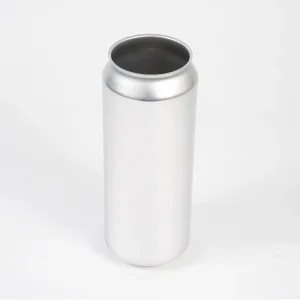
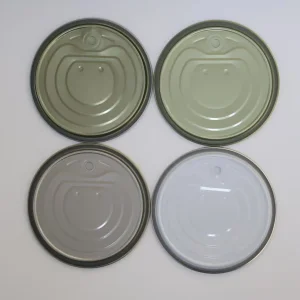
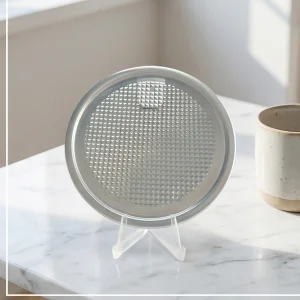
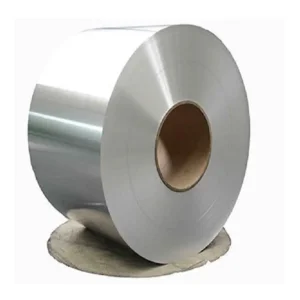
Detailed answers to technical, commercial, and logistical inquiries raised by beverage brand owners, engineers, and supply chain managers.
Can bodies are manufactured from drawn-and-wall-ironed (DWI) Aluminium Alloy 3104-H19, which offers exceptional ductility, deep-drawing capability, and structural strength under wall thinning. Easy-open ends (shells) utilize Aluminium Alloy 5182-H48 due to its superior tensile strength and high buckle resistance under internal carbonation pressure. Pull tabs are punched from Aluminium Alloy 5052-H19, providing rigid lever strength during opening.
For unprinted (bright) standard aluminium cans, the minimum order quantity starts at one 40-foot high-cube container (approx. 90,000–100,000 cans depending on format size). For custom 6-to-8 color dry-offset printed cans, the MOQ is typically 150,000 pieces per artwork SKU due to high-speed printing plate setup, ink calibration, and line changeover parameters.
BPA-NI linings (acrylic, polyester, or modified epoxy-acrylics) eliminate bisphenol-A compounds to satisfy global food safety regulations (such as California Proposition 65 and EU Regulation 2024/1103). They offer equivalent flavor neutrality, corrosion protection, and internal chemical resistance against acidic beverages (pH 2.5–3.5) while ensuring zero chemical migration into the liquid matrix.
A hermetic double seam requires verifying five critical geometrical dimensions: Seam Thickness, Seam Height (Length), Countersink Depth, Body Hook Length, and End Hook Length. The calculated Overlap Percentage must exceed 55%, with zero seam droop, vees, or cutovers, ensuring complete liquid and gas sealing under pressure.
Empty cans are bulk-palletized on sanitized wooden or plastic pallets, separated by heavy-duty kraft paper slip sheets, protected by wooden top frames, and fully enveloped in automated 5-sided stretch hooding film. Desiccant packs are inserted inside shipping containers to prevent condensation ("container rain") and aluminum oxidation during transoceanic transit.
SOT (Stay-On-Tab) is the standard global beverage closure where the tab remains attached to the end shell after opening, preventing environmental litter. RPT (Red-Pull-Tab / Resealable Tab) ends incorporate an advanced multi-step lever mechanism or sliding tab component designed for premium energy drinks, RTD spirits, and beverages requiring enhanced visual branding or partial reclosability.
Non-magnetic aluminum lids (such as 209FA#, 211#, 401#) prevent magnetic interference during automated metal detection and X-ray inspection on pharmaceutical and infant formula filling lines. This ensures sensitive powder filling lines can detect microscopic iron or stainless-steel contaminants without false positives triggered by the packaging closure itself.
Yes. Our packaging engineers analyze your existing seamer brand (e.g., Ferrum, Angelus, Pneumatic Scale, HEMA) and generate precise 3D CAD drawings for seaming rolls, chuck profiles, and end feed magazines, ensuring seamless integration, zero jam rates, and optimal seam tightness during production runs.