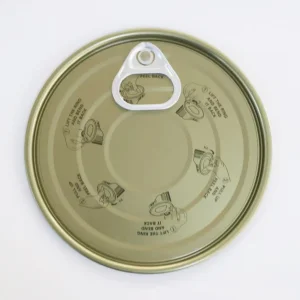
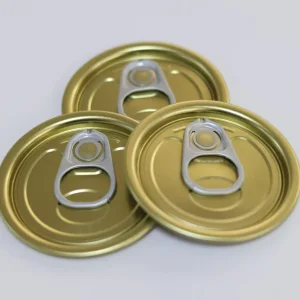
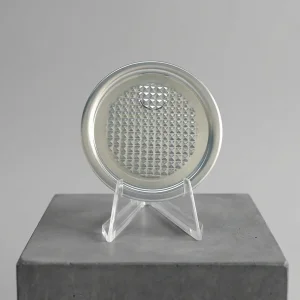
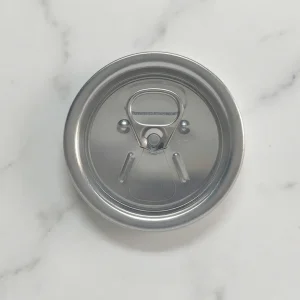
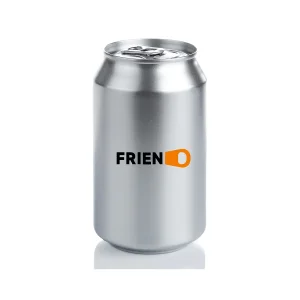
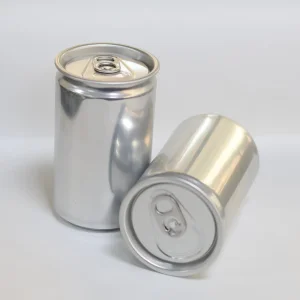
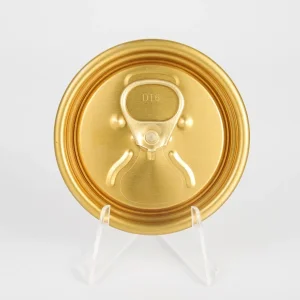
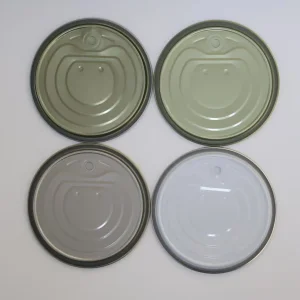
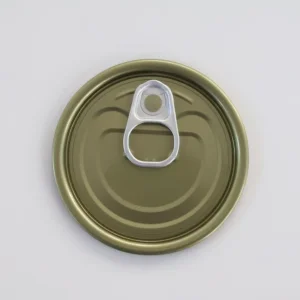
Direct supply of certified tinplate lids, aluminum easy-open ends, 355ml/200ml beverage cans, and lacquered aluminum coils manufactured under ISO 9001 and FSSC 22000 hygiene protocols.
In the modern Fast-Moving Consumer Goods (FMCG) and global beverage packaging sectors, sourcing a reliable Wholesale Bottle Aluminum Supplier is no longer merely a procurement task; it is a critical engineering decision that dictates product shelf stability, filling line speed, brand equity, and Total Cost of Ownership (TCO). Aluminum bottle containers, Drawn & Wall Ironed (DWI) aluminum cans, and specialized Easy-Open Ends (EOEs) represent the pinnacle of high-barrier, infinitely recyclable packaging engineering.
As global regulatory bodies accelerate restrictions on single-use plastics and consumer sentiment shifts toward sustainable packaging, the global demand for precision-drawn aluminum bottle stock, aluminum coils, and high-integrity lids has surged. However, procuring metal packaging at commercial scale requires an exhaustive understanding of metallurgy, chemical liner compatibility, micro-leakage defense systems, and high-speed double-seaming mechanics.
Aluminum packaging requires distinct alloy formulations customized for deep drawing, impact extrusion, and pressure dome stability. A top-tier wholesale supplier works with precision aluminum grades optimized for mechanical stress and corrosion resistance.
| Alloy Grade | Temper | Primary Application | Tensile Strength (MPa) | Yield Strength (MPa) | Key Metallurgical Characteristics |
|---|---|---|---|---|---|
| AA 3104 | H19 | Can Body / Bottle Wall | 270 - 310 | 255 - 295 | High manganese ratio; superior drawability and wall ironing stability. Minimal earing percentage. |
| AA 5182 | H48 / H19 | Easy-Open Shell Ends (SOT/RPT) | 360 - 410 | 310 - 360 | Magnesium-enriched alloy providing extreme buckle resistance under carbonation pressure. |
| AA 5052 | H32 / H34 | Pull Tabs & Industrial Closures | 210 - 260 | 160 - 210 | Exemplary fatigue strength and ductility; prevents tab fracture during high-force opening. |
| AA 8011 | O / H14 | Powder Lids & Foil Seals | 100 - 165 | 80 - 145 | High iron/silicon formulation offering maximum elongation and hermetic heat-sealability. |
During the DWI process, aluminum stock undergoes severe plastic deformation. Our 3104-H19 coils maintain strict crystallographic texture control, keeping earing height below 1.8%, which minimizes scrap rate during edge trimming.
5182-H48 end shell stock is engineered to withstand internal pressure surges up to 90 psi (6.2 bar) generated by carbonated soft drinks (CSD) during thermal pasteurization up to 68°C.
Coating integrity is evaluated using Enamel Rater electrical current testing (<2.0 mA). We apply advanced Epoxy Acrylic and Next-Gen Organosol lacquers compliant with global food-contact regulations.
China's aluminum manufacturing ecosystem represents the world's most vertically integrated production network. Sourcing through established regional hubs like Shanghai Friend Metals provides overseas brand owners with unmatched cost efficiency, technical flexibility, and supply chain resilience.
Direct integration with primary smelters guarantees access to high-purity electrolytic aluminum ingots. This minimizes trace metal contaminants (e.g., Fe < 0.25%, Si < 0.15%), ensuring consistent grain structure and superior corrosion resistance.
Factory operations feature multi-die Minster and Stolle stamping presses running at up to 3,000 ends per minute per line. High speed is paired with online vision inspection systems that instantly reject micro-burrs or coating voids.
Located near Shanghai Port—the busiest container port globally—exports benefit from daily vessel departures, reduced inland freight costs, and optimized container packing density (up to 100,000 units per 40ft HQ container for ends).
Procurement directors at multinational beverage, dairy, and chemical corporations evaluate wholesale aluminum suppliers against stringent key performance indicators (KPIs) beyond the initial piece price. Understanding Total Cost of Ownership (TCO) mitigates commercial and operational risks across international freight routes.
Enterprise buyers maintain secondary sourcing channels in Asia to protect against domestic production shortfalls, energy grid limits, or regional raw material price spikes, ensuring uninterrupted filling operations.
To eliminate oxidation during long ocean voyages, products are packed with heavy-duty polyethylene sleeves, desiccant bags, solid wooden top frames, kraft slip-sheets, and automated stretch-hood film wrapping.
Professional suppliers offer flexible pricing models tied to London Metal Exchange (LME) aluminum spot and future indices, giving buyers transparent conversion fee structures and predictability against raw material volatility.
Navigating regional food contact regulations is paramount when shipping metal containers globally. A non-compliant lacquer system can cause custom seizures, heavy fines, or consumer health recalls. Full trace-ability is provided from raw coil mill test certificates down to individual pallet labels.
Internal linings comply strictly with US FDA 21 CFR 175.300 for resinous and polymeric coatings. They undergo rigorous extraction testing using food-simulating solvents (n-heptane, water, ethanol) to ensure zero toxic chemical migration.
Products exported to the EU satisfy Regulation (EC) No 1935/2004 and EU No 10/2011, incorporating BPA-NI (Bisphenol A Non-Intent) certification, REACH registration, and Heavy Metal Restriction Directive 94/62/EC compliance.
Technical field service engineers provide seam teardown profiling (Overlap, Body Hook, Cover Hook, Wrinkle Rating) to synchronize initial tooling setups on Ferrum, Angelus, or Pneumatic Scale Corp seamers.
Metal packaging designs must be tailored to specific liquid properties, thermal conditions, and fill pressures. Below are four key application vectors where our wholesale aluminum products deliver superior protection.
Scenario: Highly pressurized soft drinks and sensitive craft beers requiring zero oxygen ingress.
Engineering Fix: 202# SOT lids with high-grade repair spray coatings preventing score-line corrosion and maintaining tightness up to 6.2 bar internal pressure.
Scenario: Shelf life exceeding 24 months with high oxygen sensitivity.
Engineering Fix: 401#/502# Easy-Open Lids featuring peelable aluminum foil membranes, nitrogen-flush stability, and anti-static internal coatings that prevent powder adhesion.
Scenario: Filling temperatures reaching 85°C–92°C followed by rapid cooling.
Engineering Fix: Thick-walled Sleek/Slim aluminum bodies engineered to prevent vacuum-panelling and withstand post-fill pressure changes without wall distortion.
The global metal packaging market is undergoing a rapid evolution driven by decarbonization targets, digital supply integration, and aggressive lightweighting goals.
Major beverage brands are mandating PCR aluminum content targets of 80% to 95%. Utilizing recycled scrap cuts carbon emissions by up to 95% compared to primary smelter extraction, positioning aluminum as the ultimate circular substrate.
Advanced finite element analysis (FEA) allows engineers to reduce end shell thickness from 0.224mm to 0.208mm while maintaining identical buckle strength. This yields significant material savings without sacrificing performance on high-speed filling lines.
Eliminating minimum order constraints of traditional dry-offset printing, high-resolution direct-to-shape digital printing enables micro-breweries and craft beverage brands to run short-batch promotional packaging with zero print plate overhead.
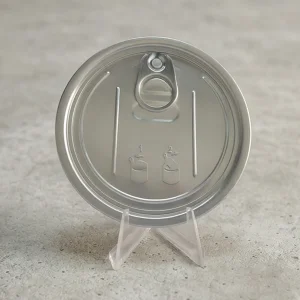
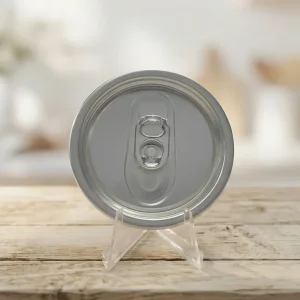
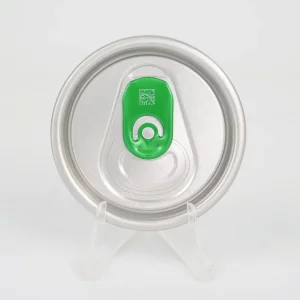
Comprehensive catalogue of RPT, SOT, low-profile easy-open ends, 5182 coil series, and food-grade tinplate covers built for high-speed automated seamers.
Detailed technical responses addressing voice search and enterprise procurement queries regarding aluminum bottle manufacturing, alloys, liner safety, and global delivery logistics.
Aluminum bottles produced from 3104-H19 alloy offer total barrier protection against light, UV radiation, oxygen, and moisture ingress, extending shelf-life by up to 40% compared to PET. Additionally, aluminum bottle containers are 100% infinitely recyclable without material degradation, weigh up to 60% less than glass (significantly reducing shipping fuel consumption), and eliminate transport breakage risks during high-speed distribution.
Our manufacturing lines incorporate 100% high-speed optical vision sensors and online pressure testing. Lid countersink depth, curl dimensions, and tab alignment are monitored within ±0.01mm tolerances. Furthermore, we supply detailed seaming profiles (first and second operation seam setup parameters) compatible with major seamer brands such as Ferrum, Angelus, and FMC, ensuring a reliable double-seam hermetic seal.
Yes. All food-contact lacquers and internal repair sprays are certified BPA-NI (Bisphenol A Non-Intent) and meet strict international standards, including US FDA 21 CFR 175.300, EU Regulation 1935/2004, and China GB 4806.10. Analytical chemistry certificates of analysis (COA) detailing overall migration limits (OML) and specific migration limits (SML) accompany every batch shipment.
For plain/bright aluminum cans and standard stock Easy-Open Ends (e.g., 200#, 202#, 307#, 401#), the MOQ starts at one 20ft container (approx. 100,000 to 200,000 units depending on size). Custom dry-offset or digital-printed orders carry an MOQ of 100,000 units per artwork SKU, with standard production lead times ranging from 15 to 25 calendar days post-approval of pre-press proofing prints.
Every pallet undergoes an export packaging protocol: ends and cans are packed with internal polyethylene liners, wrapped in stretch-hood film with solid top wooden frames, secured by plastic strapping, and equipped with industrial-grade silica gel desiccant packs to prevent condensation and atmospheric oxidation during multi-week ocean transit.
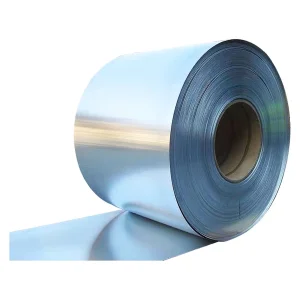
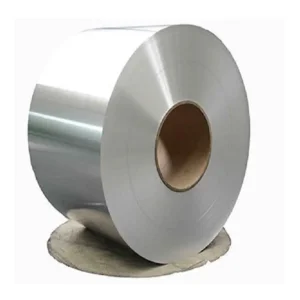
Yes. We export lacquered, slit-to-width aluminum coil in alloys 3104-H19, 5182-H48, and 8011-O/H14. Coils are coated with food-grade epoxy, organosol, or polyester lacquers on one or both sides, customizable from 0.18mm to 0.35mm gauge and slit to custom widths ranging from 20mm up to 1500mm.