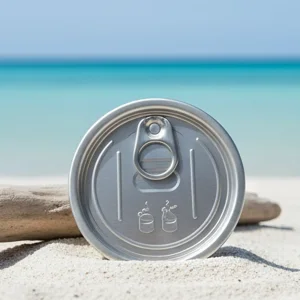
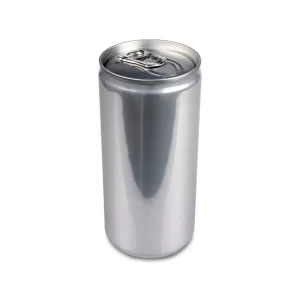
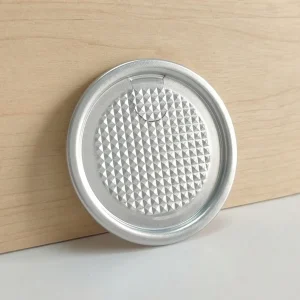
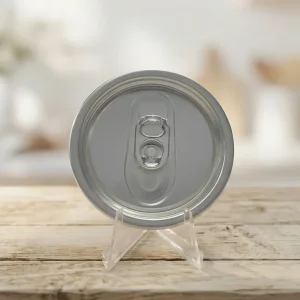
Explore our certified aluminum cans, high-performance easy-open ends, and specialized coiled lid stock crafted specifically for high-speed automated canning lines.
The global brewing sector is undergoing a structural paradigm shift. Driven by tightening municipal decarbonization mandates, Extended Producer Responsibility (EPR) legislation, and radical changes in consumer mobility, beverage brand managers and procurement executives are systematically transitioning away from traditional heavy glass bottles toward infinitely recyclable aluminum container systems. In this evolving marketplace, sourcing from certified wholesale beer drink manufacturers and suppliers is no longer simply a transaction of volume purchasing; it is a strategic engineering alignment focused on operational yield, supply chain stability, and total lifecycle carbon reduction.
Modern commercial breweries operate canning lines at ultra-high throughput rates—frequently exceeding 2,000 to 3,200 cans per minute (CPM). At these extreme velocities, micro-variations in container wall gauge, neck curl geometry, or rim countersink depth can result in catastrophic line stops, costly micro-fractures, or micro-leakage during thermal pasteurization. Consequently, leading international beverage enterprises require suppliers that possess advanced metallurgical mastery, automated quality control infrastructure, and strict compliance with international food-contact safety standards including FDA 21 CFR 175.300, EU Regulation 1935/2004, and ISO 22000 / FSSC 22000 certifications.
Strategic Procurement Insight: The modern beer packaging value chain relies heavily on high-yield alloy selections—specifically 3104-H19 for drawn-and-ironed (DWI) body bodies and 5182-H48 for shell ends—delivering lightweight structural strength capable of withstanding internal carbonation pressures up to 6.2 bar without deformation.
The rapid expansion of craft beer networks, combined with the explosive growth of Ready-To-Drink (RTD) alcoholic beverages, hard seltzers, and non-alcoholic functional brews, has altered demand patterns. Procurement managers must navigate three dominant market forces:
How state-of-the-art manufacturing hubs deliver superior manufacturing consistency, structural integrity, and cost-efficiency for international beer brands.
Utilizing ultra-high-speed multi-stage cupping presses and wall ironers that maintain wall thickness tolerances within ±0.002mm, ensuring consistent axial collapse resistance.
Integrated 360-degree high-resolution camera systems check 100% of finished containers online for flange defects, body dents, print registration alignment, and internal pinholes.
Application of advanced water-borne organosol and acrylic spray lacquers that eliminate bisphenol-A compounds while protecting sensitive beer profiles from metal flavor scalping.
To ensure flawless integration with automated high-speed seaming stations (such as Ferrum, Angelus, or Pneumatic Scale machines), wholesale beer drink packaging components are engineered to rigorous dimensional standards. Below is an engineering comparison matrix detailing standard industry specifications across can profiles, closure formats, and raw material coils.
| Format / Parameter | Standard Capacity | Alloy & Temper | Internal Coating | Axial Load Resistance | Primary Application |
|---|---|---|---|---|---|
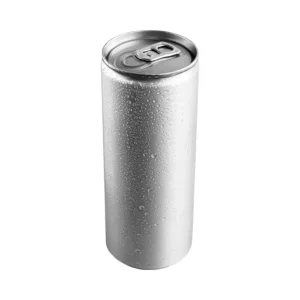
| Standard 330ml / 355ml Can | 330ml / 12 oz (355ml) | 3104-H19 Aluminum | BPA-NI Epoxy / Acrylic | ≥ 1.40 kN | Lager, Ale, Craft Pilsner |
| Standard 473ml / 500ml Can | 16 oz (473ml) / 500ml | 3104-H19 Aluminum | Modified Waterborne Organosol | ≥ 1.55 kN | IPA, Stout, Draft Beer Formats |
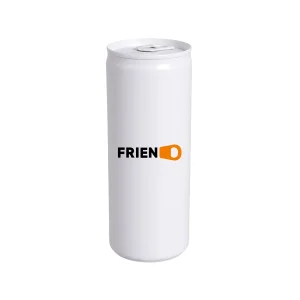
| Sleek 250ml / 330ml Can | 250ml / 330ml Sleek | 3104-H19 Aluminum | BPA-NI Polymer Spray | ≥ 1.25 kN | Hard Seltzers, RTD Cocktails |
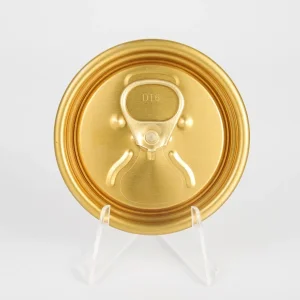
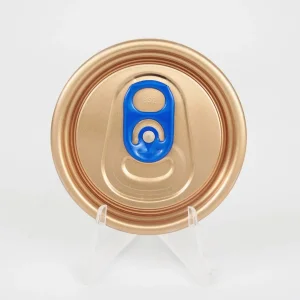
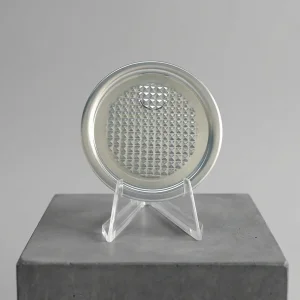
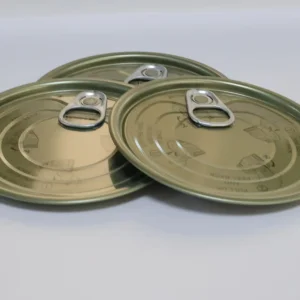
| 202# SOT / RPT Lids | Ø 52.5mm Seam Diameter | 5182-H48 (End) / 5052 (Tab) | High-Resist Cross-linked Liner | Burst Pressure > 6.2 bar | Beer, Carbonated Beverages |
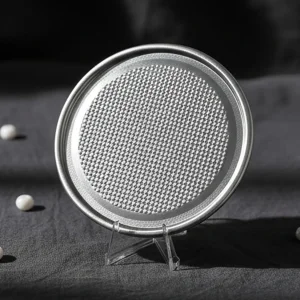
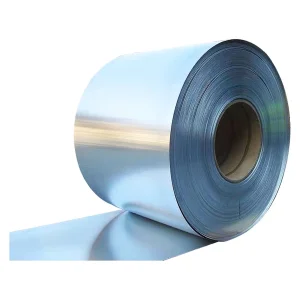
| 8011 / 3104 Coil Stock | Custom Widths (20-1500mm) | 8011-H14 / 3104-H19 | Pre-lacquered / Bare Coil | Tensile Strength 180-260 MPa | Stamped Lids, Shallow Draw Packaging |
When evaluating a potential wholesale beer drink manufacturer or supplier, procurement teams must enforce strict batch testing protocols across three main operational metrics:
Industrial beverage manufacturing varies significantly across global regional hubs. Sourcing strategies must adapt to the unique operating conditions, climate challenges, and distribution channels present in distinct regional markets:
High demand for 16 oz (473ml) and 330ml standard formats with tactile matte finishes and small-batch custom print runs. Critical focus on BPA-NI compliance and ultra-clean seaming compatibility with mobile canning operators.
Emphasis on high humidity resistance and elevated salt-spray tolerance for long-distance maritime transport. Internal lacquers are formulated to handle thermal spikes during un-refrigerated warehouse transit.
Rapidly expanding demand for sleek 250ml and 330ml cans utilized for malt beverages, energy drinks, and sparkling fruit infusions, requiring specialized high-pressure 200# and 202# Stay-On-Tab (SOT) lids.
By establishing strategic raw-material reserves, automated coil slitting lines, and direct deep-water port access in Shanghai and Ningbo, top-tier Chinese manufacturing factories provide global buyers with unmatched agility. From rapid digital pre-press proofing for custom print designs to containerized export packaging using heavy-duty heat-treated fumigated pallets and moisture-proof stretch-hooding, Chinese supply chains offer robust risk mitigation against global logistics disruptions.
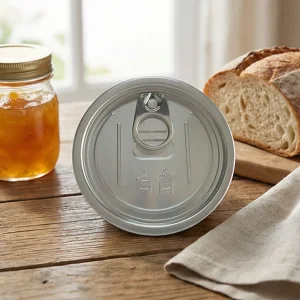
Complete your procurement package with our broader industrial metal closures, tamper-evident powder lids, and high-barrier metal packaging solutions.
Technical answers prepared by our senior packaging engineers regarding line matching, quality testing, Minimum Order Quantities (MOQ), and ocean transport safety.