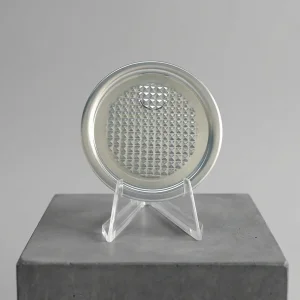
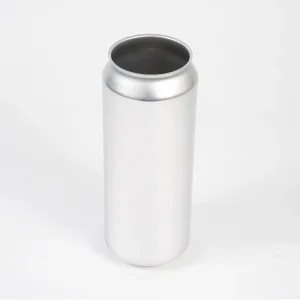
Factory-direct engineered lids, high-barrier tinplate components, and lightweight aluminum containers designed for high-speed automated beverage and dry food filling lines.
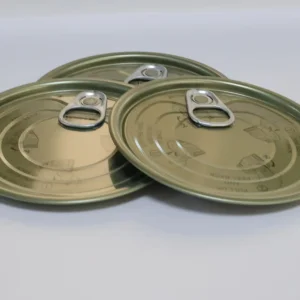
An executive analysis of market shifts, sustainability metrics, and material conversion from rigid glass to infinitely recyclable aluminum alloys.
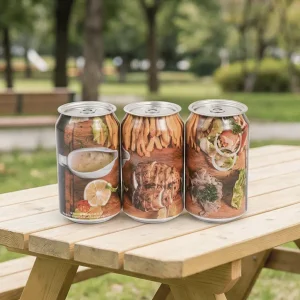
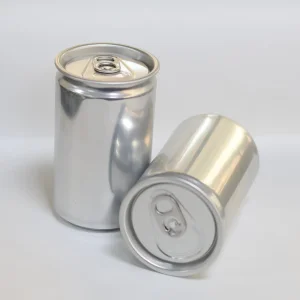
The global brewing and beverage industry is experiencing a profound structural transformation in its packaging mix. Driven by stringent international carbon neutrality mandates, escalating freight logistics costs, and shifting consumer preferences, wholesale beer containers—specifically two-piece drawn and wall-ironed (DWI) aluminum cans and high-barrier steel tinplate vessels—have evolved from mere containment units into highly sophisticated thermodynamic and protective engines.
Historically dominated by heavy glass bottles, the commercial brewing sector is rapidly realigning toward aluminum containers due to superior operational economics and environmental metrics. Aluminum beverage cans offer an absolute light barrier, preventing light-induced photo-oxidation (commonly referred to as "skunking") caused by the degradation of hop-derived isohumulones. Furthermore, the total weight of a empty 330ml aluminum can body is under 12 grams, representing an 85% reduction in tare weight compared to an equivalent glass bottle. This weight differential yields substantial fuel savings across ocean, rail, and freight routes, directly aligning with scope 3 emissions targets for global beverage brand owners.
Aluminum operates as a true closed-loop material. Recycling aluminum requires only 5% of the energy consumed in primary smelting from bauxite ore, reducing greenhouse gas emissions by up to 95%. Used beverage containers (UBCs) can return to retail shelves as brand-new cans in as few as 60 days.
The geometric efficiency of cylindrical metal containers maximizes cube utilization in ocean shipping containers and secondary distribution pallets. Standard 12oz (355ml) and 500ml aluminum cans eliminate the dead air space inherent in long-neck glass bottle geometries, increasing freight payload density by up to 40% per pallet block.
Advanced inner organosol and acrylic-phenolic polymer linings insulate the liquid beer from direct metal contact. This prevents iron or aluminum ion migration, maintaining pristine flavor profiles, head retention stability, and aroma retention over an extended 12 to 24-month ambient shelf life.
High-precision alloy selection, internal lacquer chemistry, and double-seam double-curl geometry for high-pressure beverage stability.
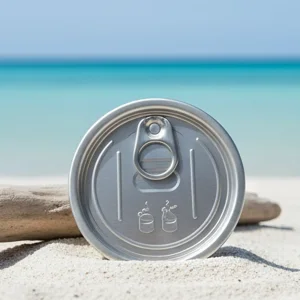
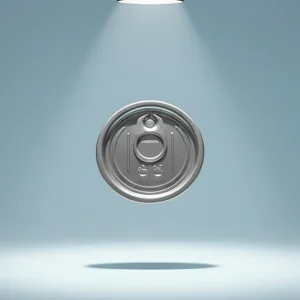
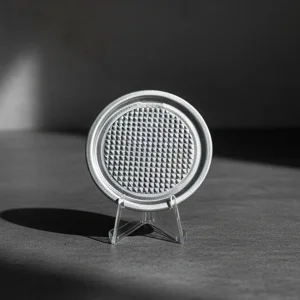
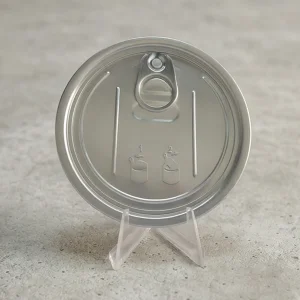
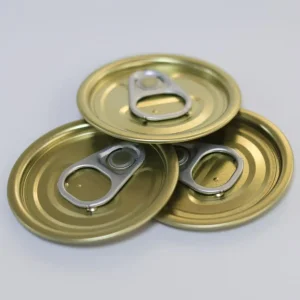
Modern wholesale beer container manufacturing is a discipline of micro-inch tolerances and material science optimization. The two-piece aluminum container comprises a drawn and wall-ironed (DWI) body mated with an advanced easy-open end (EOE) featuring a Stay-On Tab (SOT) or Ring Pull Tab (RPT) configuration.
To withstand internal carbonation pressures reaching up to 6.2 bar (90 PSI) during pasteurization (140°F / 60°C) without sidewall buckling or end dome inversion, container bodies and lids rely on highly specialized aluminum-manganese-magnesium alloys:
| Component | Alloy Designation | Temper / Gauge | Tensile Strength (MPa) | Primary Functional Role |
|---|---|---|---|---|
| Can Body Sheet | AA3104 | H19 (0.24mm - 0.28mm) | 290 - 320 MPa | High ductility for cupping and ironed wall elongation without micro-fracturing. |
| Easy-Open End (Shell) | AA5182 | H48 / H19 (0.20mm - 0.22mm) | 360 - 400 MPa | High yield strength to withstand internal pressure and resist score-line pop. |
| Pull Tab Stock | AA5052 | H38 (0.35mm - 0.40mm) | 270 - 310 MPa | Rigid structural rigidity to ensure smooth leverage and score line shearing. |
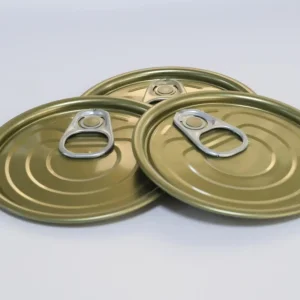
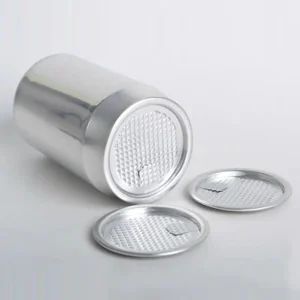
| Food/Powder Lids | Tinplate (ETP) / AA8011 | T3 / H14 (0.18mm - 0.25mm) | 330 - 450 MPa | Hermetic sealing, puncture resistance, and deep-drawing lid profiles. |
Direct contact between beer (which typically maintains a pH between 3.8 and 4.4) and raw aluminum can lead to chemical corrosion, hydrogen gas generation, and off-flavors. To counteract this, state-of-the-art airless spray systems apply high-performance internal coatings at film weights ranging from 120 mg/m² to 200 mg/m².
Engineering Insight: Double Seam Integrity is critical. The seam overlap between the body hook and the end hook must maintain a minimum of 45% engagement with zero wrinkle defects to ensure absolute seal integrity under ambient thermal expansion cycles during transoceanic shipping.
Tailored packaging configurations serving commercial breweries, craft microbreweries, RTD cocktail fillers, and industrial powder packers across global trade zones.
Requirement: Flexible short-run to high-volume 330ml, 355ml (12oz), and 473ml (16oz) standard can body supply with 202 SOT easy-open ends.
Solution: Palletized bright (unprinted) or custom 6 to 8-color high-definition offset decorated cans pre-treated with tactile matte or gloss varnishes. Integrated compatibility with counter-pressure and inline rotary automated seamers operating at speeds from 3,000 to 60,000 cans/hour.
Requirement: Elevated pressure resistance up to 6.5 bar for highly carbonated hard seltzers, sparkling wines, and nitro-infused stouts.
Solution: Heavy-gauge AA5182 202# lightweight shells paired with reinforced bottom-dome geometry (3104-H19) to prevent dome flip under extreme thermal pasteurization cycles (140°F / 60°C) or elevated ambient storage conditions in tropical markets.
Requirement: Zero moisture vapor transmission rate (MVTR) and 100% oxygen barrier protection for infant formula, protein powders, and coffee beans.
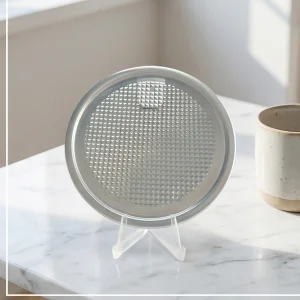
Solution: Full-opening 300#, 307#, 401#, and 502# tinplate and aluminum easy-open ends featuring anti-static treatments, smooth safety-peel foil membranes, and secondary plastic over-caps for recloseability.
Anticipating material developments, digital printing integration, and ultra-thin down-gauging breakthroughs over the next decade.
Transition from standard 0.26mm body gauges down to 0.22mm ultra-thin wall profiles via advanced computer-modeled necking and ironing technology, reducing raw material aluminum usage by 8% per unit.
Commercialization of next-generation bio-based plant resin linings replacing conventional synthetic polymers, yielding absolute zero chemical migration and compatibility with 100% of beverage acid profiles.
High-speed inline digital printing presses capable of rendering 1200 DPI photorealistic graphics at speeds exceeding 1,200 cans per minute, eliminating printing plates and enabling hyper-localized short-run packaging customization.
Integration of laser-etched micro-QR codes on the underside of pull tabs and invisible digital watermarking across the can body to facilitate automated AI optical sorting at recycling facilities and enable consumer engagement tracking.
Expert answers to critical engineering, quality assurance, regulatory compliance, and international bulk sourcing queries.
Select from our certified range of standard beverage cans, anti-static powder lids, odor-proof closures, and raw aluminum coils ready for immediate export shipping.