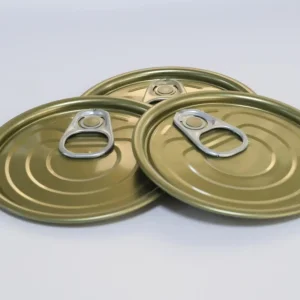
Direct supply from certified Chinese metal packaging facilities. Certified food-grade aluminum coils, precision ends, and 200ml–500ml beverage cans ready for export.
Deconstructing the modern shift in global beverage packaging towards single-serve, highly portable slim aluminum formats.
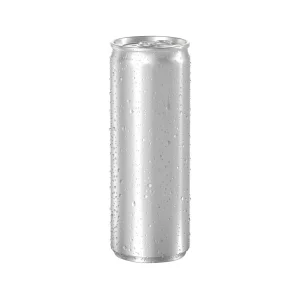
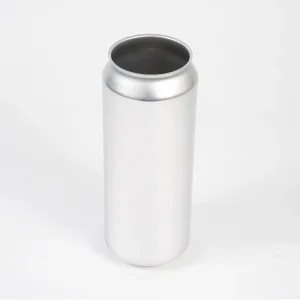
In the evolving global beverage industry, procurement teams and packaging engineers are increasingly shifting away from traditional 330ml and 355ml standard formats toward 250ml Slim Cans. Characterized by a sleek 53mm body diameter and an elegant profile height of approximately 134mm, the 250ml slim container represents the intersection of ergonomics, branding distinction, and portion-control premiumization. Key industry segments—including Ready-to-Drink (RTD) spirit cocktails, functional energy shots, premium cold brew coffees, sparkling kombuchas, and zero-sugar botanical elixirs—have adopted the 250ml slim can as their primary physical vehicle to command higher shelf margins and signal superior ingredient quality.
From a supply chain perspective, sourcing 250ml slim aluminum cans wholesale requires an in-depth understanding of manufacturing metallurgy, wall ironing economics, high-speed decoration tolerances, and internal liner chemistry. Leading 250ml slim can factories in China have built fully integrated manufacturing ecosystems that combine raw aluminum smelting, coil lacquering, high-speed Drawing and Wall Ironing (DWI), and computerized vision quality inspection to yield defect rates below 1 ppm (parts per million).
Advanced engineering infrastructure, high-speed production lines, and alloy selection that drive cost efficiency and mechanical integrity.
Chinese 250ml slim can factories utilize state-of-the-art Cupping and Drawing & Wall Ironing (DWI) machines. This process stretches a circular aluminum blank into a seamless, thin-walled cylinder with precise bottom dome architecture.
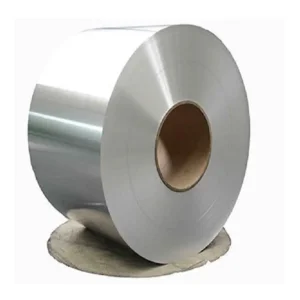
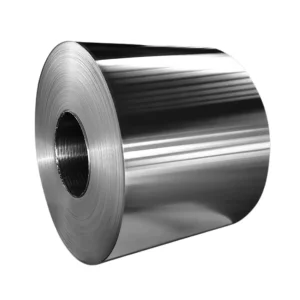
Can bodies are fabricated from premium 3104-H19 aluminum coil, engineered specifically for high ductility, excellent earing control during drawing, and superior tensile strength.
To meet stringent international food contact regulations, Chinese manufacturing hubs deploy advanced automatic spray coaters for internal lacquering.
Comprehensive technical metrics comparing 250ml Slim, 200ml Slim, 250ml Sleek, and 330ml Standard aluminum container parameters.
| Dimensional & Mechanical Metric | 250ml Slim Can | 200ml Slim Can | 250ml Sleek Can | 330ml Standard Can |
|---|---|---|---|---|
| Nominal Fill Volume | 250 ml (8.45 fl oz) | 200 ml (6.76 fl oz) | 250 ml (8.45 fl oz) | 330 ml (11.16 fl oz) |
| Brimful Volume | 263 ml ± 3 ml | 212 ml ± 3 ml | 265 ml ± 3 ml | 348 ml ± 4 ml |
| Outer Body Diameter | 53.30 mm ± 0.20 mm | 53.30 mm ± 0.20 mm | 58.30 mm ± 0.20 mm | 66.30 mm ± 0.20 mm |
| Can Height | 134.50 mm ± 0.30 mm | 111.00 mm ± 0.30 mm | 115.20 mm ± 0.30 mm | 115.20 mm ± 0.30 mm |
| Neck / End Size Standard | 200 Neck (Ø 50mm) | 200 Neck (Ø 50mm) | 202 Neck (Ø 52mm) | 202 Neck (Ø 52mm) |
| Tare Weight (Approx.) | 10.2 grams | 9.1 grams | 11.0 grams | 12.5 grams |
| Max Buckle Resistance | ≥ 6.2 bar (90 PSI) | ≥ 6.2 bar (90 PSI) | ≥ 6.0 bar (87 PSI) | ≥ 6.0 bar (87 PSI) |
| Axial Load Resistance | ≥ 850 N (86 kgf) | ≥ 900 N (91 kgf) | ≥ 950 N (96 kgf) | ≥ 1000 N (102 kgf) |
| Internal Lacquer Rating | < 2.0 mA at 6.3V DC | < 2.0 mA at 6.3V DC | < 2.0 mA at 6.3V DC | < 2.0 mA at 6.3V DC |
Key risk management factors for global B2B procurement, covering double seam parameters, quality control protocols, and shipping dunnage.
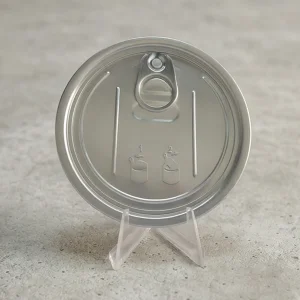
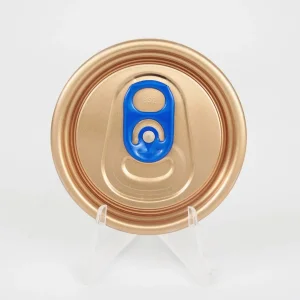
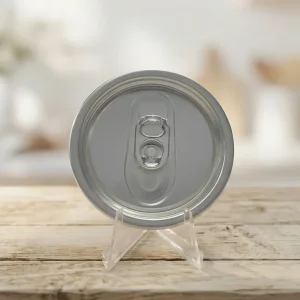
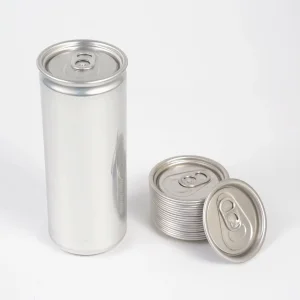
Successful high-speed beverage filling relies on flawless double-seam formation between the 250ml slim body flange and the 200# SOT (Stay-On Tab) or RPT (Resealable Pull Tab) lid.
Sourcing from tier-1 Chinese factories guarantees full traceability from primary ingot to loaded shipping container.
Aluminum cans are lightweight yet high-volume cargo. Factories utilize optimized bulk palletization to prevent freight damage during ocean transit.
Evaluating regional consumer behavior, packaging regulations, and beverage sector adaptations across global markets.
In the United States and Canada, the booming Ready-To-Drink (RTD) spirit cocktail and hard seltzer markets have driven double-digit annual growth for 250ml slim containers. Brands leverage slim cans to communicate a lower calorie count, reduced sugar content, and premium single-portion luxury.
Under the European Union Packaging and Packaging Waste Regulation (PPWR), brands are forced to adopt infinitely recyclable packaging formats. The 250ml slim aluminum can offers a closed-loop recycling ecosystem where a spent can is remelted, rolled, and returned to retail shelves in under 60 days.
Across APAC and the Middle East, high-octane functional energy drinks, ginseng tonics, and sparkling herbal infusions favor 250ml slim packaging. The compact diameter allows superior palm feel, easy carry-along mobility, and rapid refrigeration chilling.
In-depth technical and commercial answers compiled by packaging engineers for OEM/ODM buyers, brand owners, and co-packers.
Explore full spectrum raw materials, specialized lids, and container formats produced by our certified manufacturing lines.