Direct factory supply featuring 100% automated optical inspection, food-grade BPA-NI protective linings, and precise double-seam compatibility.
A comprehensive analysis of metallurgical specs, wall-ironing chemistry, and internal protective coatings for modern high-speed canning systems.
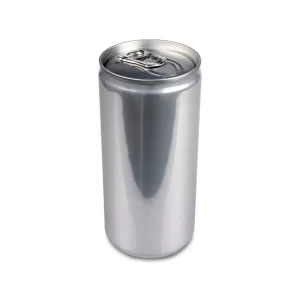
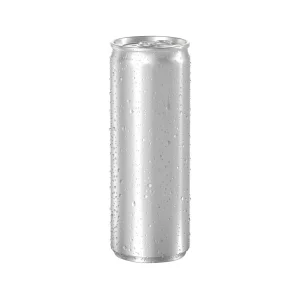
In the global beverage manufacturing industry, the 16 Oz (473 ml) Standard and Pint Aluminum Can represents one of the fastest-growing packaging formats. Widely adopted across craft beer, ready-to-drink (RTD) cocktails, energy drinks, cold-brew coffee, and functional beverages, the 16 Oz container requires strict adherence to physical geometry, structural rigidity, and chemical inertness. Sourcing directly from certified 16 Oz Cans Manufacturers ensures that brand owners, co-packers, and commercial beverage plants mitigate the risk of micro-leaks, flange splitting, or seam failure during high-speed automated filling lines operating at speeds upwards of 1,200 to 2,400 cans per minute (CPM).
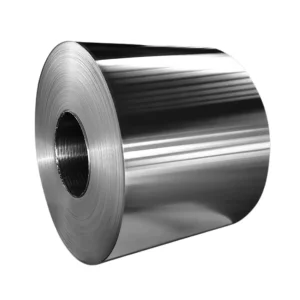
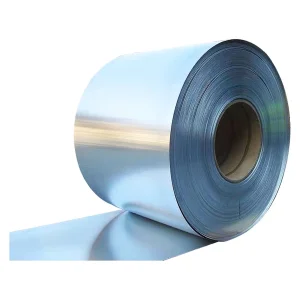
The manufacturing process of a 16 Oz two-piece drawn and wall-ironed (DWI) aluminum body relies on high-grade manganese-magnesium aluminum alloy coil—specifically AA3104-H19. This alloy is cold-rolled to a extra-hard strain-hardened temper, delivering exceptional tensile strength and deep-drawing ductility. Below is an engineering overview of the chemical and structural properties that drive premium 16 Oz can body manufacturing:
| Technical Metric | AA3104-H19 Can Body Material | AA5182-H48 Easy-Open Shell Stock | Operational Engineering Benefit |
|---|---|---|---|
| Yield Strength (Rp0.2) | 270 – 310 MPa | 310 – 350 MPa | Prevents sidewall buckling during pressurized transport and vertical stacking. |
| Tensile Strength (Rm) | 290 – 330 MPa | 360 – 400 MPa | Provides maximum expansion limit before metal tear during necking & flanging. |
| Earing Ratio (%) | ≤ 1.8% (45° angle) | N/A | Ensures uniform wall thickness during multi-stage cupping and ironing. |
| Sidewall Thickness | 0.095 mm – 0.102 mm | N/A | Optimizes metal mass reduction while securing structural column strength. |
| Bottom Dome Thickness | 0.275 mm – 0.285 mm | N/A | Absorbs internal pressure surges (CO2 load) up to 90 PSI without reversing. |
A primary failure point in wholesale beverage can procurement is internal corrosion caused by acidic beverage chemistry. Low-pH liquids such as sour beers (pH 3.0–3.4), energy drinks containing citric acid (pH 2.5–2.8), or carbonated mixers will rapidly etch exposed aluminum, resulting in hydrogen pinholes, off-flavor migration, and package degradation. Modern 16 Oz Cans Manufacturers implement advanced BPA-NI (BPA Non-Intent) internal spray coatings utilizing Epoxy-Acrylic, Modified Polyester, or Polyolefin Dispersion (POD) formulations.
Quality Assurance Benchmark: Every batch of 16 Oz cans undergoes an Enamel Rater Test (WACO tester) applying 6.3V DC across an electrolyte solution. A pass rating requires current dissipation of less than 2.0 mA across the entire interior surface, guaranteeing zero microscopic void exposure or metal pinholes.
Engineered for high-acid soft drinks and cider applications. Provides superior chemical resistance and eliminates flavor absorption (flavor scalping) of delicate aromatic compounds.
Next-gen water-based dispersion offering extreme flexibility during necking operations. Fully compliant with strict European Union (EC) No 1935/2004 and California Proposition 65 directives.
Formulated to withstand thermal processing conditions up to 121°C (250°F) for 30 minutes. Essential for dairy-based RTD coffees, protein beverages, and tea drinks requiring sterilization.
How fully automated, vertically integrated production hubs in China deliver uncompromised volume capacity, cost optimization, and supply continuity.
The global metal packaging supply chain faced severe disruptions over recent years, prompting global enterprises to seek resilient manufacturing partners with robust raw material integration, smart factory automation, and predictable ocean freight logistics. China’s advanced metal packaging facilities—operating under Industry 4.0 Smart Manufacturing frameworks—have elevated the benchmark for wholesale 16 Oz can production.
Unlike regional contract converters who source third-party coil, premier China-based suppliers maintain direct integration with aluminum smelting and hot-rolling complexes. This direct supply loop yields distinct procurement advantages:
To eliminate high-speed packaging defects on downstream filling lines, Industry 4.0 factories deploy high-resolution Machine Vision Inspection Systems equipped with deep-learning neural networks. Cameras installed at every critical transition node evaluate 100% of the cans produced:
Optical sensors detect minute flange dents, ovality deviations (>0.2mm), or metal burrs that could compromise seamer chuck engagement and double-seam hermetic seals.
High-sensitivity pinhole detection systems test each can using concentrated light arrays. Any light penetration exceeding 5 microns triggers immediate automatic rejection via high-pressure air jet.
In-line spectrophotometers verify 6-color to 8-color dry offset printing accuracy against pantone targets, adjusting lacquer film density in real time during high-speed printing runs.
Tailored packaging configurations designed to handle specific internal pressure dynamics, filling speeds, and shelf-life requirements.
Challenge: Dissolved Oxygen (DO) pickup control and high internal carbonation pressure (up to 3.8 volumes CO2).
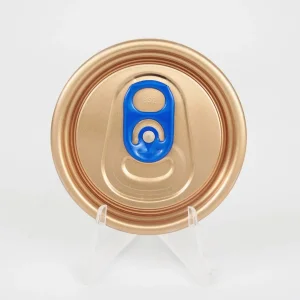
Solution: 16 Oz can bodies paired with 202 SOT (Stay-On Tab) easy-open ends featuring 5182-H48 end shells. Formulated with high-barrier interior lacquer to prevent sulfur compound reduction and preserve hop aroma.
Challenge: Extreme pH aggressiveness (pH 2.4 - 2.9) caused by taurine, citric acid, and ascorbic acid additives.
Solution: Heavy spray application of modified cross-linked epoxy-acrylic or polyolefin liners guaranteeing a film weight of 80–100 mg/can. Eliminates liner breakdown over a 24-month guaranteed shelf life.
Challenge: Non-carbonated liquids lack internal gas pressure, causing sidewall softness and collapse during pallet stacking.
Solution: Integration with Liquid Nitrogen Dosing (LN2) systems prior to seaming, combined with high axial-strength 0.100mm wall-ironed aluminum bodies to maintain internal pressurization at 15–20 PSI.
Navigating Total Cost of Ownership (TCO), seamer calibration, and quality agreement parameters for international procurement teams.
For procurement directors managing global packaging budgets, evaluating wholesale 16 Oz can suppliers requires analyzing parameters far beyond FOB unit price. A low-cost container that causes double-seam jams, excessive micro-leaks, or line downtime on high-speed fillers results in significant Total Cost of Ownership (TCO) escalation.
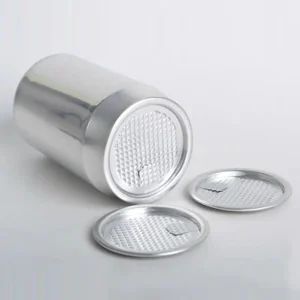
A double seam is an airtight mechanical joint formed by interlocking the can body flange with the easy-open end curl. To achieve a 100% hermetic seal, 16 Oz Cans Manufacturers must deliver consistent dimensional tolerances matching global seamer standards (such as Angelus, Ferrum, Pneumatic Scale, or Cask systems):
| Double Seam Parameter | Standard Target Value | Acceptable Tolerance Range | Consequence of Deviation |
|---|---|---|---|
| Seam Height (SH) | 2.85 mm | ± 0.08 mm | Excessive height leads to loose double seam and false seam creation. |
| Seam Thickness (ST) | 1.12 mm | ± 0.04 mm | Over-compression causes metal fracture; under-compression causes leakage. |
| Countersink Depth (CS) | 3.15 mm | ± 0.10 mm | Inconsistent depth causes chuck slip and tab tear during high-speed seaming. |
| Body Hook Length (BH) | 1.40 mm | ± 0.12 mm | Short body hook reduces overlap percentage below the 80% safety margin. |
| Overlap Percentage (%OL) | ≥ 82% | Min 78% | Inadequate overlap compromises gas retention and permits bacterial ingress. |
Export logistics represent a crucial component of the wholesale supply chain. Premium suppliers implement rigorous ocean freight packaging protocols to maximize container payload while eliminating transport abrasion or crushing:
Certifications, legal documentation, and technical field assistance for seamless market entry in North America, Europe, APAC, and MEA.
Entering international retail markets demands strict compliance with regional food-contact materials regulations. Top-tier 16 Oz Cans Manufacturers supply full analytical testing documentation with every bulk export shipment, providing regulatory peace of mind for brand auditors.
Full compliance for resinous and polymeric coatings intended for food contact across North America. Certification verified through overall migration testing into food-simulating solvents.
Compliance with European directives on heavy metal limits (lead, cadmium, mercury, hexavalent chromium < 100 ppm combined) and REACH SVHC declarations.
Manufacturing facilities operate certified Hazard Analysis and Critical Control Point (HACCP) regimes, ensuring zero biological, physical, or chemical contamination.
Pioneering sustainable metal packaging: Next-gen lightweighting, high PCR aluminum content, and smart digital printing.
As the global beverage industry accelerates toward circular economy goals and zero-carbon targets, metal packaging technology is undergoing rapid evolution. Key technical roadmaps driving the 2026–2030 packaging landscape include:
Engineering research focuses on reducing coil thickness without compromising vertical crush resistance. By redesigning the bottom dome geometry and altering the work-hardening profile during wall ironing, next-generation 16 Oz can bodies are transitioning from 0.260mm incoming coil down to 0.240mm–0.245mm stock, yielding a 5% to 7% metal savings per container and reducing freight carbon footprints globally.
Aluminum cans already hold the highest recycling rate of any beverage container worldwide. Strategic manufacturers are increasing the Post-Consumer Recycled content in AA3104 coil to over 85%. Re-melting recycled aluminum consumes 95% less energy compared to primary aluminum smelting from bauxite ore, lowering total carbon equivalent output per thousand cans significantly.
Replacing traditional photopolymer printing plates, high-speed HD digital printing engines running at 1200 DPI allow short-run customization, variable QR coding, and complex graphic gradients directly on aluminum bodies. This empowers brands to launch seasonal SKUs, trace product supply chains in real time, and eliminate plate set-up costs.
Answers to common engineering, procurement, and specification inquiries provided by our metal packaging specialists.
Complementary product lines manufactured under identical ISO/FSSC quality assurance standards.