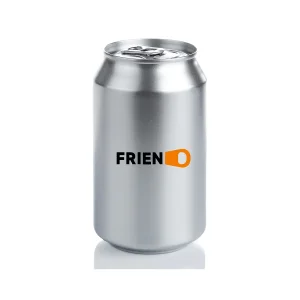
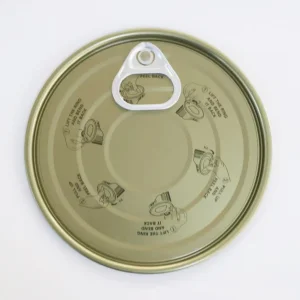
Explore our high-precision 12 oz aluminum cans, easy-open ends, and industrial metal packaging coils engineered for high-speed filling environments.
Analysing the structural transition from single-use plastics to closed-loop aluminum packaging across global B2B procurement networks.
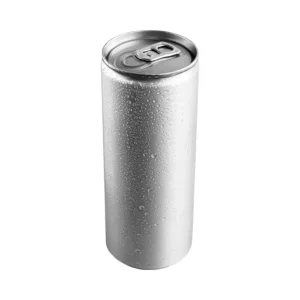
The global rigid metal packaging market is witnessing an unprecedented paradigm shift, anchored by the rapid adoption of the standard 355ml (12 oz) aluminum beverage can. Driven by evolving ESG (Environmental, Social, and Governance) mandates, stringent municipal plastic bans, and shifting consumer preferences toward premium, infinitely recyclable packaging formats, high-volume beverage manufacturers are restructuring their supply chains. The 12 oz aluminum can has solidified its status as the global standard for carbonated soft drinks (CSDs), craft beer, hard seltzers, energy drinks, ready-to-drink (RTD) teas, cold brew coffees, and functional sparkling waters.
In modern industrial bottling and canning operations, 12 oz cans offer operational efficiency unmatched by glass or polyethylene terephthalate (PET). Aluminum’s superior thermal conductivity enables rapid chilling, while its total barrier property provides absolute protection against ultraviolet light and oxygen ingress—the primary drivers of beverage flavor degradation and lipid oxidation. Furthermore, from a supply chain logistics standpoint, empty 12 oz aluminum cans boast an exceptional volume-to-weight ratio, dramatically minimizing freight emissions and inbound shipping costs per unit.
Global wholesale sourcing for 12 oz aluminum cans involves highly integrated procurement frameworks. B2B buyers must navigate complex material dynamics, including alloy pricing indices (LME aluminum cash settlement prices), specialized inner liner coatings (BPA-NI / Epoxy-free), neck diameter standardization (202# vs 200# ends), and regional compliance standards. Sourcing directly from advanced OEM/ODM manufacturers like Shanghai Friend Metals Technology Co., Ltd. ensures that enterprise beverage brands secure consistent quality tolerances, robust supply continuity, and direct factory pricing mechanisms that insulate against spot market volatility.
Bridging the gap between engineering specifications, high-speed line integration, and total cost of ownership (TCO) optimization.
When high-volume beverage brands, contract packers (co-packers), and brewery procurement directors query terms such as "Wholesale 12 Oz Cans Manufacturers Service & Suppliers", their underlying intent extends far beyond simple price-per-thousand (CPM) rates. Technical decision-makers demand rigorous engineering parameters that eliminate line downtime, prevent seam failures, and pass stringent shelf-life validation protocols. Our deep intent mining reveals key procurement requirements across four technical pillars:
Choosing between the classic Standard 12 oz (355ml) format (Ø66mm body diameter with a 202 neck) and the modern Sleek 12 oz (355ml) format (Ø58mm body diameter with a 200 neck). Sleek formats offer higher shelf appeal for functional beverages, whereas Standard formats maximize high-speed depalletizer speeds and warehouse pallet density.
Evaluation of advanced internal spray lacquers. Transitioning from traditional epoxy resins to next-generation BPA-NI (Bisphenol A Non-Intent) acrylic or polyester-based liners. Liners must be custom-formulated to match beverage aggressiveness (pH, Brix, organic acids, and dissolved CO2/N2 volumes) to prevent corrosion or off-taste generation.
Ensuring seamless interface compatibility with high-speed rotary seamers (e.g., Ferrum, Angelus, CFT). Ends (SOT/RPT) must maintain exact curl thickness, countersink depth, and flange radius to guarantee leak-tight double seams even at speeds exceeding 1,500 to 2,000 cans per minute.
Below is the standard engineering baseline provided by Shanghai Friend Metals for wholesale B2B evaluation:
Inside the modern two-piece Draw and Wall Ironing (DWI) process: How raw aluminum coil transforms into high-performance beverage packaging.
The manufacture of two-piece 12 oz aluminum cans represents one of the most sophisticated high-speed metal forming processes in modern industrial engineering. Operating at production rates exceeding 3,000 units per line per minute, our automated manufacturing facilities leverage state-of-the-art European and American machinery (including Cupper presses, Bodyformers, Washer-Ovens, and Pin-Grid Decorators) to achieve sub-micron dimensional repeatability.
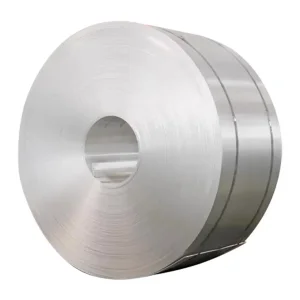
Prime 3104-H19 aluminum coil, lubricated with synthetic food-grade emulsion, is fed into a multi-die cupping press. The press blanks and draws the coil into shallow metal cups with precisely controlled wall integrity and uniform grain orientation, preventing anisotropic earing during subsequent ironing stages.
The cup is forced through a series of progressively smaller tungsten carbide ironing rings inside a high-speed bodyformer. This thins the container wall while extending its length to the precise 12 oz height requirement. A rotary knife then trims the uneven top edge to ensure a flawless necking surface.
Formed can bodies move through a multi-stage washer utilizing deionized water and chemical baths to strip drawing lubricants, etch the aluminum surface, and deposit a zirconium-based conversion layer. This provides superior anti-oxidation properties and prepares the aluminum for optimal paint adhesion.
Using 6-to-8 color dry offset printing stations, detailed graphics are transferred onto the rotating can body at speed. A protective over-varnish (matte, gloss, tactile, or metallic effect) is instantly applied, followed by high-temperature thermal curing inside a pin-grid oven.
Cans enter automated internal spray machines where precise electro-pneumatic nozzles coat the inner surfaces with a continuous, pinhole-free layer of food-contact-approved BPA-NI protective lacquer. High-temperature bake ovens cross-link the polymer coating to guarantee total chemical inertness.
The top diameter of the can body is systematically reduced through 12-to-16 sequential spin-necking dies, forming the smooth 202 or 200 neck radius. Finally, 100% of finished cans pass through automated optical camera vision systems and high-voltage light leak testers prior to palletization.
Emerging technological innovations redefining lightweighting, digital decoration, smart packaging, and decarbonization in metal manufacturing.
Through advanced finite element analysis (FEA) and grain structure refinement in 3104 alloy rolling, coil wall gauges are decreasing from 0.280mm down to 0.235mm without degrading column crush strength or dome buckle resistance. This yields a direct 12% reduction in raw material carbon intensity per unit produced.
Replacing traditional flexographic plates with ultra-high-resolution (1200 DPI) direct-to-can digital printing arrays. This technology eliminates minimum order quantity (MOQ) barriers for craft beverages, permits variable data QR code printing on individual cans, and reduces setup scrap by over 95%.
Transitioning primary metal sourcing to smelters operating exclusively on hydroelectric power, combined with increasing Post-Consumer Recycled (PCR) metal ratios up to 85%. This closed-loop initiative drives the net greenhouse gas footprint of wholesale 12 oz cans toward true net-zero targets.
Shanghai Friend Metals remains at the forefront of these technological shifts, actively collaborating with global research institutes to implement AI-driven inline vision inspection, ultra-thin BPA-NI internal lining formulations, and smart inventory tracking systems for high-volume enterprise buyers across Europe, North America, and the APAC region.
Ensuring seamless international customs clearance, regulatory adherence, and localized engineering support across major global jurisdictions.
Navigating global supply chain logistics requires absolute compliance with national food safety standards and international trade frameworks. Packaging products manufactured by Shanghai Friend Metals undergo comprehensive testing before export, ensuring immediate acceptance by regulatory authorities in destination markets worldwide.
Full compliance with US FDA 21 CFR 175.300 for resinous and polymeric coatings. Liners are certified free of prohibited heavy metals (CONEG standard) and meet strict California Proposition 65 requirements for chemical safety.
Adherence to EC Regulation No. 1935/2004 and EU 10/2011 for materials intended to come into contact with food. Complete overall migration limit (OML) and specific migration limit (SML) testing documentation included with every export shipment.
Fully compliant with China GB 4806.10 national food safety standards, Japan Food Sanitation Act, Mercosur guidelines, and global ISO 9001 / FSSC 22000 quality management audit structures.
Exporting fragile, thin-walled aluminum packaging across international ocean shipping lanes requires rigorous packing standards. We utilize robust industrial export packing frameworks to prevent transit damage:
Engineering answers to critical procurement queries submitted by beverage packaging professionals.
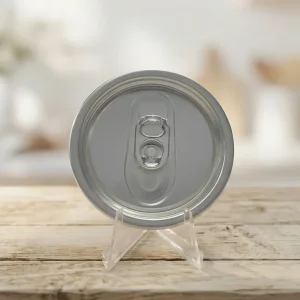
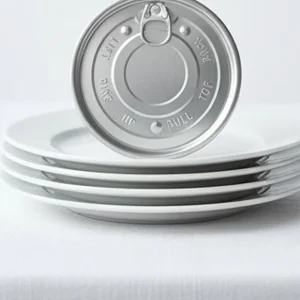
Explore our specialized aluminum lids, high-temperature sterilizable solutions, and premium raw coils.