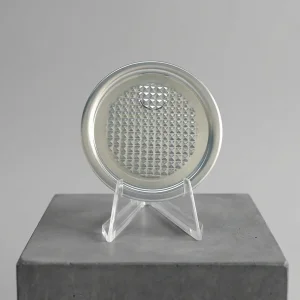
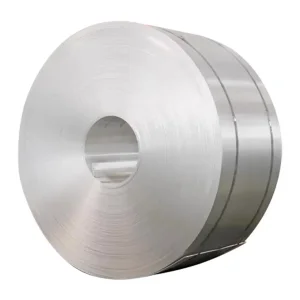
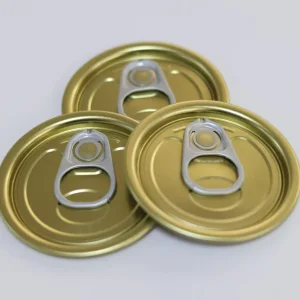
Explore our top-tier precision-engineered aluminum cans, easy-open ends, and specialized food-grade tinplate packaging hardware optimized for high-speed filling lines.

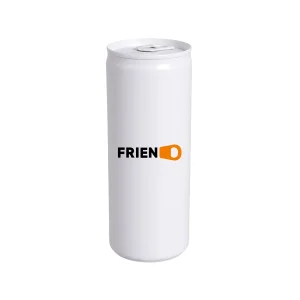


An exhaustive analysis of consumer psychographics, retail space optimization, and structural packaging innovation driving modern beverage choices.
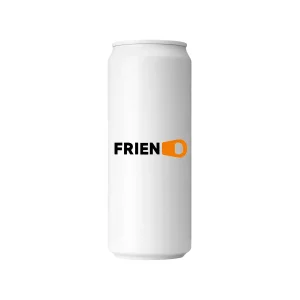
The fast-moving consumer goods (FMCG) packaging ecosystem is undergoing an unprecedented structural transition. The traditional 330ml and 355ml standard aluminum cans, while maintaining dominance in legacy soft drink categories, are increasingly ceding market share in high-margin segments to the Sleek 250ml can format.
This shift is driven by modern health-conscious consumer behavior. The modern consumer demands portion control, lower sugar intake per serving, and ergonomic aesthetic appeal. The slender profile of the 250ml sleek container offers a visual signal of sophistication, modern luxury, and active lifestyle suitability.
From an enterprise supply chain standpoint, the 250ml sleek geometry optimizes retail footprint and freight density. Retailers face rising real estate costs per square meter; maximizing revenue density per linear shelf meter is paramount.
Furthermore, aluminum packaging leads the circular economy transition. With an infinitely recyclable metallurgy, aluminum can bodies achieve a closed-loop recycling rate exceeding 70% in primary global markets, outpacing glass and PET plastics.
High-precision Draw & Ironing (DWI) manufacturing metrics, necking tolerances, double-seaming mechanics, and internal polymer liner chemistry.
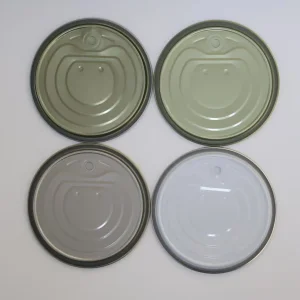
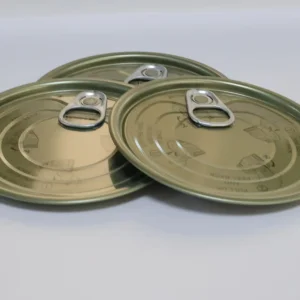
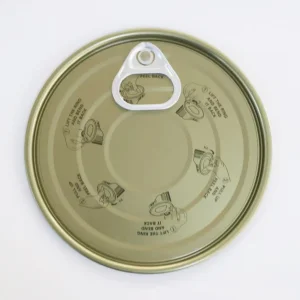
Engineering a high-performance Sleek 250ml aluminum can requires strict metallurgical control. The container body utilizes 3104-H19 aluminum alloy coil, cold-rolled to precise gauge tolerances to achieve extreme tensile strength with minimal material weight. The end shells feature 5182-H48 alloy with 5052-H85 pull tabs, balancing burst strength with effortless opening force.
| Technical Dimension / Metric | Engineering Specification Standard | Quality Assurance Testing Protocol |
|---|---|---|
| Nominal Fill Volume | 250 ml (8.45 fl oz) ± 2ml brimful safety buffer | Volumetric gravimetric liquid dosing check |
| Can Body Outer Diameter | Ø 53.3 mm ± 0.15 mm (Sleek Profile Standard) | Laser contact-free optical micrometer scan |
| Can Overall Height | 134.0 mm ± 0.20 mm | High-precision vertical digital height gauge |
| Neck Diameter & Closure Compatibility | 200 Diameter Necking (Compatible with 200 SOT/RPT Ends) | Go/No-Go plug gauge & optical profile projection |
| Mid-Wall Thickness | 0.095 mm ± 0.004 mm (Optimized Lightweighting) | Ultrasonic non-destructive wall gauge tester |
| Axial Load Resistance (Crush) | ≥ 1000 N Vertical Compression Force | Top-load crushing force press test |
| Internal Pressure (Buckle Strength) | ≥ 6.2 bar (90 psi) without dome reversal | Hydraulic burst & pressure decay testing |
| Internal Liner System | BPA-Non-Intent (BPA-NI) Modified Acrylic / Organosol | Enamel Rater electric conductivity test (< 2.0 mA) |
Beverage chemistry dictates internal lacquer formulation. Highly aggressive liquids—such as carbonated energy drinks with organic acids, low-pH cider, or nitrogenated cold brew coffee—can degrade poor-quality internal coatings, leading to aluminum ion migration, off-flavors, or pinhole leaks.
Our supply line implements advanced BPA-NI (Non-Intent) airless spray technology. High-speed electro-static nozzles apply a uniform, continuous 5 to 8-micron cross-linked polymer film inside the body interior, guaranteeing zero flavor scalping and extended shelf-life stability up to 18 months.
The double seam formed between the 200-diameter end curl and the 250ml can body flange is the ultimate point of structural integrity. A failure in seam tightness results in loss of carbonation, micro-biological contamination, or product leakage during transoceanic shipping.
We supply detailed Double Seam Teardown Specifications including target Seam Length, Seam Thickness, Body Hook, End Hook, and Optical Overlap Percentage (≥ 60% requirement), ensuring seamless calibration on standard high-speed seamer equipment like Ferrum, Angelus, and pneumatically driven counter-pressure seamers.
How Chinese modern manufacturing infrastructure delivers cost efficiency, unprecedented precision, and robust export logistics capability to global procurement teams.
Production lines operate at speeds exceeding 1,200 cans per minute per line. Human manual inspection is mathematically incapable of identifying high-speed micro-defects.
Our Industry 4.0 facilities embed high-resolution 360-degree AI optical vision systems at multiple line stages—inspecting internal coating pinholes, flange denting, neck deformation, and exterior print registration in real-time, automatically ejecting sub-grade units instantly.
Cost volatility in primary aluminum ingot spot prices (LME) poses financial risk for global beverage brands. Chinese manufacturing ecosystems feature deep vertical integration.
By controlling aluminum coil slitting, lacquer coating chemistry, end stamping, and body drawing under unified digital manufacturing control, we shield enterprise clients from dramatic supply chain disruptions while maintaining competitive FOB/CIF tier-1 pricing.
Long-distance ocean freight subjects aluminum cans to condensation, oxidation, pressure differentials, and transit vibration. Generic packaging leads to collapsed bottom domes or edge scuffing.
We utilize custom export-spec wooden/composite slip-pallets with rigid top frames, heavy-duty edge protectors, thermal shrink-wrap hooding, and VCI anti-corrosion desiccant packs, ensuring pristine condition upon arrival at destination ports.
How high-growth beverage categories leverage the Sleek 250ml container format to unlock new retail channels and maximize consumer engagement.
Energy drinks require maximum gas retention and robust interior liners capable of resisting taurine, caffeine, high B-vitamin concentrations, and acidic fruit juice concentrates.
The 250ml sleek format is the globally recognized gold standard for functional shots, offering the perfect single-serve intake volume while conveying modern high-performance energy positioning.
The RTD canned cocktail market (Gin & Tonic, Hard Seltzer, Tequila Soda) is exploding across North America, Europe, and Asia-Pacific. Spirits require strict food-grade barrier compliance to prevent corrosion from alcohol concentrations ranging from 4% to 12% ABV.
Sleek 250ml aluminum cans provide total light blockage, zero UV oxidation, and swift chill times, making them superior to traditional glass bottles for outdoor venues, festivals, and airlines.
Nitrogen-infused cold coffee and milk-based matcha teas face complex retort thermal processing requirements (up to 121°C sterilization) and require liquid nitrogen dosing during filling to preserve internal can pressure.
Our heavy-duty 3104 alloy body construction maintains exceptional axial load stability during hot thermal processing and liquid nitrogen expansion, protecting can geometry against side-wall panelling.
Real-world technical answers compiled by our chief packaging engineers to accelerate enterprise procurement decisions.
Discover our extended line of specialized easy-open lids, freeze-resistant ends, aluminum coils, and custom food-grade closure systems.