Engineering Whitepaper & Sourcing Report

High-Quality Old Coffee Tins Products & Product

Next-Generation Metal Packaging Solutions: Integrating Hermetic Gas Barrier Engineering, Vintage Branding Aesthetics, and Advanced China Manufacturing Ecosystems

Featured High-Precision Metal Packaging Products (Part I)

Explore our industrial-grade metal packaging catalog engineered for coffee, dry solids, and specialized powders. Fully customizable, food-contact compliant, and optimized for automated high-speed filling lines.

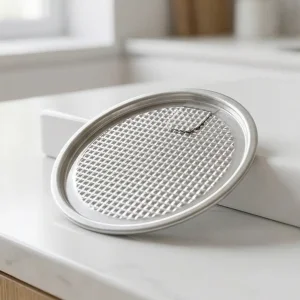
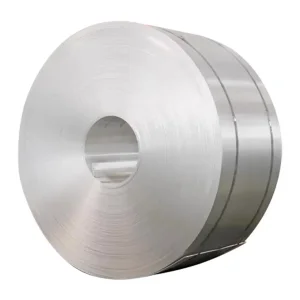
3104 Aluminum Coils
China Top-Quality 3104# Aluminum Coils from Leading Factory
View Technical Spec
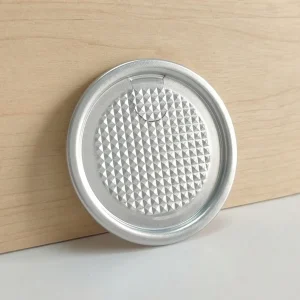
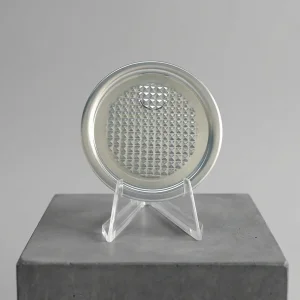
Sterilizable Aluminum Lids
China High-Temperature Sterilizable Aluminum Lids for Sterile Powders
View Technical Spec
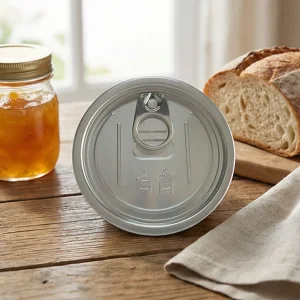
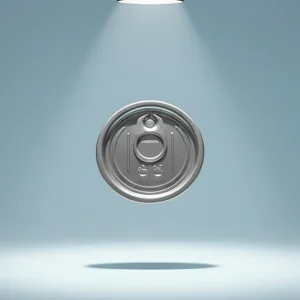
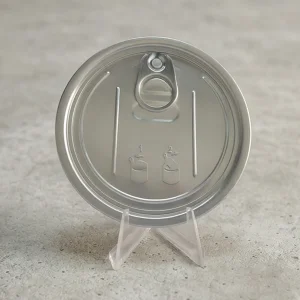
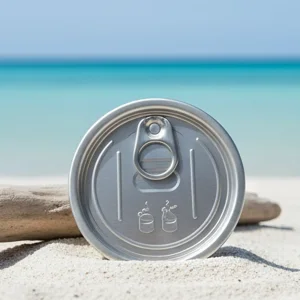
206 Easy Open Lids
High-Quality 206# Easy-Open Aluminum Lids for Powders
View Technical Spec
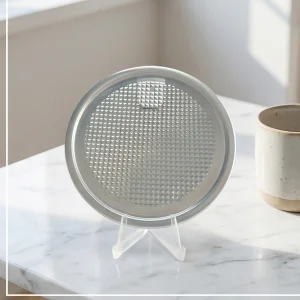
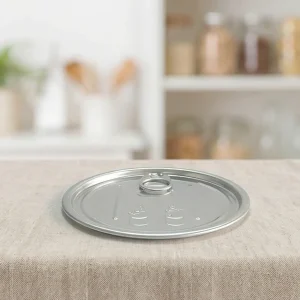
401 Easy Open Lids
China Premium 401# Easy-Open Aluminum Lids for Freshness
View Technical Spec
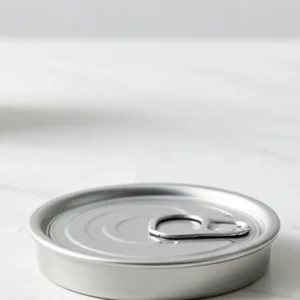
307 Easy Open Lids
Wholesale Eco-Friendly 307# Aluminum Easy-Open Lids
View Technical Spec
Odor-Proof Lids
China Odor-Proof Aluminum Easy-Open Lids for Aroma Preservation
View Technical Spec
401 Sealed Lids
Wholesale Premium 401# Easy-Open Factory Sealed Lids
View Technical Spec
Low-Profile 307 Lids
China Low-Profile 307# Space-Saving Aluminum Easy-Open Lids
View Technical Spec
Executive Summary & Technical Market Analysis

The Re-Emergence of High-Quality "Old Coffee Tins": Bridging Vintage Aesthetics with 21s-Century Barrier Science

Understanding user intent in modern procurement: How retro tinplate structures provide structural superiority, light immunity, and unmatched carbon retention compared to flexible barrier films.

Historical Heritage Meets Modern Material Science

The phrase "Old Coffee Tins" no longer simply references nostalgic collectibles found in antique markets; in global B2B manufacturing, it denotes a specialized product design classification. Modern specialty coffee roasters, commercial distributors, and high-end retail food brands are aggressively reviving vintage tinplate geometries—characterized by cylindrical, rectangular, and embossed metal structures—while upgrading their internal metallurgy with advanced food-contact polymers and precision-engineered easy-open ends (EOEs).

Unlike flexible plastic pouches or composite paper canisters, rigid metal containers offer zero oxygen transmission rate (OTR) and zero moisture vapor transmission rate (MVTR). When roasting coffee beans, lipid oxidation and volatile aromatic degradation are the primary vectors of staling. By enclosing whole beans or roasted ground coffee in high-grade tinplate or aluminum containers featuring degassing valves and airtight seals, brands achieve a shelf life extension from 6 months up to 24 months without chemical preservatives.

Key Market Drivers & Intent Mining Insights

Search intent analysis reveals that global procurement buyers searching for "Old Coffee Tins Products" are fundamentally looking for four critical outcomes:

  • Aesthetic Differentiation: High-end shelf appeal through 3D embossing, tactile varnish, matte-metallic contrast, and retro branding formats.
  • Hermetic Integrity: Industrial double-seaming capability combined with 200# to 502# Easy-Open Aluminum Lids or Peel-Off Membranes.
  • Supply Chain Economics: Competitive OEM unit costs driven by automated Chinese manufacturing lines and integrated coil sourcing.
  • ESG & Sustainability Mandates: Replacing single-use multi-layer plastics with infinitely recyclable metals (Tinplate & Aluminum).
0.00
cc/m²/day Oxygen Transmission (OTR)
100%
Infinitely Recyclable Packaging Metal
24+
Months Freshness Retention Period
600+
Cans Per Minute Production Velocity
Materials & Engineering Precision

Metallurgical Architecture: Tinplate Standards & Aluminum Lid Integration

Deep dive into alloy selections (3104, 5182, 8011), internal lacquers (BPA-NI Organosol/Epoxy), double-seam geometry, and degassing valve engineering.

Tinplate & Aluminum Alloy Specs

High-quality coffee containers utilize Prime Electrolytic Tinplate (ETP) or lightweight Aluminum alloys. ETP features a steel core coated with microscopic tin layers (E2.8/2.8 coating weight) providing immense structural column strength during stacking.

For top closures, 3104-H19 and 5182-H48 aluminum coils are deep-drawn into Easy-Open Ends (SOT/RPT). Temper levels (T3 to DR8) are meticulously matched to prevent wall buckling during high-altitude transport.

Food-Grade BPA-NI Coating Systems

Internal lacquer formulation is paramount. Raw coffee beans release essential oils and acids that can interact with unprotected metal surfaces. Modern production utilizes BPA-NI (Bisphenol A Non-Intent) organosol or gold epoxy-phenolic resins.

Coatings undergo strict Enamel Rater testing (<0.5 mA pinhole rating) and comply with FDA 21 CFR 175.300, EU Regulation 1935/2004, and China GB 4806.10 migration parameters.

One-Way Degassing Valve Dynamics

Freshly roasted coffee off-gasses substantial volumes of CO₂ (up to 10 liters per kg of coffee over several weeks). Without a degassing mechanism, sealed rigid tins would swell or rupture.

Our tins integrate micro-porous rubber diaphragm dynamic valves into the tin top or lid, opening automatically at 0.05–0.1 psi pressure build-up to vent CO₂ while preventing ambient oxygen entry.

Diameter / Code Substrate Material Thickness Tolerance Internal Coating System Primary Application Scenario
200# (Ø 50mm) Aluminum 5182-H48 / 3104 ± 0.005 mm BPA-NI Modified Polyester Single-serve shot coffee & concentrated powders
300# (Ø 73mm) Electrolytic Tinplate (ETP) / Alum ± 0.008 mm Epoxy Phenolic Gold Varnish 150g Specialty roast retail old coffee tins
401# (Ø 99mm) Electrolytic Tinplate E2.8/2.8 ± 0.010 mm BPA-NI Organosol Coating 250g - 500g Commercial roast whole bean tins
502# (Ø 127mm) Heavy-Gauge ETP / Aluminum Lid ± 0.012 mm High-Chemical Resistance Epoxy 1kg Commercial HoReCa bulk coffee & powder cans
Competitive Advantage & Supply Chain Leadership

Why Global Buyers Source Old Coffee Tins & Ends from China Manufacturing Hubs

An analysis of structural cost advantages, precision toolings, high-speed automated pressing lines, and end-to-end quality control standardizations.

Vertical Supply Chain Integration

China's packaging clusters in regions like Eastern Seaboard industrial hubs unite raw material refining, coil lacquering, multi-color high-definition offset printing, stamping, and seaming under unified localized networks. Factories source top-grade raw 3104 aluminum coils and prime tinplate directly from primary steel/aluminum mills, drastically cutting raw material logistics lead time.

By controlling everything from coil slitting to custom die tooling creation, Chinese manufacturers achieve unparalleled cost-efficiency while maintaining microscopic dimensional tolerances (±0.005mm) across millions of production units.

High-Speed Automated Pressing & AI Inspection

Modern Chinese factories utilize high-speed Minister and Stolle press lines operating at speeds up to 600-1200 ends per minute. Integrated AI optical vision inspection systems automatically scan 100% of finished lids and tins on the assembly line.

Defects such as micro-scratching, curl deformation, compound miss-sprays, or internal lacquer gaps are ejected instantaneously, guaranteeing an defect rate below 5 PPM (Parts Per Million) for international shipments.

3D Printing & Tooling

Rapid prototyping allows custom tin sizes, specialized step-lids, and custom logo embossing dies to be realized in as little as 7-10 working days, accelerating product development cycles for global coffee brands.

FSSC 22000 Cleanrooms

Manufacturing and assembly take place in enclosed Class 100,000 cleanroom environments, preventing dust or biological contamination prior to sealing and ocean freight export.

Global Logistics Reach

Strategic proximity to major deep-water ports (Shanghai, Ningbo, Qingdao) enables flexible FCL/LCL ocean vessel departures, complete with moisture-barrier container lining and desiccant packs.

Macro Economic & Environmental Intelligence

Macro Industry Trends: The Sustainable Shift to Circular Metal Packaging

How regulatory pressure on single-use plastics and Extended Producer Responsibility (EPR) laws are accelerating the global adoption of metal coffee packaging.

Plastic-Tax Compliance & Circularity

Governments across North America, the European Union (EU PPWR regulations), and Asia-Pacific are enforcing heavy taxation on non-recyclable multi-layer flexible laminate pouches (such as PET/ALU/PE coffee bags). Because multi-layer plastics cannot be easily separated, they end up in landfills or incinerators.

In contrast, tinplate and aluminum old coffee tins are 100% infinitely recyclable without loss of material quality. Approximately 75% of all aluminum ever produced in human history remains in active material circulation today. Upgrading to metal tins insulates coffee brands from punitive plastic levies while dramatically elevating consumer brand trust.

E-Commerce Durability & Crush Resistance

With the exponential expansion of Direct-to-Consumer (D2C) coffee subscriptions and cross-border e-commerce shipping, transit packaging protection has become a core operational metric. Flexible pouches are highly vulnerable to puncture, burst seams under air freight pressure changes, and cosmetic crushing during courier handling.

Old coffee tins act as protective rigid armor. Their high axial strength withstands severe compression forces inside transit boxes, guaranteeing that the end customer receives pristine, un-dented packaging that reflects premium brand value.

Application Engineering & Market Deployment

Localized Application Scenarios: Where Old Coffee Tins Excel

From artisanal micro-roasters to industrial dry-food packaging, explore how targeted metal packaging configurations solve specific commercial challenges.

Specialty Coffee Micro-Roasters

Scenario: Premium single-origin Geisha or micro-lot coffees retailing at $30-$100 per tin.

Solution: Small-batch 200# or 300# old coffee tins featuring custom embossed tin tops, soft-touch matte black varnish, and an internal nitrogen flush prior to double-seaming with an ultra-easy open pull-tab lid.

Commercial HoReCa & Office Supply

Scenario: 1kg to 2.5kg bulk bean supply for high-volume espresso bars, hotels, and enterprise offices.

Solution: Heavy-gauge 502# tinplate cans equipped with heavy-duty aluminum peel-off membranes and secondary plastic re-sealable over-caps to preserve fresh aroma post-opening.

Nutraceutical & Instant Coffee Powders

Scenario: Functional mushroom coffee blends, collagen-infused instant powders, and espresso concentrates requiring zero moisture ingress.

Solution: High-barrier anti-static 300# or 401# aluminum lids engineered to prevent fine powder particles from static-clinging to the double-seam area during high-speed filling.

Procurement & Sourcing Optimization

Global Corporate Procurement Framework: Total Cost of Ownership (TCO) & QA Protocol

A detailed sourcing guide for enterprise procurement officers evaluating supplier capacity, quality assurance testing, and international compliance certification.

Key QA/QC Inspection Milestones

Enterprise procurement requires systematic verification at four distinct operational phases:

  • Raw Material Audit: Verification of coil mill certificates (Alloy temper, thickness tolerance ±0.005mm, tin layer uniform weight).
  • In-Line Seam Integrity: Double-seam teardown evaluation examining countersink depth, seam overlap (min 45%), and body hook length.
  • Coating Curing & Porosity: Enamel rater testing (<0.5 mA) and MEK solvent rub tests to confirm complete polymerization of internal lacquer.
  • Pressure & Vacuum Rupture: Buckle resistance testing ensuring lids hold structural stability under 2.5 to 6.2 bar internal pressures.
Logistics & Ocean Container Optimization

Shipping empty metal containers requires intelligent cube-utilization to minimize per-unit freight costs:

  • Bulk Palletizing: Cans travel on wooden/plastic pallets separated by kraft slip-sheets, wrapped in heavy-duty stretch hood film with top frames.
  • Easy-Open Lids Packaging: Ends are nested tightly into polyethylene sleeves and packed inside moisture-sealed corrugated master cartons or fiber drums.
  • Container Desiccant System: High-absorption calcium chloride desiccant bags are hung inside ocean containers to prevent "container rain" during transit across ambient temperature zones.
Technical & Commercial Knowledge Base

Frequently Asked Questions (FAQ) for B2B Buyers

Expert technical answers regarding customization, seaming machine compatibility, minimum order quantities (MOQ), and regulatory compliance.

What is the difference between tinplate and aluminum for old coffee tins?
Tinplate (Electrolytic Tinplate Steel) offers superior structural rigidity, high stackability, and magnetic handling properties, making it ideal for the main body of decorative 3D embossed vintage tins. Aluminum is lighter, completely immune to rust/corrosion in high humidity coastal regions, and is primarily utilized for Easy-Open Ends (EOEs), tear-off foil membranes, and sleek light-weight beverage-style coffee cans.
How do one-way degassing valves integrate into metal old coffee tins?
Degassing valves can be thermally bonded or mechanically ultrasonic-welded into a pre-punched aperture on the metal lid or tin body. The valve features a silicone membrane and food-grade seal oil that opens at tiny internal pressure thresholds (0.05-0.1 psi) to release CO₂ continuously vented by fresh roasted coffee beans while preventing ambient oxygen or moisture from entering the container.
Are your internal lacquers compliant with global food contact regulations?
Yes. All internal coatings are 100% BPA-NI (Bisphenol A Non-Intent) organosol, acrylic, or epoxy formulations. They are rigorously tested and certified compliant with US FDA 21 CFR 175.300, European Union Regulation (EC) No 1935/2004, and Chinese National Standard GB 4806.10 for heavy metal and overall migration limits.
What are the standard Minimum Order Quantities (MOQs) and lead times?
For standard stocked easy-open ends or plain unprinted cans, trial orders start at 50,000 to 100,000 pieces with lead times of 10-15 working days. Fully customized tins requiring custom offset lithography printing, metallic varnishes, or bespoke 3D embossing dies typically start at 30,000 to 50,000 pieces with production completed within 20-30 working days post-sample approval.
Can your coffee lids and ends fit our existing automated seaming machines?
Absolutely. Our lids are manufactured to industry-standard diameter codes (200#, 202#, 206#, 209#, 300#, 307#, 401#, 502#) matching standard seam chucks from global equipment brands like Angelus, Ferrum, Continental Can, and Cask. Our engineering team provides detailed technical profile drawings (countersink, curl angle, edge height) and sample lots for seam teardown calibration prior to commercial scale orders.
Featured High-Precision Metal Packaging Products (Part II)

Complete your product offering with specialized rust-proof aluminum lids, pharmaceutical-grade ends, anti-static powder caps, and standard 330ml beverage cans.

Rust Proof Lids
High-Quality Rust-Proof 401# Aluminum Lids for Coastal Storage
View Technical Spec
Pharmaceutical Lids
Wholesale Non-Magnetic Aluminum Easy-Open Lids for Pharmaceuticals
View Technical Spec
330ml Aluminum Cans
Wholesale Top China Suppliers for 330ml Aluminum Cans
View Technical Spec
Aluminum Beer Cans
China Factory Aluminum Beer Cans 330ml Safe & Sustainable
View Technical Spec
200 Tinplate Lids
High-Quality Food-Grade 200# Tinplate Lids Airtight Packaging
View Technical Spec
Eco Friendly Cans
High-Quality Top-Quality 330ml Aluminum Eco-Friendly Cans
View Technical Spec
Anti-Static Lids
Wholesale Anti-Static 300# Aluminum Easy-Open Lids
View Technical Spec
Sustainable Easy Open Lids
Wholesale Sustainable Aluminum Easy-Open Lids for Powders
View Technical Spec