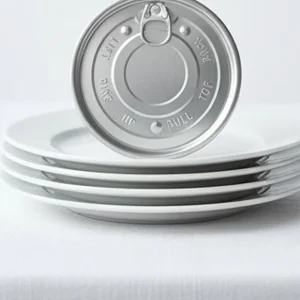
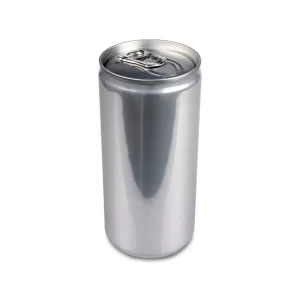
Explore our engineered line of food-grade tinplate lids, high-yield aluminum coils, and high-speed beverage cans calibrated for global filling lines.
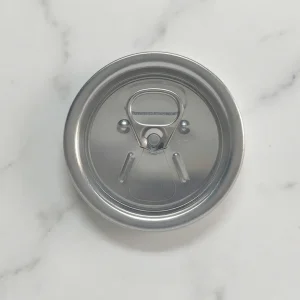
In the rapidly evolving global rigid packaging sector, enterprise procurement officers and supply chain directors are navigating unprecedented structural shifts. As regulatory mandates push industries away from single-use plastics and non-recyclable polymers, electrolytic tinplate (ETP) and high-performance aluminum packaging have emerged as the cornerstone of sustainable commercial packaging strategy. Global demand for high-quality tinplate cans across the food, beverage, chemical, aerosol, and nutritional sectors is projected to surpass $78 Billion USD in total market valuation by 2030, registering a compounding annual growth rate (CAGR) of 4.8%.
Choosing leading global tinplate cans manufacturers and suppliers requires an exhaustive evaluation of raw material traceability, structural integrity, high-speed double-seaming compatibility, and localized compliance certifications. Modern high-speed filling lines operating at speeds up to 1,200 cans per minute (CPM) leave zero margin for dimensional variance or metallurgical inconsistency. A single micro-defect in the flange or body seam can result in catastrophic line downtime, product contamination, or vacuum failure during thermal processing.
Tinplate containers provide absolute, 100% barrier protection against light, atmospheric oxygen, moisture ingress, and micro-particulate contamination, preserving shelf life up to 36+ months.
Steel and aluminum are infinitely recyclable materials without quality degradation. Steel tinplate remains the most recycled packaging material in Europe and North America.
Capable of withstanding aggressive autoclave sterilization, steam-flush retorting, and hot-filling processes exceeding 121°C (250°F) without structural distortion.
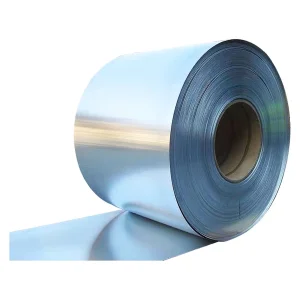
Electrolytic Tinplate (ETP) consists of a cold-rolled low-carbon steel substrate (blackplate) electroplated with microscopic layers of pure elemental tin (Sn) on both surfaces. The underlying steel core provides mechanical tensile strength, drawability, and structural column strength, while the tin coating serves dual purposes: sacrificial galvanic corrosion protection and a pristine aesthetic finish suitable for complex decorative lithography.
Engineers must specify the precise steel temper based on the container design—whether it is a 3-piece welded food can, a deep-drawn 2-piece DRD (Draw and Redraw) container, or a pressure-rated aerosol dome.
Tin coating weights are designated in grams per square meter (g/m²), ranging from E1.1/1.1 for non-corrosive dry goods up to E11.2/11.2 for aggressive food formulations. Differential tin coatings (e.g., D5.6/2.8) apply a heavier coating to the internal surface where acid contact occurs, optimizing raw material costs without compromising product stability.
Passivation treatments prevent surface oxidation during storage. Transitioning from traditional Code 311 (Dichromate Dip) to environmentally compliant, hexavalent chromium-free alternatives (such as Titanium/Zirconium conversion coatings) represents a major technical evolution in compliance with European Union REACH directives.
The internal organosol or polymer coating forms an impenetrable barrier between the packed product and the metallic substrate. Selecting the correct internal lacquer system prevents metal pickup, product discoloration, sulfur staining, and corrosion:
| Lacquer Chemistry Type | Key Performance Attributes | Target Food & Industrial Applications | Compliance Rating |
|---|---|---|---|
| BPA-NI Organosol | Exceptional deep-draw flexibility, acid resistance, high retort stability. | Tomato pastes, high-acid fruits, citrus juices, pickled goods. | FDA 21 CFR 175.300 / EU 10/2011 Compliant |
| Epoxy Phenolic | Superior chemical resistance, excellent adhesion, high thermal tolerance. | Meat products, processed seafood, sulfur-bearing vegetables (corn, beans). | Global Standard (Industrial & Non-BPA Restricted) |
| Polyester (PET Laminate) | Zero solvent emissions during application, zero pore defects, extreme corrosion barrier. | Infant formula powders, premium coffee, high-end dry beverages. | Non-BPA / Gold Standard for Food Safety |
| Vinyl / Modified Acrylic | High clarity, low odor absorption, excellent flexibility for light closures. | Dry milk powders, confectioneries, decorative tea tins. | FDA Approved Food Contact |
The production of modern 3-piece welded tinplate cans and 2-piece seamless cans requires ultra-precision mechanical engineering. High-speed body makers slit blackplate with tolerances under ±0.01mm before rolling and executing continuous high-frequency wire welding.
The critical point of failure in any metal container is the double seam—formed by overlapping and interlocking the end curl with the can body flange. Quality control protocols demand continuous teardown inspections utilizing optical video seam monitors to measure five critical dimensions:
Key parameters validated during routine seam teardowns include Body Hook Length (BHL), Cover Hook Length (CHL), Seam Thickness (ST), Countersink Depth (CSD), and Wrinkle Rating (evaluating tightness of the cover hook compression). Utilizing AI-driven non-destructive inspection systems, advanced automated plants evaluate every container for pinholes and split flanges via high-resolution optical vision and high-pressure light-leak detection.
Industrial buyers must select the optimal substrate based on filling physics, chemical acidity, stacking requirements, and cost-efficiency matrices. The table below highlights key performance indices across the primary metallic substrates:
| Performance Benchmark | Electrolytic Tinplate (ETP) | Tin-Free Steel (TFS / ECCS) | Beverage Aluminum Alloys (3104 / 5182) |
|---|---|---|---|
| Axial Column Strength | Very High (Ideal for multi-pallet stacking) | Very High (Requires structural beadings) | Moderate (Requires internal CO₂/N₂ pressure support) |
| Lacquer Adhesion | Excellent (Tin oxide provides superior anchoring) | Outstanding (Chromium oxide surface coating) | High (Requires specialized pretreatments) |
| Solderability & Weldability | Excellent (High-speed wire welding) | Cannot be welded (Requires mechanical or lap seam) | Cannot be wire welded (Seamless drawn bodies) |
| Corrosion Resistance (Unlacquered) | High (Sacrificial tin action) | Moderate (Strictly requires lacquering) | High (Self-passivating aluminum oxide layer) |
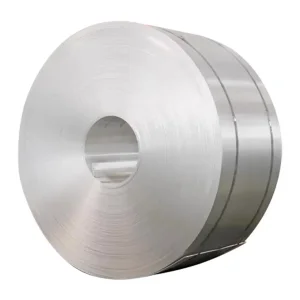
| Primary Application Spectrum | Processed foods, infant formula, aerosols, paints | Can ends, crown corks, shallow drawn food cans | Carbonated beverages, craft beer, sparkling drinks |
The global tinplate packaging industry is undergoing a technological transformation driven by carbon-neutral targets, digital factory automation, and circular economy regulations. Leading manufacturers are investing heavily in four primary technological fronts:
By leveraging double-reduced (DR) tempers and optimized wall bead geometries, engineers are reducing body steel thickness down to 0.13mm, cutting raw material mass by 12% while maintaining collapse resistance.
Eliminating hexavalent chromium (Cr6+) in compliance with global REACH rules. New Titanium-Zirconium electro-deposition methods offer clean, non-toxic surface passivation for food safety.
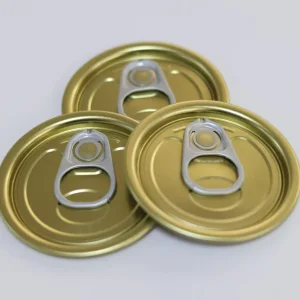
Laser engraving high-density 2D Matrix codes directly on easy-open lids and bottom domes allows real-time batch tracking, counteracting counterfeiting and enabling automated robotic recycling sorting.
Explore our full catalog of aluminum coils, specialized powder ends, and high-performance tinplate closure solutions engineered for global export.
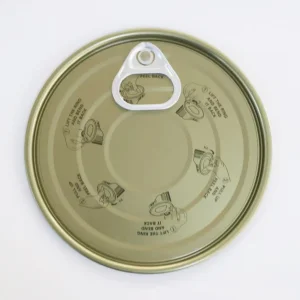


Exporting precision metal containers demands specialized packaging engineering to prevent transoceanic corrosion, humidity staining, and pallet deformation during multi-modal freight transport. As a leading manufacturer exporting to 40+ countries across Europe, North America, the Middle East, and Asia-Pacific, our logistics framework guarantees pristine factory delivery:
Direct technical answers from our Senior Packaging Engineers covering metallurgical selection, double-seam setup, internal coatings, and export logistics.
