

A comprehensive metallurgical and supply-chain whitepaper examining high-volume scrap processing, closed-loop re-smelting, and global manufacturing integration.
Tinplate (electrolytic tin-coated steel sheet, ETP) and rigid aluminum container alloys (such as 3104-H19 body stock and 5182-H48 shell stock) represent the pinnacle of industrial circular economy assets. Unlike polymers that undergo thermal degradation and chain-scission during re-processing, metallic lattice structures remain infinitely recyclable without loss of mechanical yield strength, burst pressure resistance, or barrier performance.
Primary production of virgin tinplate and aluminum is exceptionally energy-intensive, consuming roughly 14,000 kWh per ton for primary smelting. Modern secondary recycling operations bypass bauxite refining and blast furnace reduction entirely, requiring up to 95% less energy. Advanced global recovery facilities utilize hydrometallurgical de-tinning and multi-chamber pyrometallurgical re-melting to ensure optimal material circularity.
Global fast-moving consumer goods (FMCG) brand owners, pharmaceutical groups, and industrial chemical conglomerates face unprecedented regulatory pressure from the European Union’s Extended Producer Responsibility (EPR) mandates and the Carbon Border Adjustment Mechanism (CBAM). Transitioning to verified Post-Consumer Recycled (PCR) metal packaging directly aligns with Scope 3 emissions reduction targets.
Partnering with certified global recycling factories and integrated China-based container manufacturers allows multinational enterprise buyers to secure stable scrap feedstocks, lower total life-cycle carbon intensity (kg CO2e per 1,000 units), and maintain strict compliance with global food-contact safety standards including FDA 21 CFR 175.300 and EU Regulation 1935/2004.
How modern global processing plants leverage sensor fusion, X-ray fluorescence, and hydrometallurgy to produce ultra-pure recycled alloys.
Legacy scrap processing suffered from cross-contamination between ferrous tinplate cans and non-ferrous aluminum containers. Modern automated recovery facilities utilize pneumatic air-jet ejection systems paired with high-resolution multispectral cameras, magnetic over-band separators, and X-ray Fluorescence (XRF) spectroscopy.
This AI-driven sorting pipeline classifies incoming municipal and industrial scrap streams in real time at speeds exceeding 10 tons per hour, guaranteeing alloy purity down to fractional parts per million (PPM) prior to remelting.
Tinplate scrap features a ultra-thin protective layer of elemental tin electrolytically deposited over low-carbon steel strip substrate. To convert post-industrial steel scrap into high-purity steel melt, specialized de-tinning factories employ hot caustic soda (NaOH) bath leaching combined with electrolytic oxidation.
The dissolved tin is recovered electrolytically on cathode plates as 99.99% pure metallic tin ingots, while the remaining clean steel scrap is compacted into high-density briquettes for immediate re-charging into electric arc furnaces (EAF).
Used Beverage Cans (UBC) carry organic lacquers, side-stripe coatings, and decorative printing inks. Advanced recycling plants pass shredded UBC fragments through rotary thermal decoating kilns operating at precise pyrolytic temperatures (480°C to 540°C).
This process volatilizes organic resins without burning underlying aluminum metal. The decoated metal is fed into side-well submerged combustion furnaces with electromagnetic pumps, achieving melt recovery efficiency yields greater than 98.5%.
Post-consumer and industrial scrap collected and baled into high-density cubes.
Shredding to uniform fragments followed by high-speed spectroscopic alloy sorting.
Thermal strip of interior coatings or chemical extraction of pure tin layer.
Induction remelting into primary rolling ingots or continuous coil strip.
High-speed pressing into food-grade easy-open ends, cans, and coil products.
Integrating large-scale metallurgical rolling mills, automated high-speed pressing, and port-adjacent logistics for global industrial buyers.
China’s metal packaging manufacturing cluster represents an unprecedented level of supply chain concentration. From raw ingot smelting, continuous hot-rolling mills (3104, 5182, 5052, and 8011 series alloys), and coil lacquer coating lines to high-speed die presses (Minster/Stolle operating up to 3,000 strokes per minute), every production node is tightly synchronized.
This vertical integration eliminates international freight friction for intermediate materials, drastically compresses production lead times, and allows factory-direct customization of gauge thickness, shell profile, and internal organic coating chemistries.
Leading Chinese packaging factories operate under strict ISO 9001, ISO 14001, and FSSC 22000 food safety certifications. Online non-destructive quality testing equipment includes high-speed laser pinhole detectors, automatic optical inspection (AOI) cameras for seam curl integrity, and high-precision enamel raters.
Every master coil and converted lot of easy-open ends or drawn can bodies is linked to a traceable mill certificate, documenting precise chemical composition (Si, Fe, Cu, Mn, Mg, Cr, Zn, Ti), mechanical yield tensile limits, and lacquer coat-weight per square meter.
| Alloy Grade | Dominant Application | Standard Temper | Key Mechanical & Physical Properties | Recycled Content Compatibility |
|---|---|---|---|---|
| 3104 Alloy | DWI Can Body Shells (250ml, 330ml, 355ml, 500ml) | H19 (Extra Hard) | High earing ratio control, tensile strength > 290 MPa, ultra-thin wall drawing capability down to 0.08mm. | High (Seamless incorporation of shredded decoated UBC scrap). |
| 5182 Alloy | Easy-Open Ends, SOT/RPT Shells (200#, 202#, 206#) | H48 / H19 | Exceptional buckle strength pressure tolerance (> 6.2 bar), high rivet formation ductility without cracking. | Optimized for closed-loop end scrap segregation and re-melting. |
| 5052 Alloy | Pull-Tabs, Industrial Closure Lids, Chemical Cans | H32 / H34 | Superior corrosion resistance against aggressive chemical formulations and organic acids. | Standard scrap loop integration into secondary aluminum smelters. |
| 8011 Alloy | Lacquered Foil Lids, Powder Can Seals, Pharma Closures | O (Soft) / H14 | Ultra-low pinhole density, superior heat-sealing polymer bonding, gas and moisture zero-permeability. | 100% recyclable via specialized foil de-lamination streams. |
| Electrolytic Tinplate (ETP) | Food Cans, Milk Powder Lids, Aerosol Cans (211#, 307#, 401#) | T2 - T4 / DR8 | High structural column strength under retort vacuum, surface passivation against sulfur staining. | Magnetic separation + chemical hydrometallurgical de-tinning loop. |
Navigating international food-contact safety regulations, barrier lacquers, and international freight protection standards.
Direct food and beverage contact mandates zero migration of harmful monomers or heavy metals. Modern suppliers provide comprehensive compliance dossiers matching FDA 21 CFR 175.300, EU Regulation 1935/2004, and China’s GB 4806.10 standard.
Independent laboratory reports (SGS, Intertek) verify overall migration, specific migration limits (SML), and heavy metal (Pb, Cd, Hg, Cr VI) compliance before shipment release.
With stringent global bans on Bisphenol-A (BPA) in food packaging, packaging engineers have transitioned to BPA-Non-Intent (BPA-NI) coating systems based on acrylic, polyester, or modified vinyl resins.
Internal lacquers are tailored to product aggressiveness: organosols for acidic tomato pastes, high-retort epoxies for pet foods subjected to 121°C sterilization, and specialized water-based coatings for soft drinks with high dissolved CO₂ content.
Industrial export packaging must withstand long-haul maritime transport, humidity fluctuations, and multi-tier stacking inside ocean containers. Cans travel on wooden or plastic bulk pallets with top frames, kraft paper slip sheets, and heat-shrink hood wrapping.
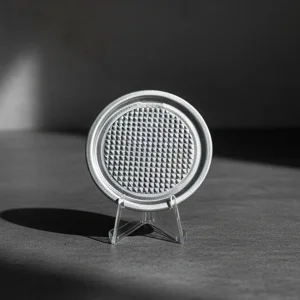
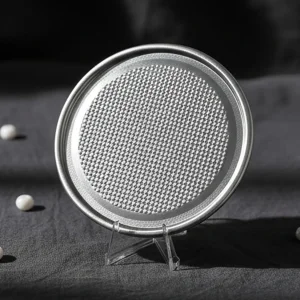
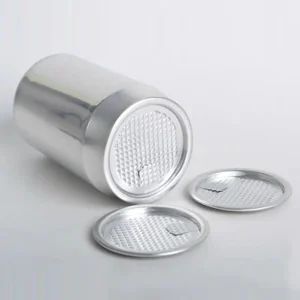
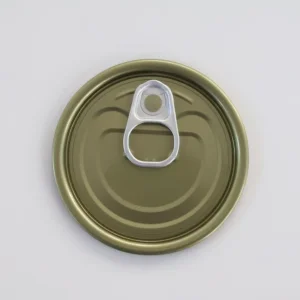
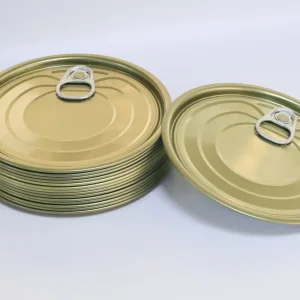
Easy-open ends are packed in moisture-proof polyethylene paper sleeves within heavy-duty corrugated cartons or fiber drums containing industrial desiccant bags to eliminate oxidation and rim denting.
Ensure your vendor supply agreement contains these crucial documentation deliverables before issuing Purchase Orders:
Deploying precision tin and aluminum container solutions across diverse regional markets and product demands.
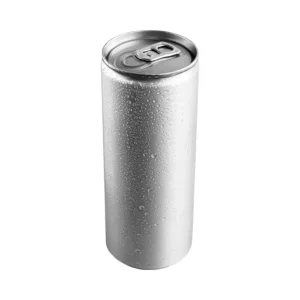
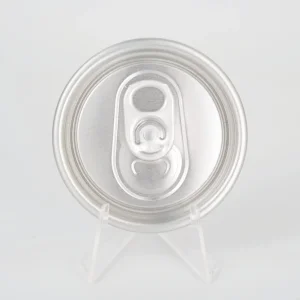
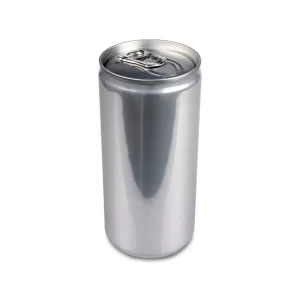
In North American and European craft brewery and CSD plants running fillers at 60,000+ cans per hour, dimension consistency is paramount. Standard 330ml, 355ml (12oz), and 500ml 3104-H19 aluminum cans combined with 202# SOT (Stay-On Tab) easy-open ends require micro-millimeter tolerance in neck diameter, flange width, and countersink depth.
Precision manufacturing prevents seamer jams, reduces double-seam leaks, and guarantees dome pressure resistance exceeding 6.2 bar during tunnel pasteurization.
In Asia-Pacific and Middle Eastern markets, dairy and nutritional powder packaging requires extreme gas-tight sealing to prevent oxidation of delicate fats and nutrients. Packaging formats utilize 300#, 307#, 401#, and 502# large-diameter aluminum easy-open ends combined with nitrogen-flush hermetic seamers.
Anti-static foil lacquers and scoop-rest ring geometries ensure zero powder particle interference during high-speed vacuum sealing.
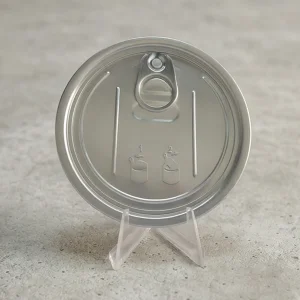
For canned seafood, meat products, and vegetables, container systems undergo severe thermal processing (retorting at 121°C for up to 90 minutes). Utilizing 211#, 307#, and 401# food-grade tinplate lids with high-bead structural wall designs prevents vacuum panelling and body deformation during thermal cooling cycles.
Advanced inner organosol lacquers shield the metal substrate from acid erosion caused by tomatoes, brine, or oily sauces.
Heavy-duty chemical packaging requires high chemical inertness and mechanical strength. Cold-rolled tinplate cans and heavy-gauge 5052 aluminum coils are stamped into chemical closures, aerosol domes, and bottom ends capable of withstanding internal hydraulic pressure buildup.
Double-pass gold lacquers guarantee zero pinhole corrosion even when exposed to harsh aromatic solvents, lubricants, and coatings.
Key technological and regulatory vectors transforming global metal recycling and packaging over the next decade.
Metallurgical refinements in 3104-H19 alloy yield strengths have allowed container engineers to reduce can body mid-wall gauge thickness from 0.110mm down to less than 0.082mm without compromising axial column crush load resistance (> 1.0 kN).
Every 0.005mm gauge reduction eliminates thousands of metric tons of raw metal consumption annually, driving down freight costs and embedded carbon footprints globally.
In response to European Union digital circularity mandates, primary metal packages are increasingly laser-etched with high-density matrix codes or unique QR identifiers directly on the tab or can bottom.
These digital passports allow consumers and recycling facilities to instantly verify the percentage of post-consumer recycled (PCR) content, chemical coating safety profile, and alloy origin via decentralized ledger systems.
Leading global aluminum and steel mills supplying China's package converting sector are actively shifting from natural gas rotary furnaces to green hydrogen-powered smelting and solar-driven electrolytic refining.
This energy transition targets a zero-carbon metal substrate by 2035, positioning tinplate and aluminum as the premier net-zero packaging medium for sustainable global commerce.
Detailed answers to critical engineering, regulatory compliance, and procurement queries regarding global metal recycling and packaging services.
Advanced recovery facilities employ a multi-stage purification protocol. High-speed optical sorters and X-ray Fluorescence (XRF) spectroscopy separate scrap by alloy family (e.g., separating 3000-series body stock from 5000-series end stock). Scrap is then thermally decoated to eliminate organic residues before entering submerged-combustion induction furnaces. Fluxing gases (argon/chlorine mixtures) and ceramic foam filtration remove dissolved hydrogen, non-metallic inclusions, and alkali trace elements, ensuring the recycled ingot meets primary metallurgical purity specifications.
For standard unprinted or plain aluminum easy-open ends (such as 200#, 202#, 307#, 401#), trial order quantities typically start at 200,000 pieces with stock items shipping within 10 to 15 working days. Custom printed beverage cans or specialized lacquered tinplate lids with bespoke artwork require specialized printing plate preparation and lacquer setup; minimum production runs generally start at 100,000 to 300,000 units per design, with ocean shipment dispatch within 20 to 30 days following artwork sign-off.
Yes. All internal coatings, including BPA-Non-Intent (BPA-NI) acrylics, polyesters, and organosol linings, undergo rigorous migration testing per FDA 21 CFR 175.300, EU Regulation 1935/2004, and China National Food Safety Standard GB 4806.10. Each shipment is accompanied by an official Food Contact Declaration Certificate, heavy metal test reports, and batch-specific Material Safety Data Sheets (MSDS) verified by third-party laboratories.
Aluminum cans are loaded on heavy-duty, heat-treated wooden or plastic bulk pallets with rigid top frames, kraft paper inter-layer slip sheets, and full stretch-hood shrink wrapping. Easy-open ends and tinplate lids are wrapped in protective polyethylene sleeves inside heavy-duty corrugated cartons or moisture-resistant fiber drums containing industrial silica gel desiccants. Pallet loads are strapped with high-tensile PET banding to prevent shifting inside shipping containers during transoceanic transit.
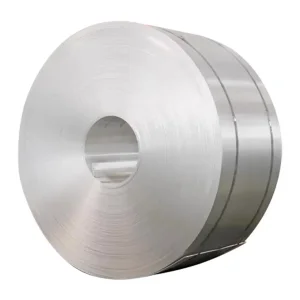
Absolutly. Chinese manufacturing hubs supply continuous slit aluminum coil in alloys 3104, 5182, 5052, and 8011 in tempers H19, H48, and H34. Coils can be delivered pre-lacquered, pre-lubricated (DOS or wax oil), and slit to exact buyer widths (ranging from 20mm to 1500mm) with inside coil core diameters of 150mm, 405mm, or 508mm. Complete metallurgical mill test certificates detailing chemical composition and mechanical properties are supplied with every coil lot.
Before commencing full-scale mass production, our engineering group requests your seamer machine specifications (e.g., Angelus, Ferrum, FMC, Ferrum model numbers) along with target countersink and curl parameters. CAD technical drawings are provided for mutual engineering approval. We then dispatch sample test lots (typically 1,000 to 5,000 ends) for your plant technical team to conduct trial double-seam teardown checks, seam thickness evaluations, and overlap measurements on your line.