Engineered for food safety, zero-leakage hermetic performance, high-speed automated seamers, and enhanced shelf appeal across global distribution networks.

The global metal packaging market—spanning large decorative popcorn tins, food-grade tinplate containers, precision drawn aluminum beverage cans, and specialized easy-open ends—is undergoing a paradigm shift driven by stringent food safety regulations, environmental imperatives, and consumer demand for premium visual appeal. As brand owners transition away from single-use plastics, tinplate and aluminum packaging have emerged as the definitive benchmark for circular packaging economies.
Large popcorn tins (ranging from 1-gallon to 3.5-gallon standard capacities up to custom industrial sizes) represent a vital segment of seasonal retail, commercial entertainment concessions, and corporate gifting networks globally. The modern industrial popcorn tin is no longer merely a container; it is an engineered barrier vessel designed to lock out humidity, prevent lipid oxidation (rancidity) in oil-cooked snacks, and deliver high-definition brand storytelling through advanced metal lithography.
Procurement directors at multinational snack brands, wholesale distributors, movie theater chains, and private-label retail networks face complex logistical and operational metrics when selecting a leading metal packaging supplier. Evaluating a factory's technical capability requires auditing raw material specs, structural tolerances, tooling customization, and regulatory compliance.
| Packaging Metric | Standard Commercial Grade | Export / Premium Enterprise Grade | Testing / Compliance Benchmark |
|---|---|---|---|
| Steel / Alloy Temper | T2.5 / T3 Hardness | TH520 / 3104-H19 / 5182-H48 | ASTM A623 / EN 10202 Tensile Testing |
| Tin Coating Weight | 1.1 / 1.1 g/m² | 2.8 / 2.8 g/m² or 5.6 / 5.6 g/m² | ISO 11949 Electrolytic Tinplate Standard |
| Internal Coating System | Standard Epoxy Ester | BPA-NI (Bisphenol A Non-Intent) Organosol | FDA 21 CFR 175.300 / EU Regulation 1935/2004 |
| Seam & Curl Tolerance | ±0.20 mm | ±0.05 mm Precision Optical Gauge | Double Seam Teardown & Optical Micro-Section |
| Hermetic Air-Tightness | Basic Mechanical Fit | Integrated PVC/TPE Compound Gasket | Bubble Leak Test & Pressure Drop Analysis |
Experienced global buyers calculate TCO by accounting for freight nesting ratios (tapered tin designs that fit into one another during transit reduce shipping volume by up to 65%), scrap rates on automated filling lines, and zero-defect seaming reliability. A low-cost tin with irregular curl radii can cause seamer jamming, resulting in thousands of dollars in line downtime.
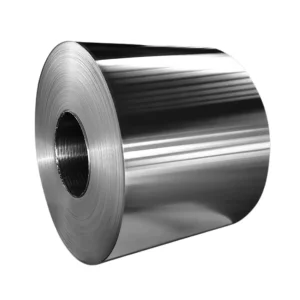
China's metal packaging ecosystem has evolved into a global center of excellence. Factories like Shanghai Friend Metals Technology Co., Ltd. (operating since 2010) integrate deep raw material integration—from master coil slitting of 3104, 5182, 5052, and 8011 aluminum alloys to high-speed 3-piece tinplate container forming—delivering unprecedented capacity, cost efficiency, and speed-to-market.
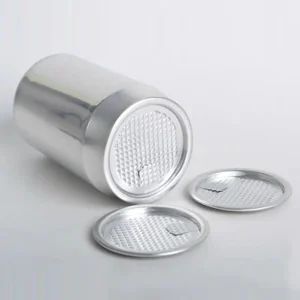
Modern Chinese factories utilize Minster and Fuji press lines capable of stamping hundreds of easy-open ends and tin lids per minute. Integrated high-speed machine vision cameras inspect 100% of finished ends for pinhole defects, score-line micro-cracks, tab alignment, and gasket compound distribution. Sub-standard parts are ejected automatically without interrupting production.
Internal corrosion resistance is paramount when packaging salted, buttered, or acidic flavored popcorn, as well as infant powders and beverages. State-of-the-art coater lines apply uniform enamel film weights (golden organosol, clear modified polyester, or aluminum-pigmented coatings) tested rigorously via Enamel Rater devices to guarantee micro-amp current readings of zero leakage.
Located near the world's largest container shipping hub in Shanghai, China's leading packaging manufacturers provide robust ocean logistics packages. Container loading is optimized via CAD packaging software to ensure pallets are locked, stretch-hood wrapped, and moisture-controlled with industrial desiccants to withstand transatlantic and transpacific transit.
Precision metal containers and lids serve highly varied commercial ecosystems. Engineering specifications must be tailored to the physical demands of each end-use environment.
Large decorative popcorn tins dominate Q4 holiday retail sales (Halloween, Thanksgiving, Christmas). Options include 3-way divider inserts (separating caramel, cheese, and butter popcorn), 3D embossed lids, and gold-metallic bases that serve as collectible household keepsake tins.
High-volume movie theater chains require durable, stackable metal pails and tins with rolled beads for safety. Metal containers offer superior grease resistance compared to paper buckets, avoiding oil seepage onto customer apparel during screenings.
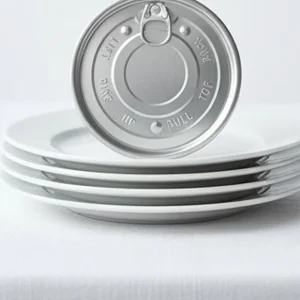
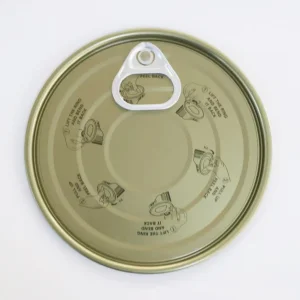
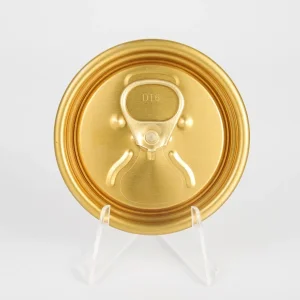
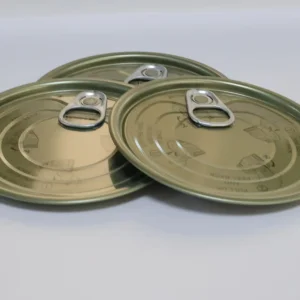
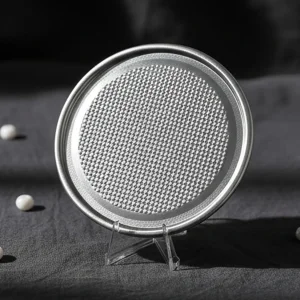
For infant formula and protein powders, 401# and 502# easy-open ends with nitrogen-flush capabilities prevent lipid oxidation and nutrient degradation. Non-magnetic aluminum construction ensures compatibility with metal detector check-weighers.
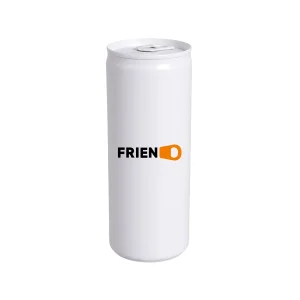
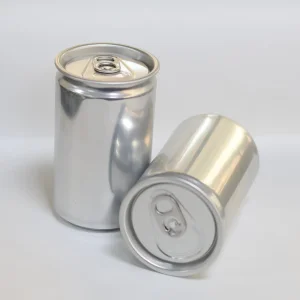
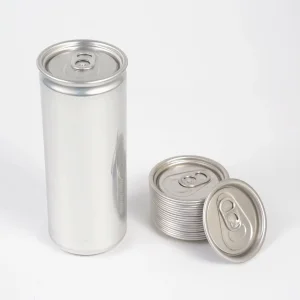
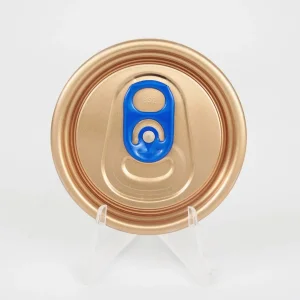
DWI 330ml and 355ml aluminum cans with 202 SOT (Stay-On-Tab) or RPT (Ring Pull Tab) ends are engineered to withstand internal pressures up to 6.2 bar during pasteurization, securing carbonation stability for craft beers and cider.
Comprehensive product portfolio retaining original supply lines for worldwide export clearance and industrial seam matching.
Verified responses provided by senior packaging engineers covering raw material selection, MOQ, food safety certifications, and seaming line integration.