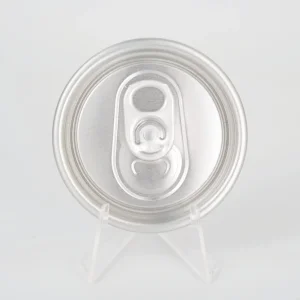
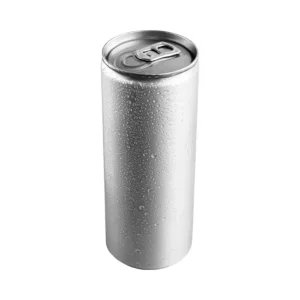
Certified to FDA 21 CFR 175.300 and EU 1935/2004 standards. Fully traceable metallurgical lots with double-seam verification.
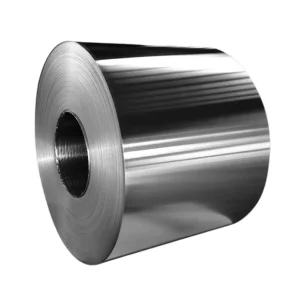

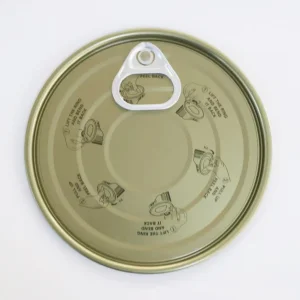
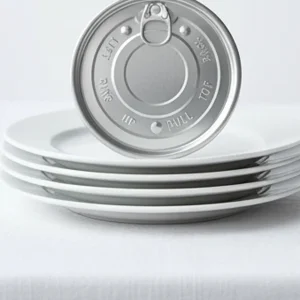

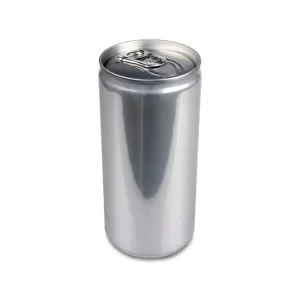

Accelerating decarbonization, circular economy mandates, and advanced metallurgical performance across international supply networks.
The contemporary global industrial sector operates in an era defined by aggressive decarbonization mandates, resource optimization, and rapid transitions toward infinitely recyclable materials. In this transformative landscape, high-quality durable aluminum foil and rigid alloy packaging have consolidated their status as critical industrial infrastructure. Valued for their complete barrier protection against ultraviolet radiation, oxygen ingress, moisture permeability, and microbial contamination, aluminum solutions are replacing multi-layer plastics, composite laminates, and heavier glass alternatives across global food, beverage, pharmaceutical, and specialty chemical applications.
From an engineering perspective, modern production moves beyond simple rolled aluminum sheets. Today's commercial requirements demand high-tensile, low-gauge formulations that withstand extreme internal pressures (in carbonated beverages), deep-draw cold forming (in specialized industrial foil trays), and hermetic thermal sealing (in retort sterilization autoclaves). International procurement officers now prioritize metallurgical uniformity, minimal pinhole occurrences, and strictly controlled surface tension to ensure flawless coating compatibility and maximum filling line uptime.
Aluminum foil substrates deliver an absolute zero Water Vapor Transmission Rate (WVTR) and Oxygen Transmission Rate (OTR), preventing oxidation and extending product stability under variable climatic warehousing.
Through micro-alloying with magnesium and manganese (series 3xxx and 5xxx), materials achieve high buckle resistance and burst pressures up to 6.2 bar while minimizing tare weight in global freight logistics.
Complies with EU Packaging and Packaging Waste Directives (PPWR) and US sustainability frameworks, closing the recycling loop with minimal energy expenditure compared to virgin aluminum ore extraction.
High-speed precision stamping, advanced continuous casting, and seamless port connectivity in Shanghai deliver reliable scale.
The manufacturing infrastructure of China's primary metal processing clusters provides an integrated supply ecosystem that balances metallurgical quality, manufacturing flexibility, and cost structures. At Shanghai Friend Metals Technology Co., Ltd. (established in 2010), industrial capabilities combine state-of-the-art continuous rolling mills, automated high-speed conversion presses, and computerized optical surface defect inspection lines.
This operational footprint provides critical competitive advantages to overseas buyers:
From alloy billet casting and cold-rolling to coil slitting, high-speed conversion, and lacquer curing, fully integrated upstream lines eliminate intermediary markup, reduce lead times, and guarantee traceability.
Operating near the Port of Shanghai—the world’s busiest container terminal—minimizes inland transport legs, simplifies multi-modal ocean bookings, and enables dependable container consolidations to major international ports.
Fast-turnaround tooling modification supports varied rim curl profiles, score depths, and tab configurations. Production lines pivot smoothly between standard runs and specialized OEM orders without extended tooling lead times.
Standardized metallurgical benchmarks for high-speed filling lines and barrier applications.
| Alloy & Temper | Primary Alloying Elements | Tensile Strength (MPa) | Elongation (%) | Optimal Industrial Application | Compliance Standards |
|---|---|---|---|---|---|
| 3104-H19 | Mn (1.0–1.5%), Mg (0.8–1.3%) | 275 – 315 | ≥ 3.5% | DWI Beverage Can Bodies (Standard/Sleek/Slim) | ASTM B209, EN 541, GB/T 3880 |
| 5182-H48 | Mg (4.0–5.0%), Mn (0.2–0.5%) | 360 – 410 | ≥ 5.5% | Easy-Open Shell Stock, 202 SOT / 200 RPT Ends | FDA 21 CFR 175.300, EU 1935/2004 |
| 5052-H32 / H34 | Mg (2.2–2.8%), Cr (0.15–0.35%) | 215 – 265 | ≥ 10% | Pull-Tab Stock, Industrial Foils, Powder Closures | RoHS, REACH, ISO 9001:2015 |
| 8011-H14 / H16 | Fe (0.6–1.0%), Si (0.5–0.9%) | 145 – 195 | ≥ 12% | Deep-drawn Food Lids, Foil Membranes, Pharma Seals | EP/USP Food & Pharma Grade |
Engineered barrier coatings and metal properties built to resolve specific processing challenges.
Tailored for high carbonation levels up to 4.2 gas volumes. Our 202# SOT lids and DWI aluminum can bodies use epoxy or BPA-NI internal spray systems that preserve nuanced flavor notes while resisting acidic corrosion.
Critical nitrogen-flush processes require ultra-low residual oxygen environments. Our 401# and 502# peel-off foil membranes and transparent-top ends protect sensitive lipids from oxidative rancidity over 36-month shelf lives.
8011 temper foils are engineered with uniform lacquering for tear-free crimping, compatibility with cleanroom automation, and clean puncture behavior in diagnostic and parenteral vial closures.
Tracking the transformation of industrial metal packaging through lightweighting, advanced coatings, and digital intelligence.
Finite element analysis (FEA) guides can wall optimization down to 0.095mm without sacrificing axial crush strength, decreasing transport emissions and raw material intensity across broad global logistics chains.
Evolving global regulations are accelerating the switch from epoxy phenolics to advanced acrylic and polyester internal linings, ensuring compliant chemical safety across high-acid, high-sulfur contents.
Automated inline machine-vision systems operate at line speeds exceeding 2,500 cans per minute, instantly flagging micro-fractures, flange variations, and score-line anomalies before batch release.
Standard operational protocols for qualifying manufacturing suppliers and avoiding filling downtime.
Procuring durable aluminum coils, easy-open ends, and can bodies on an international scale involves operational considerations that extend beyond base pricing. High-speed commercial filling lines run at speeds between 600 and 2,400 units per minute; even subtle variations in flange angles, curling geometry, or lacquer thickness can cause seamer jams, damaged tooling, or micro-leaks that risk costly batch recalls.
To mitigate technical and logistical risks, enterprise sourcing teams rely on structured validation protocols:
Prior to mass dispatch, supplier engineers cross-reference seamer chuck models (e.g., Ferrum, Angelus) to confirm chuck lip radii, countersink depths, and curling profiles, followed by double-seam teardown tests on site.
Aluminum is susceptible to water staining and oxidation if condensation forms during ocean transit. Pallets are secured with heat-sealed PE sleeves, desiccants, top wooden protection frames, and high-tension stretch hooding.
Shipments include complete documentation packages: Mill Test Certificates (MTCs), FDA/EU compliance records, specific migration laboratory reports, batch QA teardown data, and photographic records of container loading and seals.
Direct answers to common questions on metallurgy, order parameters, line compatibility, and shipping protocols.
Can bodies are drawn from 3104-H19 aluminum, easy-open ends from 5182-H48 shell stock, and tabs from 5052 alloys. Lacquered coil stock for closures is supplied in 8011 and 3104 tempers. Every coil arrives with an authorized mill certificate detailing chemistry, temper, thickness tolerances, and surface class, traceable to the finished goods batch.
Standard bright or unprinted can bodies start at one 20-foot container. Custom-decorated cans typically require a minimum of 100,000 pieces per design due to specialized printing plate and oven setup requirements. In-stock easy-open ends (sizes 200#, 202#, 206#, 209#, 211#, 300#, 307#, 401#, and 502#) can be dispatched for pilot runs from 200,000 pieces within 15 working days.
Internal coatings utilize modern BPA-NI systems fully certified under FDA 21 CFR 175.300, EU Regulation 1935/2004, and China GB 4806.10 standards. Shipments include comprehensive third-party overall and specific migration testing reports, non-heavy-metal declarations, and REACH/RoHS certificates.
Can bodies travel on export pallets with solid timber top frames, high-strength kraft slip separators, and heavy-duty shrink-hood film. Lids and ends are nested in moisture-resistant polyethylene sleeves within corrugated outers or fiber drums containing targeted desiccant packs. Pre-departure photos and verified seal numbers accompany all export manifests.
Yes. By reviewing your seamer model, current chuck dimensions, and filling parameters, our packaging engineers verify curl radii, countersink depths, and body flange geometry. Pre-production sample lots are provided for full destructive teardown tests (evaluating seam tightness, overlap percentage, and cover hook rating) to guarantee seaming integrity prior to volume shipments.
High-speed SOT, RPT, and specialty barrier ends engineered for canning and dry-powder operations.