Global Leading Canned Food Packaging Supplier & Engineering Innovator

Next-Generation Precision Metal Packaging, Ultra-Thin Aluminum Alloy Coils, High-Performance Easy-Open Lids (EOE), and Retort-Safe Food Container Solutions for Industry Leaders Worldwide.

Featured Precision Packaging Products (1–8)

High-barrier aluminum easy-open ends, sanitary tinplate lids, and premium beverage containers compliant with international FDA, EU, and ISO standards.
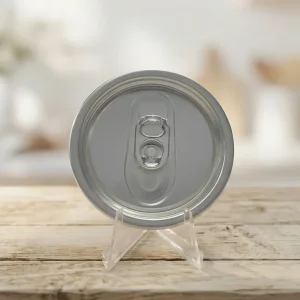
300# Aluminum Easy-Open Lids for Powders
Wholesale Premium 300# Aluminum Easy-Open Lids for Powders - China Suppliers & Factory Quality Packaging Solutions Service, Suppliers
View Product Details
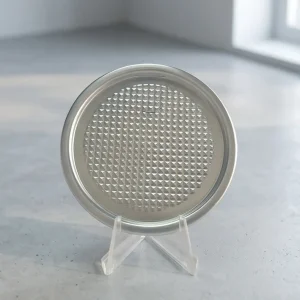
202# SOT Aluminum Lids
China Durable 202#SOT Aluminum Lids for Jars and Containers - Pack Service, Suppliers
View Product Details
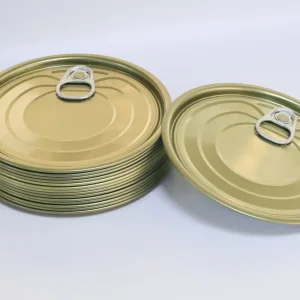
307# Aluminum Easy-Open Lids
High-Quality Low-Profile 307# Aluminum Easy-Open Lids – For Space-Saving Packaging Product, Suppliers
View Product Details
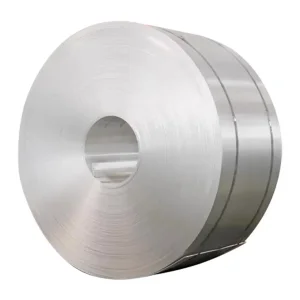
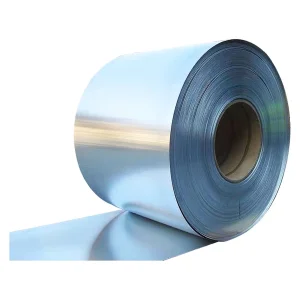
3104 Aluminum Coils
China Premium 3104# Aluminum Coils from China Suppliers: High-Quality Products from Our Advanced Factory Service, Supplier
View Product Details
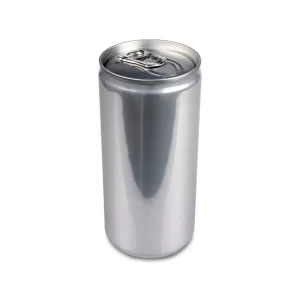
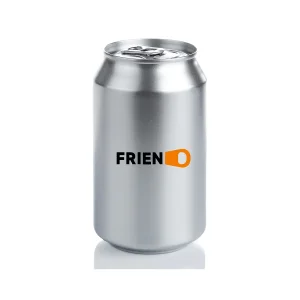
Sleek 250ml Aluminum Cans
China Superior Sleek 250ml Aluminum Cans: Eco-Friendly, Safe & Efficient Packaging Products, Product
View Product Details
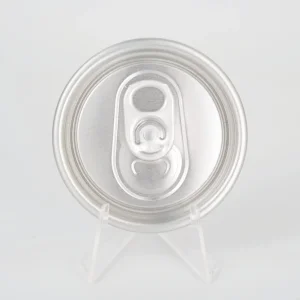
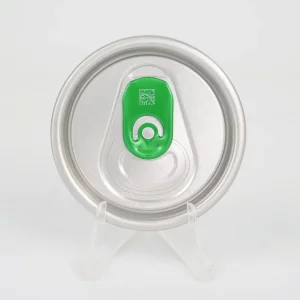
Easy-Open Lids for Liquids
Wholesale China Suppliers Factory Aluminum Easy-Open Lids for Beer, Juice, and Liquids - Durable & Stylish Packaging Solution Service, Supplier
View Product Details
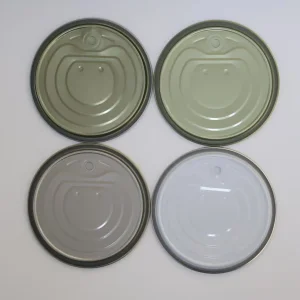
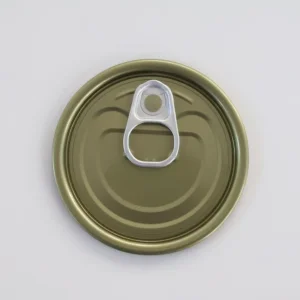
307# Tinplate Lids
China China Elite Food-Grade 307# Tinplate Lids - Safe Airtight Protection | Trusted Suppliers & Factory Products, Product
View Product Details
200# SOT Aluminum Lids
High-Quality High-Quality 200#SOT Aluminum Easy-Open Lids Product, Suppliers
View Product Details
99.98%
Hermetic Seam Reliability Rate
121°C–131°C
Retort Thermal Resistance Range
>85%
Post-Consumer Recycled Content
45+
Global Export Markets Served

1. The Global Commercial & Industrial Status of Canned Food Packaging

The global food and beverage metal packaging industry is experiencing a massive paradigm shift. Valued at over USD 105 Billion, metal packaging—specifically engineered aluminum cans, tinplate containers, and high-precision Easy-Open Ends (EOE)—remains the undisputed benchmark for food security, shelf-life extension, and supply chain resilience. As global retail channels expand across diverse climatic zones, food manufacturers, industrial canners, and FMCG conglomerates face mounting pressure to deliver shelf-stable products without relying on artificial preservatives or energy-intensive cold-chain logistics.

Contemporary industrial packaging demands a zero-defect mandate. Metal containers operate as non-permeable physical barriers that offer 100% protection against ultraviolet light, atmospheric oxygen ingress, moisture absorption, and microbial contamination. From processing plant to consumer pantry, advanced canned food packaging ensures that sensory qualities, nutritional integrity, and volatile aromatic compounds are completely preserved over extended shelf lives spanning 24 to 36 months.

Strategic Industry Value: Metal packaging is uniquely position-suited for automated filling lines operating at speeds up to 3,000 units per minute (UPM). Its structural integrity under axial compressive loading allows for optimized warehouse stacking density and minimizes transit damages during transoceanic shipping.

Global Logistics Optimization

Maximizing cube utilization in freight containers. Aluminum and thin-gauge tinplate drastically reduce tare weight compared to glass, reducing ocean freight carbon intensity per ton-kilometer.

Thermal Transfer Efficiency

Exceptional thermal conductivity enables rapid thermal sterilization (retort autoclaving) during processing, followed by rapid cooling, maintaining texture and nutrient retention.

Complete Barrier Integrity

Zero gas transmission rate (O2, CO2, H2O vapor) eliminates oxidative rancidity in lipid-rich foods, canned seafood, meat products, and dry powdered infant nutrition.

2. Macro Trends: Sustainability, Coatings & Metallurgy Innovation

The global regulatory framework surrounding food contact materials is undergoing rapid transformation. Suppliers must align with stringent compliance protocols while delivering continuous technological innovation. Three core drivers define the current industry evolution:

A. BPA-NI (Non-Intent) & Next-Generation Internal Coating Systems

Legacy epoxy coatings manufactured with Bisphenol A (BPA) have been phased out across major international jurisdictions, including European Union regulations (EU 10/2011) and US FDA requirements (21 CFR 175.300). Modern global suppliers utilize advanced BPA-NI polymer coatings, such as modified polyester, acrylic, and high-performance polyolefin coatings. These food-grade barrier lacquers prevent chemical interactions between acidic food matrices (such as canned tomatoes with pH < 4.2) and the metal substrate, preventing corrosion, iron dissolution, and taste degradation.

B. Circular Economy & Infinite Recyclability

Aluminum and tinplate represent the primary true "closed-loop" packaging mediums. Unlike polymers that undergo mechanical downcycling and structural degradation during thermal reprocessing, aluminum can be infinitely melted down and remanufactured without loss of metallurgical purity. Recycling secondary aluminum consumes 95% less energy than smelting primary bauxite ore, drastically mitigating Scope 3 corporate carbon footprints.

C. High-Strength Ultra-Thin Gauge Down-Gauging

Through sophisticated cold-rolling techniques and advanced alloy formulations—such as 3104-H19 for drawn can bodies and 5182-H48 for easy-open shell stock—metallurgists have achieved up to 18% weight reductions over the past decade. Reduced thickness is paired with optimized ribbed side-wall beadings and geometric dome structures to maintain column buckle strength and internal pressure resistance up to 6.2 bar.

3. Comprehensive Technical Engineering & Metallurgical Specifications

Selecting the correct packaging configuration requires precise alignment between the chemical composition of the food matrix, processing conditions, and the mechanical parameters of high-speed seaming equipment. Below is a structured engineering reference guide for global procurement teams and packaging specialists:

Packaging Component Alloy / Steel Grade Temper / Hardness Thickness Range Coating / Lacquer Options Primary Target Application
300# / 307# / 401# EOE Aluminum 5182 / 5052 H48 / H19 Ultra-Hard 0.21 mm – 0.28 mm BPA-NI Organosol / Gold Poly-Epoxy Process Foods, Powder Cans, Pet Foods
200# / 202# SOT Lids Aluminum 5182 H48 High-Yield 0.20 mm – 0.23 mm Water-based Acrylic / Mod-Polyester Beverages, Carbonated Soft Drinks, Beer
307# / 401# Tinplate End ETP (Electrolytic Tinplate) T2.5 – T4 / DR8 0.17 mm – 0.24 mm Aluminized / Organosol / White Enamel Retort Vegetables, Meats, Acid Foods
3104 Aluminum Coil Al-Mn-Mg Alloy 3104 H19 Extra Hard 0.24 mm – 0.30 mm Lacquered / Plain Mill Finish Deep Drawn Can Bodies (DWI Process)
8011 Foil/Coil Stock Al-Fe-Si Alloy 8011 O / H18 / H22 0.15 mm – 0.25 mm Heat-Sealable Epoxy / PE Lacquer Peelable Membrane Ends, Powder Container Seals

Double Seam Mechanics & Quality Metrics

Achieving a reliable hermetic seal requires rigorous control over double seam parameters during high-speed seaming. Parameters such as countersink depth, seam length, seam thickness, body hook, cover hook, and percentage overlap (target > 80%) must be maintained within precise manufacturing tolerances. Industrial suppliers provide technical support for seam teardown analysis and seamer chuck and roll tooling optimization.

4. Localized Application Scenarios & System Solutions

Global food distribution demands tailored packaging formulations adapted to environmental conditions, storage durations, and regional consumer preferences. Below are key macro industry scenarios where engineered metal packaging yields maximum operational efficacy:

A. High-Temperature Retort Processing

Applied in canned tuna, ready-to-eat meals, and pet foods requiring thermal sterilization at 121°C to 131°C under over-pressure autoclaving. The end shells feature specifically contoured expansion rings (anti-peel beads) that absorb internal vapor pressure surges during heating without permanent dome distortion or micro-channel seam leaks.

B. Infant Nutrition & Dry Powder Nitrogen Packaging

Infant formula, protein powders, and specialty coffee beans require residual oxygen levels below 0.5% to prevent nutrient oxidation and flavor degradation. Powder lids (such as 300#, 401#, and 502# formats) integrate precision scorelines with easy-open ring pulls or peelable aluminum foils, paired with anti-static inner lacquers that prevent powder cling during filling.

5. Technical Roadmap & Future Outlook (2025–2035)

The next decade of canned food packaging will be defined by digital transformation, automated quality assurance, and zero-carbon metallurgical supply chains. Industry pioneers are investing heavily in several key technological pathways:

  • AI Vision Inspection Systems: Implementation of high-speed 360-degree inline machine vision cameras capable of scanning up to 3,000 can ends per minute. AI models detect surface pinholes, scoreline micro-cracks, compound placement irregularities, and coating voids with sub-micron accuracy before shipping.
  • Laser-Etched Traceability QR Codes: Etching high-density micro QR codes on the underside of pull tabs or can bases allows real-time supply chain tracking, anti-counterfeiting verification, and interactive direct-to-consumer digital engagement.
  • Zero-Carbon Aluminum Smelting: Strategic adoption of inert-anode smelting technologies powered by renewable hydro-electric and solar energy, effectively reducing the embedded carbon footprint of raw metal coils down to less than 2.0 kg CO2e per kg of aluminum.

Frequently Asked Technical & Procurement Questions

Expert technical insights regarding alloy selection, food contact compliance, seamer matching, and logistics integrity.

Q1: Which internal lacquers are recommended for high-acid canned food products?

For products with a pH below 4.5—such as tomato pastes, pickled vegetables, and citrus fruits—we specify high-density BPA-NI Organosol or modified polyester internal coatings applied at elevated dry coat weights (typically 8 to 12 g/m²). These lacquers withstand acid corrosion and sulfide staining while maintaining elasticity during the deep-drawing and end-scoring manufacturing processes.

Q2: How do aluminum easy-open ends perform under retort autoclaving condition?

Retort-grade aluminum easy-open ends (such as 300#, 307#, and 401# formats) feature specially designed scoreline depths and structural expansion rings. These rings flex during high-temperature steam sterilization (121°C–131°C), accommodating internal pressure spikes without rupturing the scoreline. Following cooling, the dome returns to its flat profile, preserving hermetic seam integrity.

Q3: What documentation is provided for regulatory compliance during international customs clearance?

Every production lot is shipped with comprehensive compliance certification, including Material Mill Test Certificates (MTC) detailing chemical composition and mechanical temper, FDA 21 CFR 175.300 and EU 10/2011 Overall Migration Test Reports, Heavy Metal Analysis (RoHS/REACH), and Certificates of Analysis (COA) for enamel rater porosity and double-seam dimensions.

Q4: How do you prevent transportation damage and oxidation during transoceanic ocean freight?

Easy-Open Ends are packed in heavy-duty polyethylene sleeves, vacuum-sealed with desiccant packs, and packed inside reinforced corrugated cartons or wooden crates. Can bodies are stacked on automated bulk pallets protected by top frames, kraft slip-sheets, and stretch-hood shrink wrapping, ensuring zero moisture ingress and zero physical denting during maritime transit across high-humidity tropical lanes.

Q5: Can your lid and can geometry be adapted to our existing seamer tooling?

Yes. Our engineering teams review technical drawings of your seamers (such as Angelus, Ferrum, Somme, or FMC models). We verify countersink depth, curl angle, edge radius, and flange widths to ensure seamless integration with your existing seaming chucks and rolls, minimizing setup downtime and preventing seam defects.

Complete Metal Packaging Solutions (Products 9–16)

Explore our extended portfolio of standard beverage cans, high-barrier powder packaging lids, tinplate closures, and premium aluminum coils.
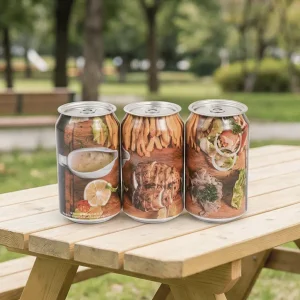
12oz Aluminum Can
Wholesale High-Quality Aluminum Can for Beverage Packaging - 12oz Service, Supplier
View Product Details
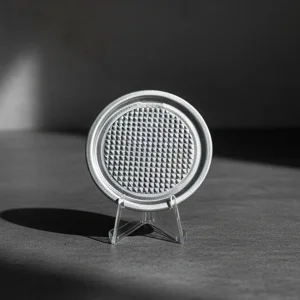
209# Aluminum Lids for Powder
China High-Quality 209# Aluminum Easy-Open Lids from China Suppliers - Ideal for Powder Product Packaging Factory Service, Products
View Product Details
211# Tinplate Lids
High-Quality Superior Food-Grade 211# Tinplate Lids from China Factory - Safe, Airtight Seal by Trusted Suppliers Products, Product
View Product Details
355ml Aluminum Cans
China Exceptional 355ml Aluminum Cans from China Suppliers: Safe, Sustainable Packaging from Our Factory Service, Suppliers
View Product Details
401# Tinplate Lids
Wholesale High-Quality Food-Grade 401# Tinplate Lids from China Suppliers & Factory - Safe Airtight Sealing for Food Packaging Products, Product
View Product Details
209# Easy-Open Lids Direct
High-Quality High-Quality 209# Aluminum Easy-Open Lids from China Suppliers - Ideal for Powder Products, Factory Direct Product, Suppliers
View Product Details
250ml Aluminum Cans Supplier
High-Quality China Suppliers Factory-Produced 250ml Aluminum Cans: Eco-Friendly, Safe & Efficient Beverage Packaging Product, Supplier
View Product Details
8011 Aluminum Coils
High-Quality Superior 8011# Aluminum Coils from China's Leading Suppliers and Factory with State-of-the-Art Production Equipment Products, Product
View Product Details