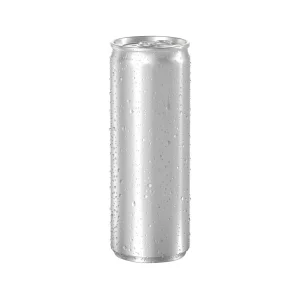
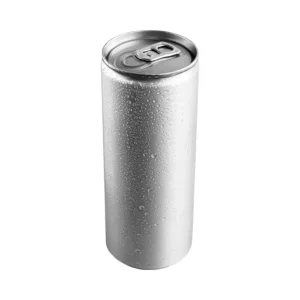
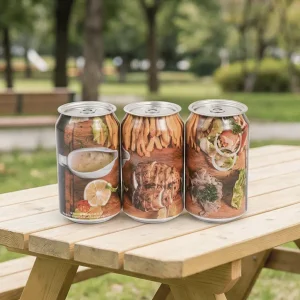
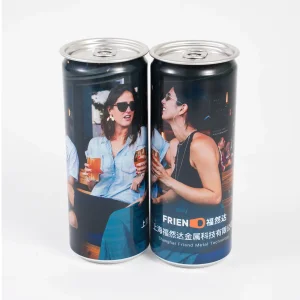
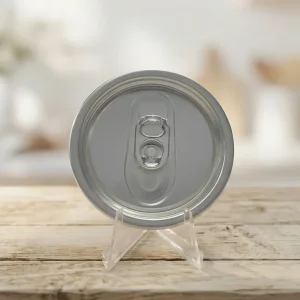
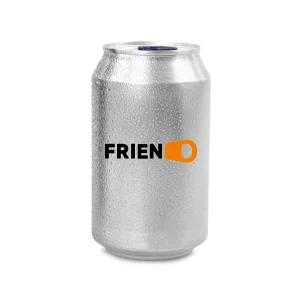
Explore our primary series of food-grade aluminum cans, sleek profiles, and high-performance easy-open ends engineered for automated high-speed canning lines.

Analyzing structural shifts, carbon neutral regulations, and material performance metrics redefining the global FMCG and industrial packaging markets.
The global industrial packaging landscape is undergoing a monumental paradigm shift away from single-use polymers toward infinitely recyclable metal substrates. Modern commercial brands across beverage, cosmetics, pharmaceuticals, and specialized chemical sectors are forced to re-evaluate their primary container strategies due to stringent environmental policies such as the European Union’s Packaging and Packaging Waste Regulation (PPWR) and Extended Producer Responsibility (EPR) mandates globally.
As a leading tier-1 global aluminum tin jars and easy-open lids manufacturer, our engineering framework integrates material efficiency, structural integrity, and circular economy principles. Aluminum packaging provides an absolute barrier against atmospheric light, oxygen ingress, moisture, and micro-contaminants. Unlike rigid plastics that degrade during mechanical recycling, aluminum maintains its structural metallurgical lattice perpetually without loss of mechanical property.
With Scope 3 carbon emissions coming under severe regulatory audit, aluminum's low transport weight significantly reduces logistics-related fuel burn. Our recycled aluminum coil integration (3104-H19 and 5182-H48 alloys) cuts life-cycle carbon footprints by up to 80% compared to virgin metal extraction.
Volatilization of active compounds, flavor scaling, and oxygen-induced degradation are completely arrested by aluminum tin jars and lids. Precision seaming geometries provide pressure resistance exceeding 6.2 bar, accommodating hot-fill, cold-fill, and nitrogen-dosed formulations seamlessly.
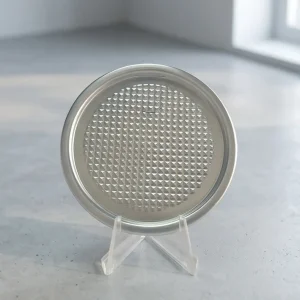
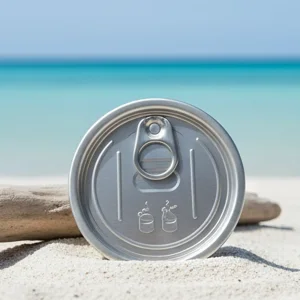
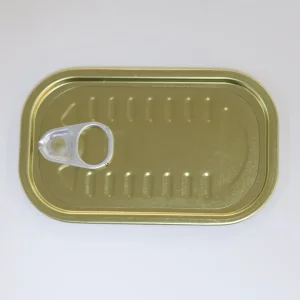
The evolution from traditional industrial closures to ergonomic Stay-On Tab (SOT), Ring Pull Tab (RPT), and Full-Aperture Easy-Open Ends (EOE) caters to on-the-go consumer demands while reducing rim injury metrics through engineered score-line residual depths.
Deep dive into high-speed Drawing and Wall Ironing (DWI), proprietary internal lacquer chemistry, and precision metal geometry.
Our manufacturing matrix utilizes advanced multi-stage cupping and high-speed Wall Ironing (DWI) technologies to produce ultra-lightweight yet robust aluminum bodies and easy-open closures. Material selection is tailored to the exact physical stress vectors required during filling, double-seaming, and thermal processing (retort/pasteurization).
| Component Type | Alloy Specification | Temper Grade | Tensile Strength (MPa) | Primary Application |
|---|---|---|---|---|
| Can Body Stock | AA 3104 | H19 | 280 - 320 | Deep drawing, DWI standard, sleek & slim beverage containers |
| Easy-Open Shell Stock | AA 5182 | H48 | 360 - 410 | High-buckle beverage lids, SOT, RPT & full-aperture ends |
| Pull Tab Stock | AA 5052 | H19 / H38 | 290 - 330 | Ergonomic pull tabs, color-anodized and laser-etched tabs |
| Lacquered Lid Foil | AA 8011 / 3003 | O / H14 | 140 - 180 | Powder tin lids, peel-off membrane seals, pharmaceutical closures |
The interface between the internal wall of the container and the packaged product is managed via state-of-the-art internal spray systems. As global regulatory bodies tighten rules around bisphenol compounds, our factory supplies advanced BPA-Non-Intent (BPA-NI), Acrylic, Modified Epoxy, and Vinyl Organosol coatings designed for severe product aggressiveness profiles.
Technical Innovation Note: Our dual-pass internal airless spray system guarantees complete film continuity with an enamel rater value below 0.5mA (measured via 1% NaCl electrical conductivity test), shielding acidic soft drinks, salted food products, and solvent-heavy cosmetics against metal ion leaching.
Key internal lining choices include:
Tailoring aluminum packaging parameters to the geographical, climate, and regulatory realities of global end-markets.
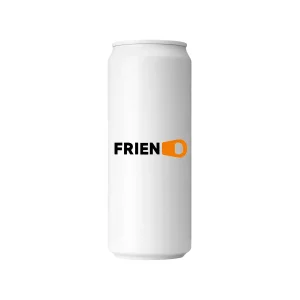
Primary Specs: 12oz (355ml) Standard Cans, 250ml Slim Formats, 202# SOT Lids.
North American markets demand high line speeds (exceeding 1,200 cpm) and custom tactile visual finishes (matte varnish, spot gloss, thermochromic inks). Our cans integrate seamlessly with standard American seamers (e.g., Angelus, Ferrum) with near-zero jam rates.
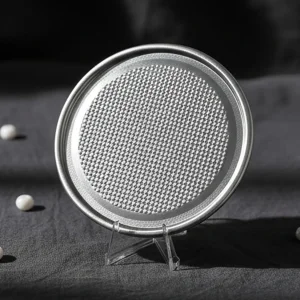
Primary Specs: 200# & 300# Anti-Static Aluminum Powder Lids, BPA-NI Can Liners.
Driven by EU Regulation 1935/2004 and REACH compliance, European buyers prioritize certified migration testing and lightweighted shells. Our low-profile 307# and 300# ends reduce tare weight for cross-border freight while ensuring zero micro-leakage.
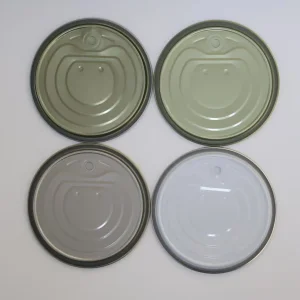
Primary Specs: 502# & 401# Easy-Open Lids for Powders, Square Tinplate Ends.
High ambient relative humidity in tropical regions requires enhanced anti-rust varnish on lid curls and airtight compound gaskets. Our powder ends support nitrogen flushing down to <0.5% residual oxygen, preserving infant formula and milk powder for 36+ months.
Primary Specs: Low-profile round aluminum jars, airtight tinplate covers.
Addressing rugged transportation routes and long warehousing cycles, our industrial metal containers feature reinforced bead walls and high-torque thread patterns to prevent cap backing-off under extreme vibration.
Strategic focus on AI-driven quality inspection, ultra-light gauge alloys, smart packaging, and bio-based protective coatings.
Deploying high-speed neural network optical camera systems operating at 3,000 components per minute. Automatic detection and rejection of micro-pinholes (<10 microns), curl deformities, and coating scratches before palletization.
Integration of high-resolution laser-etched matrix QR codes on the undersides of pull tabs and bottom domes. Enables end-to-end supply chain tracking, anti-counterfeiting verification, and direct digital consumer engagement.
Pioneering the transition from 0.22mm down to 0.19mm end stock thickness through modified score-line topography and higher manganese alloy tempering, yielding a further 12% weight reduction without compromising buckle pressure resistance.
Eliminating petrochemical resins entirely by commercializing plant-based monomer internal coatings that offer total chemical inertness, full biodegradability during thermal recycling, and zero carbon footprint penalty.
Guaranteeing seamlessly compliant entry into global markets through rigorous testing, audit documentation, and localized logistics support.
Our manufacturing sites operate strictly under ISO 9001:2015, FSSC 22000 (Food Safety System Certification), and GMP (Good Manufacturing Practice) standards. Every production lot is delivered with a comprehensive Certificate of Analysis (CoA).
All internal coatings comply with US FDA 21 CFR 175.300, EU Commission Regulation (EU) No 10/2011, and China GB 4806.10. Heavy metal tests verify zero lead, cadmium, mercury, or hexavalent chromium content.
Cans and lids undergo tropicalized export packaging: automated layer-packing on fumigated heat-treated wooden or plastic pallets, reinforced corner boards, desiccant packs, and full stretch-hood film wrapping for zero maritime transit corrosion.
Explore our full catalog of aluminum cans, powder lids, tinplate closures, and specialty format containers.

In-depth technical answers regarding metallurgy, seaming parameters, coating choices, minimum orders, and shipping safety.
