Industrial Engineering White Paper

High-Quality Global Leading Aluminum Foil Thickness Factory Supplier

Precision Gauge Metallurgy, Advanced Micrometer Tolerance Control & Comprehensive Supply Chain Solutions for Global Packaging Excellence

Featured High-Precision Products & Packaging Solutions

Directly sourced from our automated manufacturing lines. Engineered with strict adherence to ISO 9001, FDA 21 CFR 175.300, and European Union food contact standards.

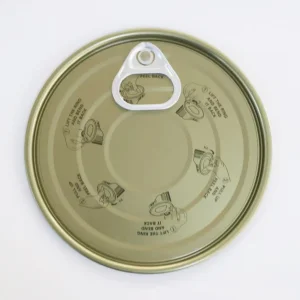
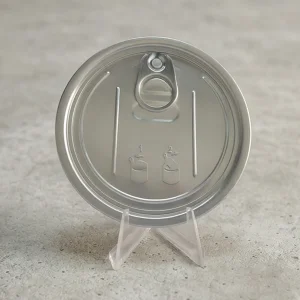
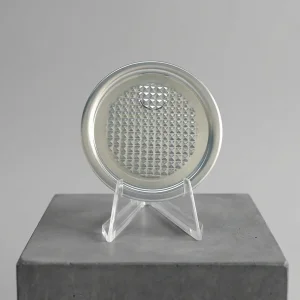
China 300# Aluminum Easy-Open Lids for Powders
China 300# Aluminum Easy-Open Lids for Powders - Fusion of Protection
View Specifications
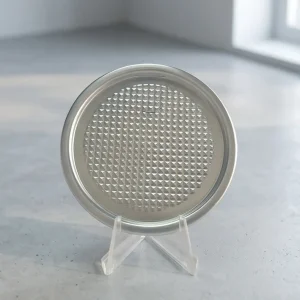
China Premium Easy-Open Aluminum Lids for Powders
China Premium Easy-Open Aluminum Lids for Powders - Sustainable Packaging
View Specifications
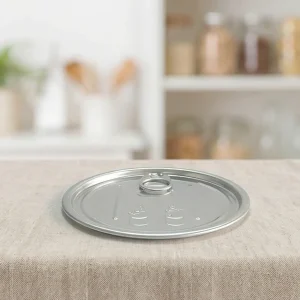
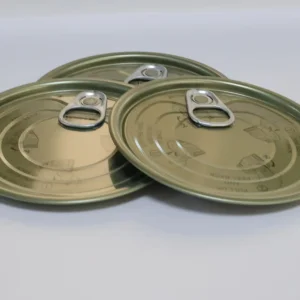
Wholesale Food-Grade 603# Tinplate Lids
Wholesale High-Performance Food-Grade 603# Tinplate Lids Supplier
View Specifications
Rust-Proof 401# Aluminum Lids
High-Quality Rust-Proof 401# Aluminum Lids for Coastal Storage
View Specifications
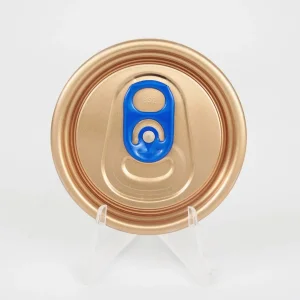
Superior 202# SOT Aluminum Easy-Open Lids
Wholesale Superior 202# SOT Aluminum Easy-Open Lids Service
View Specifications
Eco-Friendly Easy-Open Aluminum Lids
China Eco-Friendly Easy-Open Aluminum Lids for Powder Packaging
View Specifications
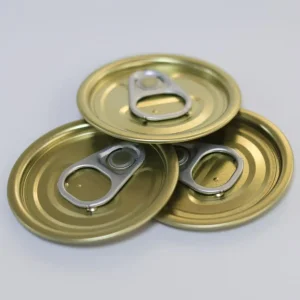
Food-Grade 315# Tinplate Lids Airtight Seal
Wholesale Premium-Grade Food-Grade 315# Tinplate Lids Airtight Seal
View Specifications
Low-Profile 307# Aluminum Easy-Open Lids
Wholesale Low-Profile 307# Aluminum Easy-Open Lids Space-Saving
View Specifications

The Science of Aluminum Foil Thickness: Precision Gauge Metallurgy

In modern industrial manufacturing and high-barrier metal packaging, the precision of aluminum foil thickness gauge engineering serves as the primary parameter determining barrier integrity, shelf-life longevity, structural buckle resistance, and material cost optimization. Aluminum foil spans a thickness range from ultra-thin converter foil (0.006 mm / 6 microns) up to rigid container and end-shell stock (0.280 mm / 280 microns). Achieving exact thickness consistency across multi-kilometer continuous coils requires state-of-the-art cold-rolling technology, real-time X-ray gauge sensors, and precise heat-treatment annealing protocols.

As a global leading factory supplier specializing in precision foil, easy-open ends, and beverage can stock, our facilities deploy Advanced Automatic Gauge Control (AGC) systems. These systems maintain micro-level thickness tolerances within ±1% of baseline specifications. This level of extreme consistency is critical for high-speed automated convertors, canning seamers, and pharmaceutical blister packing lines, where even a micro-meter variance can cause machine jamming, pinhole formation, seal ruptures, or double-seam leakage.

±1%
Micro Gauge Tolerance
0.006mm
Ultra-Thin Foil Gauge
100%
BPA-NI Food Compliant
40+
Export Destinations

The choice of alloy fundamentally governs how foil thickness translates into mechanical performance. For example, Alloy 8011 and 8079 are widely preferred for flexible barrier packaging, pharmaceutical foils, and infant formula powder lids due to their superior tensile strength and ductility. Conversely, Alloys 3104-H19 and 5182-H48 are utilized in deep-drawn can bodies and high-pressure beverage ends where high yield strength and buckle resistance at thin gauges are mandatory.

Technical Roadmap: Engineering Thin-Gauge Barrier Performance

High-Speed Cold Rolling & AGC

Utilizing non-contact isotope and X-ray thickness gauges connected to hydraulic gap control systems, our rolling mills continuously adjust roll pressure at speeds up to 1,500 m/min, eliminating longitudinal thickness variation across the entire coil length.

Zero-Pinhole Surface Integrity

At foil thicknesses below 0.025 mm (25 microns), pinholes become a primary quality concern. Our cleanroom rolling environments, double-filtration oil systems, and ultrasonic testing guarantee zero-pinhole performance required for absolute gas and moisture barriers.

Passivation & Polymer Lacquering

Surface pretreatment involves non-chromate chemical passivation paired with advanced organic lacquering (epoxy, organosol, or next-generation BPA-NI). This ensures maximum adhesion, chemical resistance against acidic contents, and smooth deep-drawing behavior.

Information Gain: Thickness vs. Oxygen Transmission Rate (OTR) Relationship

A critical engineering consideration in barrier packaging design is that aluminum foil at or above 0.025 mm (25 microns) thickness possesses a theoretical Oxygen Transmission Rate (OTR) and Water Vapor Transmission Rate (WVTR) of absolute zero. When specifying thinner foil gauges (e.g., 0.006 mm to 0.012 mm) for laminated structures, barrier performance becomes a factor of pinhole frequency per square meter, making cleanroom rolling and alloy purity the decisive quality differentiators.

Technical Specification & Foil Gauge Conversion Matrix

This reference matrix illustrates our standard factory manufacturing capability across primary packaging and industrial applications:

Alloy Grade Standard Temper Thickness Range (mm) Thickness (Microns / Gauge) Tensile Strength (MPa) Primary Industrial Application
8011 O, H14, H18, H22 0.014 – 0.080 14 µm – 80 µm 95 – 165 Powder Can Membrane, Lids, Milk Powder Seals, Pharma Blister
8079 O, H18 0.006 – 0.030 6 µm – 30 µm 90 – 140 Aseptic Liquid Packaging, Ultra-Thin Barrier Laminates
1235 O, H18 0.006 – 0.020 6 µm – 20 µm 85 – 125 Flexible Packaging, Cigarette Foil, Capacitor Foil
3104 H19 0.230 – 0.280 230 µm – 280 µm 270 – 320 DWI Two-Piece Beverage Can Bodies (Standard, Sleek, Slim)
5182 H48, H19 0.200 – 0.250 200 µm – 250 µm 310 – 370 Easy-Open Shell Stock, Beverage Lids (202 SOT / RPT, 200#)
5052 H32, H34, H19 0.210 – 0.380 210 µm – 380 µm 210 – 290 Easy-Open Ring Pull Tabs, Industrial Closures, Deep-Draw End Caps

China Supply Chain Resilience & Factory Efficiency Advantages

In an increasingly complex global trade environment, risk mitigation and cost predictability are top priorities for global procurement directors. As an integrated manufacturer headquartered in Shanghai, China, our business model leverages the world’s most complete and efficient aluminum processing ecosystem. From primary bauxite refining and ingot casting to high-speed foil rolling, lacquer compounding, high-precision stamping, and international port shipping, our entire production cycle operates within a tight geographic radius.

Vertical Raw Material Integration

By partnering directly with tier-one smelting plants and maintaining permanent rolling ingot reserves, our factory insulates international buyers against extreme spot market price spikes and material shortage delays.

High-Automation Stamping & Slitting

Our production floors feature high-speed Minster press lines and custom slitting machinery capable of producing millions of easy-open ends and precise coil cuts daily with automated vision-inspection systems detecting micro-defects in real-time.

Shanghai Logistics Hub Proximity

Located near Shanghai Port—the largest container port globally—we offer unmatched ocean freight connectivity, reduced inland transport costs, and expedited export customs processing for short vessel transit times.

Global Application Scenarios & Regional Engineering Adaptation

Packaging performance varies drastically depending on local climate conditions, transport friction, and regional consumer preferences. A foil thickness or end-shell specification that excels in a climate-controlled Western European supply chain may fail when subjected to high humidity, tropical sea transport, or high-altitude barometric drops. Our engineering teams customize product specifications for specific localized demands:

  • Tropical High-Humidity Preservation In Southeast Asia and Central America, high ambient temperature and moisture accelerate oxidation and lacquer softening. We apply double-pass organosol coatings and rust-proof aluminum alloys (e.g., 401# rust-proof powder lids) to prevent edge corrosion during transit and long shelf storage.
  • High-Altitude Pressure Equalization For products distributed across mountain regions (such as the Andean region or Rocky Mountain states), atmospheric pressure drops can cause standard easy-open foil membranes to dome or rupture. We calculate custom score-line depth and burst-strength parameters to prevent premature venting while keeping opening force consumer-friendly.
  • Thermal Retort & Aseptic Processing Ready-to-drink coffee, baby food, and clinical nutrition products undergo harsh autoclave retort sterilization (121°C for 30 minutes) or aseptic hot-fill. Our specialized 305# and 307# sterilisable lids incorporate high-temperature resistant polymers that maintain bond strength without delamination during thermal processing.

Regulatory Compliance, E-E-A-T Quality Assurance & Local Technical Support

To ensure global brand safety and hassle-free customs clearance across North America, Europe, the Middle East, and Asia-Pacific, every shipment leaves our facility accompanied by comprehensive technical and regulatory documentation:

Food Contact Certifications

Fully compliant with FDA 21 CFR 175.300, EU Regulation 1935/2004, Commission Regulation (EU) No 10/2011, and Chinese National Standard GB 4806.10. Detailed overall migration test reports (OMT) and heavy metal compliance certificates are provided per batch.

BPA-Non-Intent (BPA-NI) Lacquers

Meeting strict California Proposition 65 and European Union bisphenol restrictions, our internal lacquers utilize modern polyester, acrylic, or organosol chemistry, guaranteeing zero leaching of Bisphenol A into sensitive foods or drinks.

Seamer Matching & Field Engineering

Our application engineers provide line integration support. By analyzing your seaming machine model (e.g., Angelus, Ferrum, Consolidated), line speed, and chuck tooling, we supply exact end curl dimensions and countersink depths for optimal double-seam integrity.

Frequently Asked Questions: Technical Engineering & Global Sourcing

How does aluminum foil thickness impact barrier properties in infant formula powder packaging?
Infant formula powders are highly sensitive to moisture absorption and oxygen-induced fat oxidation. Aluminum foil membranes utilized in easy-open lids (e.g., 300#, 401#, 502#) typically employ foil gauges between 0.030 mm and 0.060 mm, laminated with PE or PP films. At these thicknesses, the aluminum layer provides a 100% absolute barrier against light, oxygen, and ambient humidity, ensuring a multi-year shelf life under varying storage conditions.
What is the difference between 3104-H19 and 5182-H48 alloys in beverage can production?
Alloy 3104-H19 is a manganese-bearing aluminum alloy optimized for Draw and Wall Ironing (DWI) processing. It exhibits superior formability and directional tensile strength, allowing can bodies (such as standard 330ml, 355ml, or 473ml) to be drawn into ultra-thin sidewalls (down to 0.09 mm) without tear-offs. Alloy 5182-H48 is a high-magnesium alloy engineered specifically for end shells (like 202 SOT / RPT). It delivers elevated buckle pressure resistance (withstanding carbonation pressures up to 6.2 bar) and crack-free rivet forming during high-speed tab attachment.
How do you guarantee zero-pinhole quality in foil gauges below 0.015 mm?
Pinhole prevention relies on extreme melt purity during casting, multi-stage ceramic liquid metal filtration, double-rolling techniques, and ultra-clean rolling oil filtration. During continuous foil rolling, cleanroom positive-pressure ventilation prevents airborne particulate contamination. Every master coil is sampled and subjected to pinhole light-box inspection according to EN 546-4 standards to ensure pinhole counts remain below mandatory threshold limits.
What minimum order quantities (MOQ) and lead times apply for custom printed aluminum packaging?
For standard unprinted aluminum foil coils, easy-open ends (200# to 502#), and plain unprinted beverage cans, trial orders start from one standard 20ft or 40ft container lot, with dispatch within 15 to 20 working days. For custom litho-printed cans or printed lids requiring original pre-press plate setup and color proofing, the standard MOQ starts at 100,000 units per artwork SKU, with initial production lead times ranging from 25 to 30 days.
How does your factory protect aluminum products from maritime corrosion during transit?
Ocean freight exposes cargo to severe humidity fluctuations and salt-laden air. All coils are wrapped in VCI (Vapor Corrosion Inhibitor) anti-rust films, double-wrapped in heavy-duty kraft paper, and sealed with plastic end covers on fumigated wood pallets. Easy-open ends and cans are packed inside hermetically sealed polyethylene sleeves with active desiccant pouches inside fiber drums or corrugated shipping cartons, ensuring zero corrosion or oxidation upon arrival at overseas destination ports.

Comprehensive Packaging Inventory & Raw Material Coils

Explore our expanded catalog of high-grade aluminum cans, powder closures, tinplate lids, and premium coil stock.

High-Grade 473ml Aluminum Cans
High-Quality High-Grade 473ml Aluminum Cans Eco-Friendly Choice
View Specifications
Wholesale Premium 401# Easy-Open Aluminum Lids
Wholesale Premium 401# Easy-Open Aluminum Lids Factory Sealed
View Specifications
China Food-Grade Tinplate Lids Suppliers
High-Quality China Food-Grade Tinplate Lids Suppliers Airtight Packaging
View Specifications
Sustainable Aluminum Easy-Open Lids for Powder
Wholesale Sustainable Aluminum Easy-Open Lids for Powder Products
View Specifications
Odor-Proof 206# Aluminum Easy-Open Lids
China Odor-Proof 206# Aluminum Easy-Open Lids Aroma Preservation
View Specifications
Food-Grade 200# Tinplate Lids
High-Quality Food-Grade 200# Tinplate Lids Airtight Safe Packaging
View Specifications
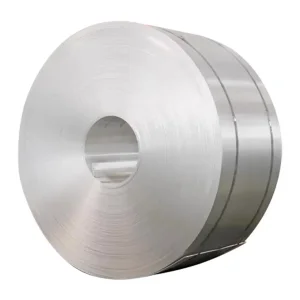
3104# Aluminum Coils Wholesale
Wholesale High-Quality 3104# Aluminum Coils Advanced Technology
View Specifications
China High-Quality 3104# Aluminum Coils
China High-Quality 3104# Aluminum Coils Premium Factory Applications
View Specifications