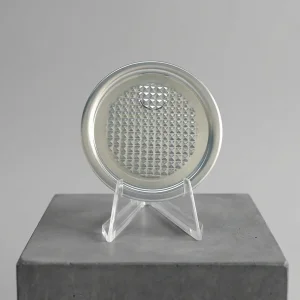
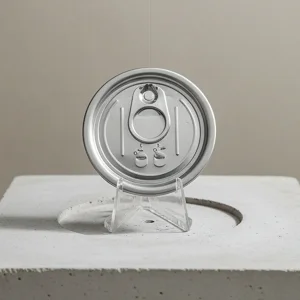
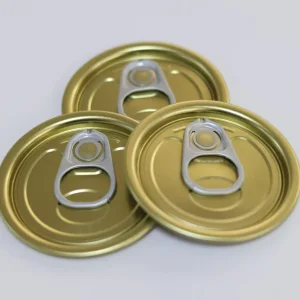
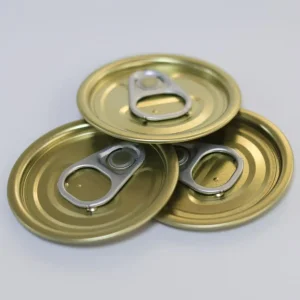
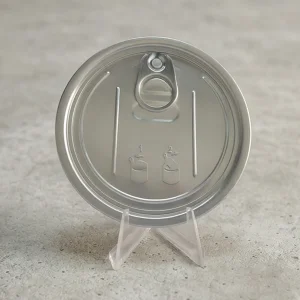
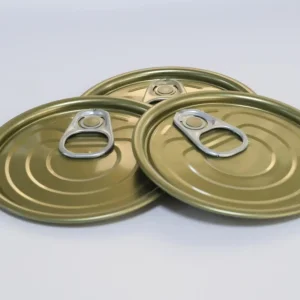
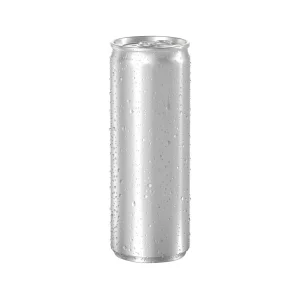
Explore our primary line of high-barrier aluminum easy-open ends, anti-static powder caps, beverage packaging, and tinplate lids engineered for high-speed automated filling lines.
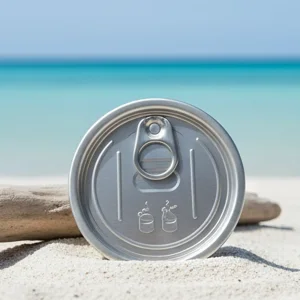
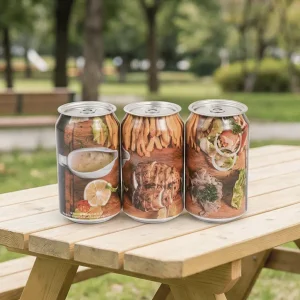
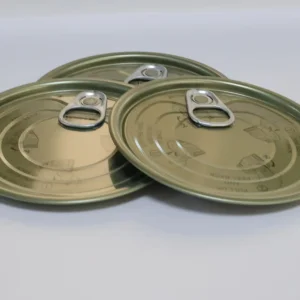
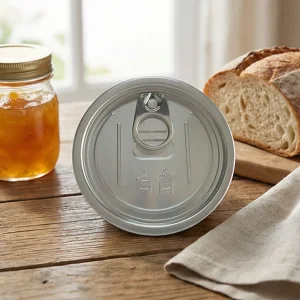
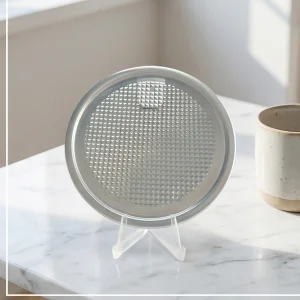
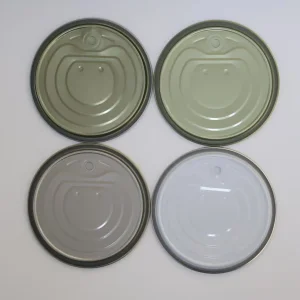
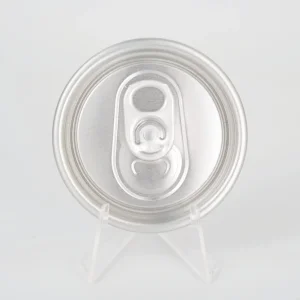
The global rigid metal packaging sector is experiencing a structural paradigm shift. Driven by aggressive environmental regulations targeting single-use plastics, expanding global supply chains for specialized nutritional powders, and the explosion of Ready-To-Drink (RTD) craft beverages, high-performance aluminium seal caps, easy-open ends (EOE), and tinplate closures have transitioned from basic operational commodities to highly engineered, critical packaging components.
Modern fast-moving consumer goods (FMCG) brand owners, pharmaceutical packagers, and chemical processors demand closure solutions that guarantee absolute Hermetic sealing, flawless double-seam integrity, extended shelf-life barrier protection, and precise score-line opening characteristics. A failure in seal integrity compromises chemical purity, causes product oxidation, invites microbial contamination, and leads to costly brand degradation and liability.
As beverage filling operations scale up to 1,500 units per minute (CPM) and pharmaceutical filling operations mandate Class 100,000 cleanroom-level particle controls, procurement officers can no longer rely on localized, legacy suppliers. Sourcing strategies now prioritize high-volume manufacturing hubs capable of supplying food-grade certified, defect-free closures backed by rigorous metallurgical tracing and advanced automated quality inspection systems.
China has established itself as the undisputed global epicentre for precision metal packaging manufacturing. The competitive advantage offered by premier Chinese aluminum seal cap factories extends far beyond raw unit-cost economies; it is rooted in an integrated industrial ecosystem combining upstream metallurgical refining, ultra-high-speed multi-die stamping tech, and end-to-end quality assurance.
Direct integration with top-tier aluminum rolling mills ensures exact chemical composition control for 3104, 5182, and 8011 alloys, minimizing mechanical variation in shell hardness and tensile strength.
State-of-the-art Minster and Stolle multi-lane high-speed presses operate at up to 3,000 ends per minute, maintaining score-line depth variations under 2 microns across multi-million piece production runs.
100% online vision inspection systems analyze every single lid for pinholes, score defects, curl deformation, compound voiding, and surface contamination prior to automated packing.
To quantify the clear economic rationale for international buyers, the table below breaks down the structural cost metrics associated with sourcing high-volume aluminum easy-open ends and specialized packaging caps:
| Evaluation Parameter | Chinese Leading Manufacturer | Western European Supplier | North American Supplier |
|---|---|---|---|
| Tooling & Mold Lead Time | 15 – 25 Days | 60 – 90 Days | 45 – 75 Days |
| Unit Cost Index (Normalized) | 100 (Base Benchmark) | 145 – 170 | 140 – 165 |
| Coating System Versatility | BPA-NI, Epoxy, Organosol, Anti-Static | BPA-NI dominant, higher cost for custom | Standard Epoxy / BPA-NI premium |
| Minimum Order Flexibility (MOQ) | 100,000 – 200,000 pcs (Stock size) | 1,000,000+ pcs | 500,000+ pcs |
| Production Capacity & Expansion | Ultra-scalable, rapid line addition | Constrained by high labor costs | Moderate scalability |
Achieving a reliable, air-tight hermetic seal demands precise mechanical engineering. Sourcing engineers must evaluate three core technical pillars when specifying aluminum seal caps and easy-open lids: Metallurgical Selection, Coating/Lacquer Chemistry, and Dimensional Seaming Geometry.
Different packaging applications require tailored aluminum alloys to balance ductility, buckle resistance, and score-line tearing ease:
The internal lining of an aluminum seal cap is the primary defensive barrier separating the metallic substrate from the product payload. Modern global compliance standards dictate specialized lacquer formulations:
| Coating / Lacquer Type | Film Thickness (GSM) | Primary Industrial Application | Key Performance Attribute |
|---|---|---|---|
| BPA-Non-Intent (BPA-NI) Acrylic | 6 – 10 g/m² | Craft Beer, Canned Water, Soft Drinks | Complies with EU 1935/2004 & FDA 21 CFR; zero bisphenol leaching. |
| Organosol / Retort-Grade Vinyl | 12 – 18 g/m² | Canned Meats, Pet Food, Soups | Withstands high-temp steam sterilization (121°C for 60 mins) without blush. |
| Anti-Static Food-Grade Coating | 4 – 8 g/m² | Electronic Powders, High-Grade Additives | Prevents fine particulate adhesion to score line during automated filling. |
| Water-Based Waterborne Sealant | 15 – 25 mg/end | Perimeter Gasket for Glass/Metal Seams | Ensures zero micro-leakage under severe thermal cycling conditions. |
Standardization is critical for double-seamer machine tooling compatibility. Key global closure standard diameters include:
200# (50mm), 202# (52mm), 206# (56mm), 209# (63mm), 211# (65mm), 300# (73mm), 305# (78mm), 307# (83mm), 401# (99mm), and 502# (127mm).
The functional requirements for aluminium seal caps vary substantially across regional markets and product categories. Below is an in-depth breakdown of specialized industrial scenarios where advanced closures are deployed.
In high-tech manufacturing, electronic-grade chemical powders and advanced battery precursor materials are highly sensitive to moisture absorption and electrostatic discharge. Standard packaging ends can attract fine chemical dust during filling, leading to compromised seals.
The Solution: Deploying 300# Anti-Static Aluminum Easy-Open Lids equipped with conductive surface treatments. These caps discharge static build-up, ensuring the score line remains completely free of dust particles during high-speed vacuum filling, guaranteeing a 100% airtight hermetic seal.
Infant milk powders and medical nutritional supplements demand zero oxygen ingress to prevent lipid oxidation and preserve vitamins over a 24-to-36-month shelf life. Packaging must also offer tamper-evidence and safe, cut-free opening for end consumers.
The Solution: Utilizing 401# and 502# Peel-Off Foil Membrane Lids (POEF) featuring an aluminum ring paired with a heat-sealed aluminum foil center tab. This setup allows smooth, safe pull-opening with zero sharp edges while maintaining an internal oxygen level below 0.5% after nitrogen flushing.
Craft beers and carbonated beverages generate high internal pressures, particularly during pasteurization cycles reaching 60–65°C. Furthermore, nitrogen-infused coffee and cocktails require specialized internal pressure tolerance.
The Solution: Premium 202# SOT (Stay-On-Tab) and RPT (Ring-Pull-Tab) ends manufactured from 5182-H48 alloy with reinforced countersink geometry. Engineered to endure internal burst pressures up to 90 PSI (6.2 bar), protecting canned beverages during transcontinental shipping and extreme temperature fluctuations.
Wet pet foods, canned ready-meals, and seafood undergo aggressive retort processing inside pressure vessels. Standard internal coatings degrade under such conditions, leading to internal corrosion (black spots) and coating delamination.
The Solution: 307# and 315# Heavy-Duty Retort Tinplate / Aluminum Lids lined with organosol or modified polyester coatings. Formulated to withstand 121°C retort thermal stress for up to 90 minutes without blistering or loss of adhesion.
For strategic procurement directors and supply chain executives, sourcing aluminium seal caps involves evaluating far more than the initial FOB price quote. Unplanned downtime caused by defective end seams can cost filling plants upwards of $10,000 per hour. A robust Total Cost of Ownership (TCO) evaluation framework must be applied.
Ensure the supplier provides precise chuck and roll profiles (e.g., Ferrum, Angelus, Continental Seamer setups). Request pre-shipment dimensional reports detailing curl height, thickness, radius, and countersink depth.
Verify that the factory maintains active certifications: ISO 22000 / FSSC 22000 for food safety, ISO 9001 for quality systems, and cleanroom packaging compliance for sensitive lines.
Aluminum ends are vulnerable to edge deformation during transit. Ensure caps are packed in heavy-duty paper sleeves, sealed in moisture-barrier bags, and secured on rigid export pallets with plastic edge protectors and shrink-hood wrapping.
The global metal packaging sector is undergoing continuous technical evolution. Industry leaders are focusing R&D on three key technological vector points over the next decade:
Driven by decarbonization initiatives, manufacturers are reducing aluminum shell metal thickness from traditional 0.22mm down to 0.20mm and 0.18mm without sacrificing structural buckle strength. Advanced finite element analysis (FEA) optimizes the geometric ridge profile of the lid, allowing material savings of up to 12% per unit, significantly reducing Scope 3 supply chain carbon emissions.
As regulatory authorities in Europe (ECHA) and North America (FDA) enact strict bans on Bisphenol-A (BPA) and per- and polyfluoroalkyl substances (PFAS), closure coating technology is shifting entirely toward next-generation acrylic and polyester (PET) dispersants that provide identical chemical resistance without environmental persistence.
Laser-etched matrix QR codes applied directly underneath or on top of the pull tab enable direct consumer engagement, anti-counterfeiting verification, and supply chain tracking for high-value beverages and nutritional products.
Detailed responses to critical engineering, compliance, and commercial questions asked by international buyers.
Explore additional specialized packaging solutions including freeze-resistant lids, space-saving profiles, tinplate caps, and slim aluminum beverage bodies.